Step into the world of minimalist kitchen design, where less truly becomes more and every detail serves a purpose with style! These 29 stunning ideas prove that simplicity doesn’t mean boring—it means beautifully curated spaces that feel calm, spacious, and incredibly sophisticated. Whether you’re drawn to the drama of matte black, the warmth of natural wood, or the serene glow of an all-white palette, there’s a minimalist approach that will make your heart skip a beat. Get ready to be inspired by sleek lines, smart layouts, and thoughtful touches that transform everyday kitchens into zen-like retreats you’ll never want to leave. From floating shelves to handleless cabinets, these designs will show you just how exciting simplicity can be—and you’re about to fall head over heels for clean, clutter-free kitchen living!
1. Monochrome Unified Kitchen Flow
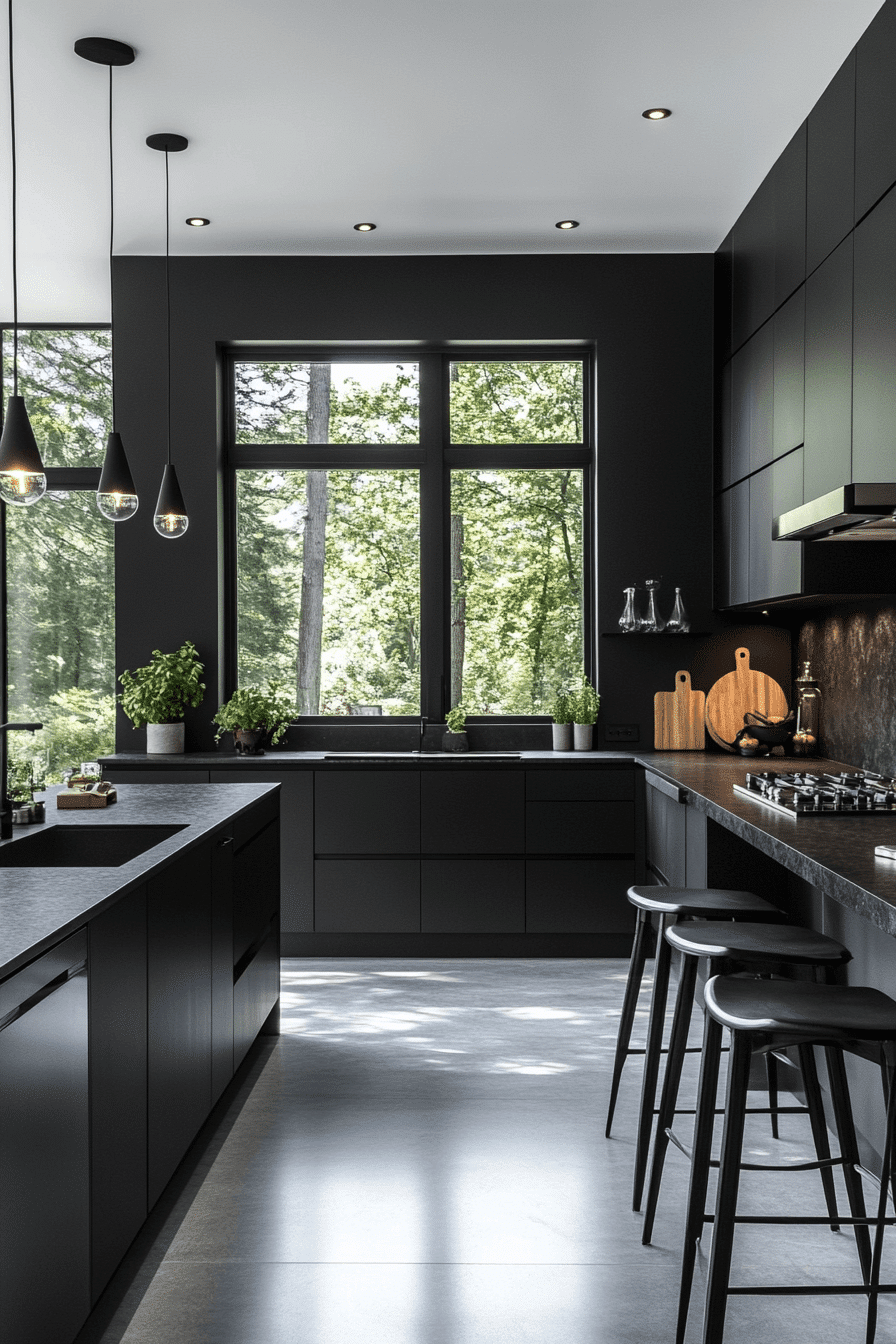
A single-tone color scheme can shape a minimalist kitchen into a calm and unified environment where every surface feels intentional and visually connected. Whether the palette leans toward deep charcoal, soft white, or gentle gray, the consistency allows textures and finishes to stand out without distraction. This approach works beautifully in both small and large layouts because it enhances flow and eliminates visual breaks. Clean countertops and streamlined cabinetry keep the focus on form rather than excess detail. The result is a space that feels peaceful, modern, and effortlessly refined. Discover how a monochrome minimalist kitchen can completely transform your space.
2. Matte Black Modern Depth
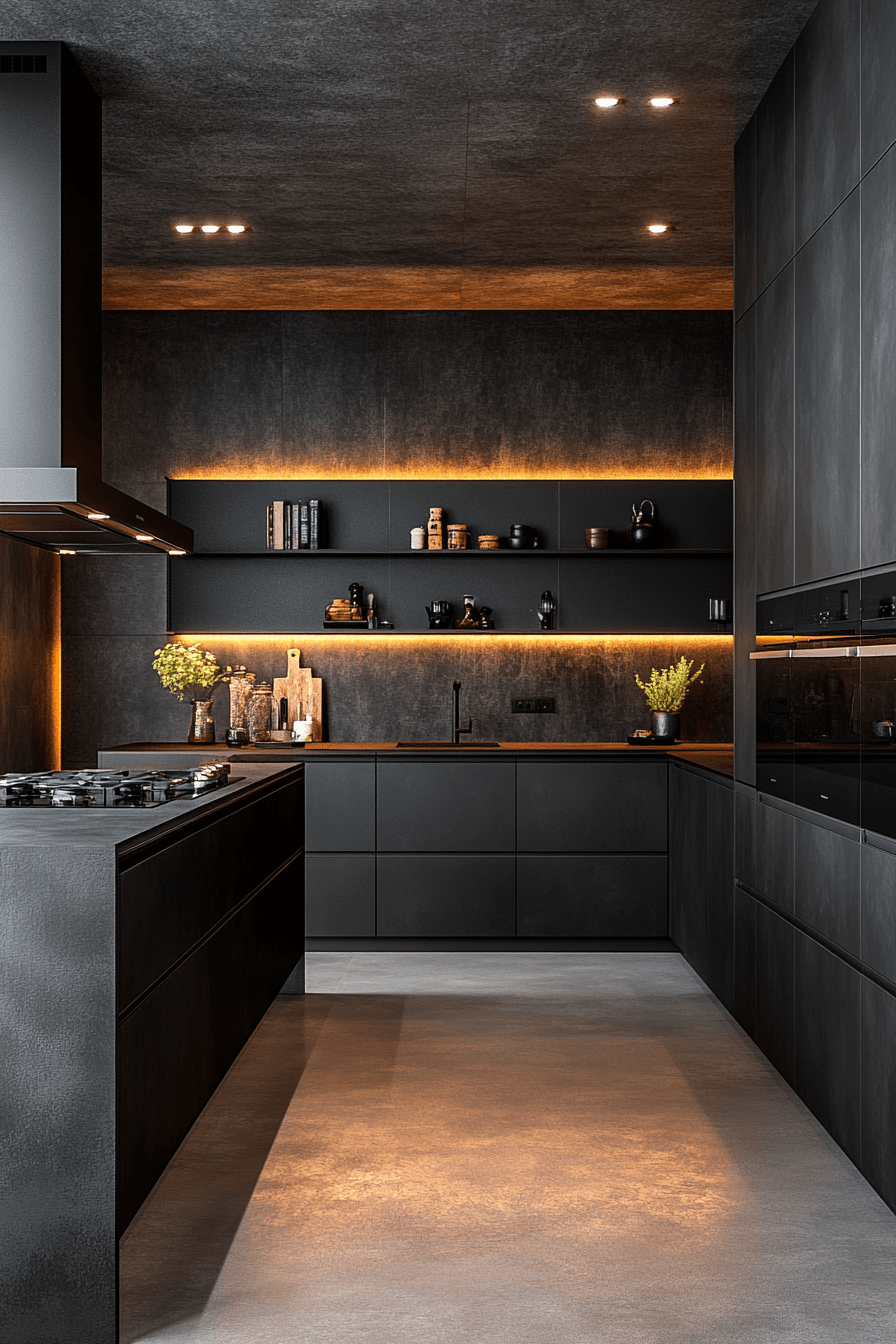
Matte black surfaces introduce depth and quiet drama into a minimalist kitchen while maintaining a smooth and understated appearance that never feels overwhelming. The non-reflective finish softens the boldness of black, allowing the space to feel both intimate and sophisticated. Paired with sleek cabinetry and minimal hardware, the design highlights simplicity while still making a strong visual impact. Thoughtful lighting enhances the texture and dimension of each surface. This style creates a perfect balance between bold design and everyday livability. Explore how matte black can elevate your minimalist kitchen with modern elegance.
3. Bright White Open Atmosphere
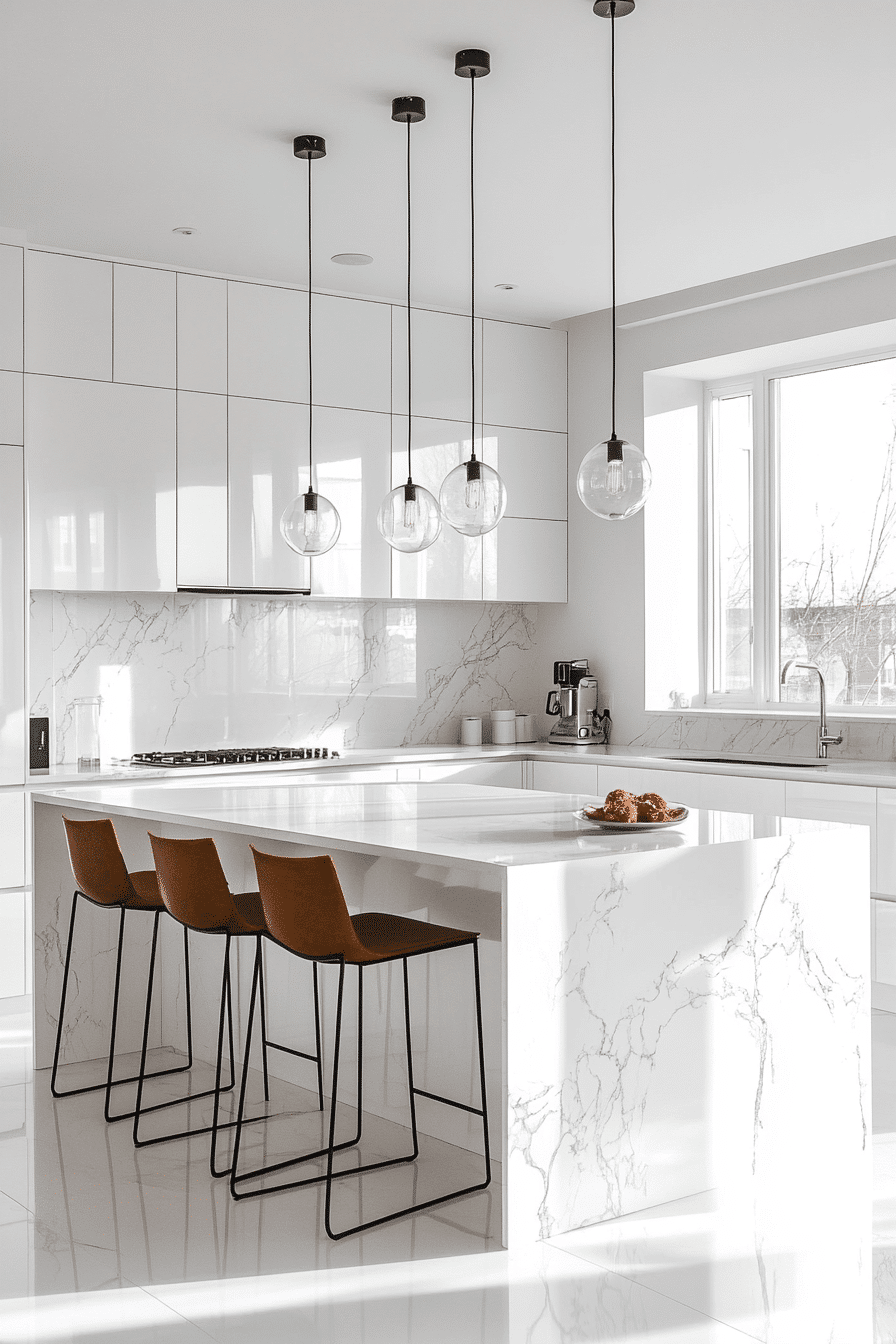
A bright white palette brings a sense of openness and clarity to a minimalist kitchen, allowing natural light to fill the space and enhance its airy feel. Surfaces reflect light effortlessly, making even compact kitchens appear larger and more inviting. Minimal detailing and seamless cabinetry maintain a clean and uninterrupted look throughout the room. Subtle variations in texture, such as stone or matte finishes, add depth without disrupting the design. The overall effect feels timeless, fresh, and calming. See how an all-white minimalist kitchen can redefine brightness in your home.
4. Natural Wood Balanced Warmth
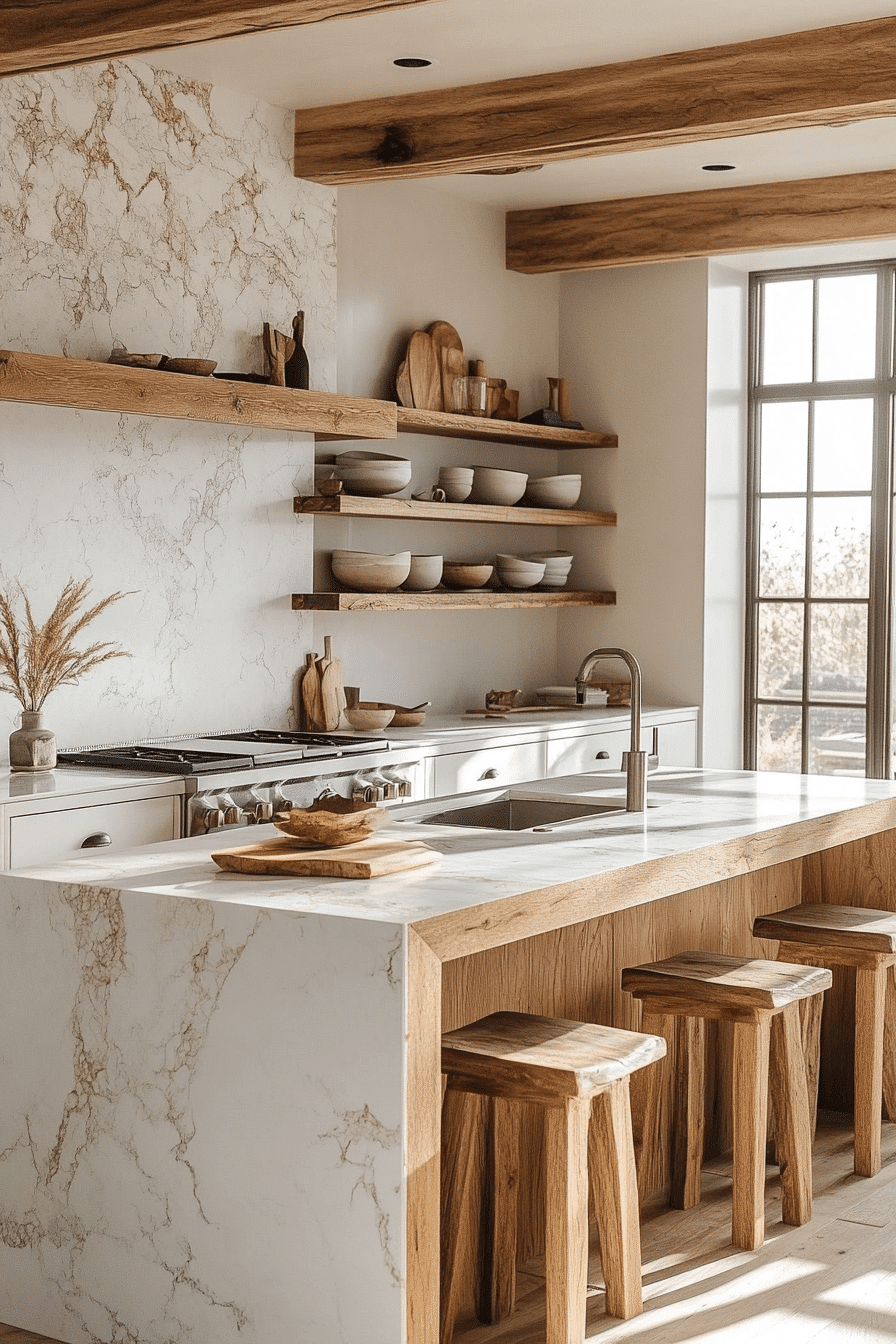
Natural wood elements introduce warmth into a minimalist kitchen while preserving its clean and structured aesthetic through balanced contrast. Light and medium wood tones soften neutral palettes and create a more welcoming environment. Features such as open shelving, flat cabinetry, or subtle accents add both function and visual interest. This combination allows the kitchen to feel grounded and comfortable without losing its modern edge. Organic textures bring a sense of calm that enhances everyday use. Discover how wood accents can warm up your minimalist kitchen beautifully.
5. Taupe Gray Refined Harmony
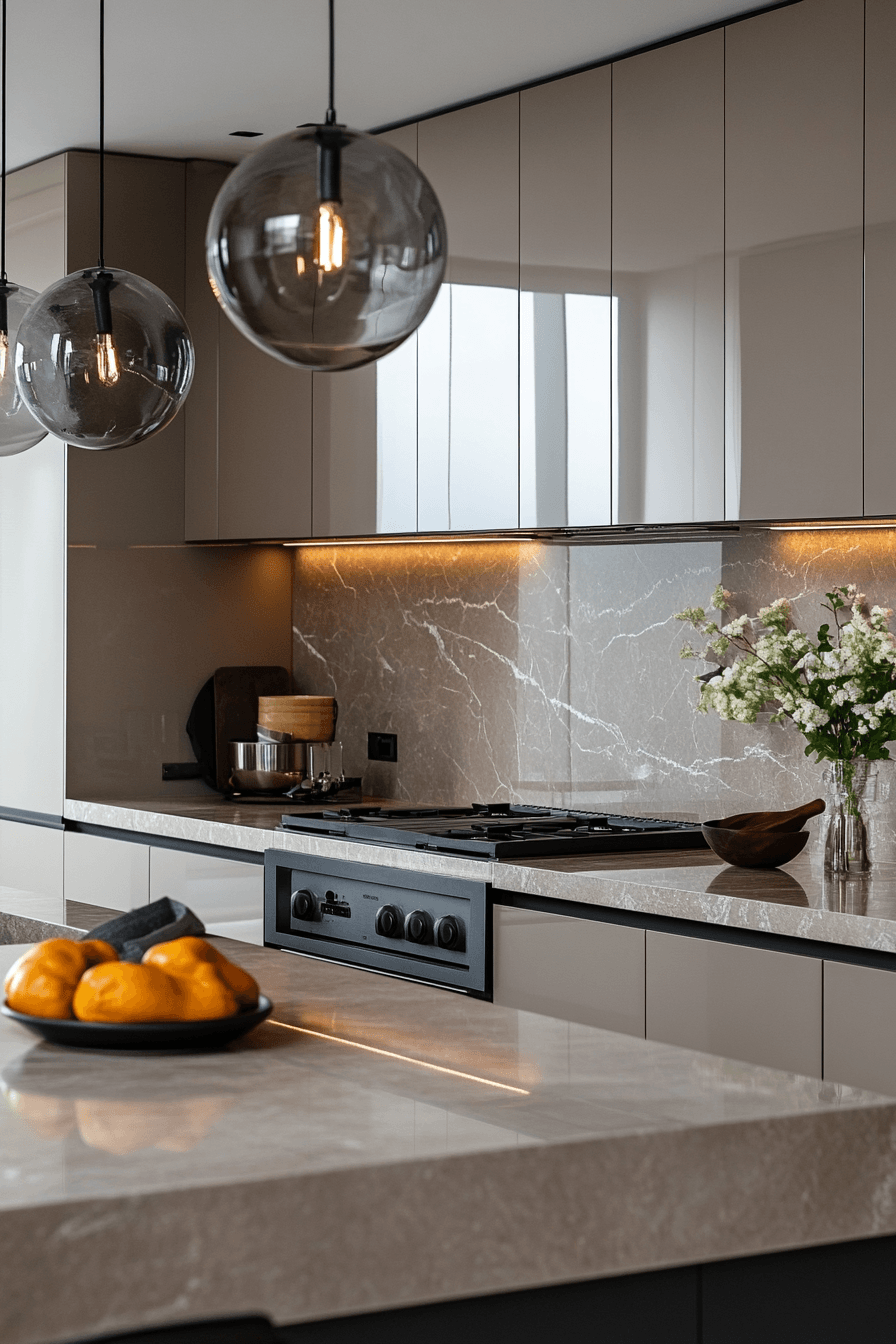
A blend of taupe and gray tones creates a minimalist kitchen that feels layered and sophisticated without relying on stark contrasts or bold colors. These soft neutrals provide depth while maintaining a relaxed and cohesive atmosphere throughout the space. When paired with sleek finishes and clean lines, the palette enhances the overall sense of balance and simplicity. The tones adapt easily to different lighting conditions, keeping the design consistent throughout the day. This combination offers a refined and modern aesthetic that feels both practical and elegant. Explore more taupe and gray minimalist kitchen inspiration.
6. Floating Shelf Airy Display
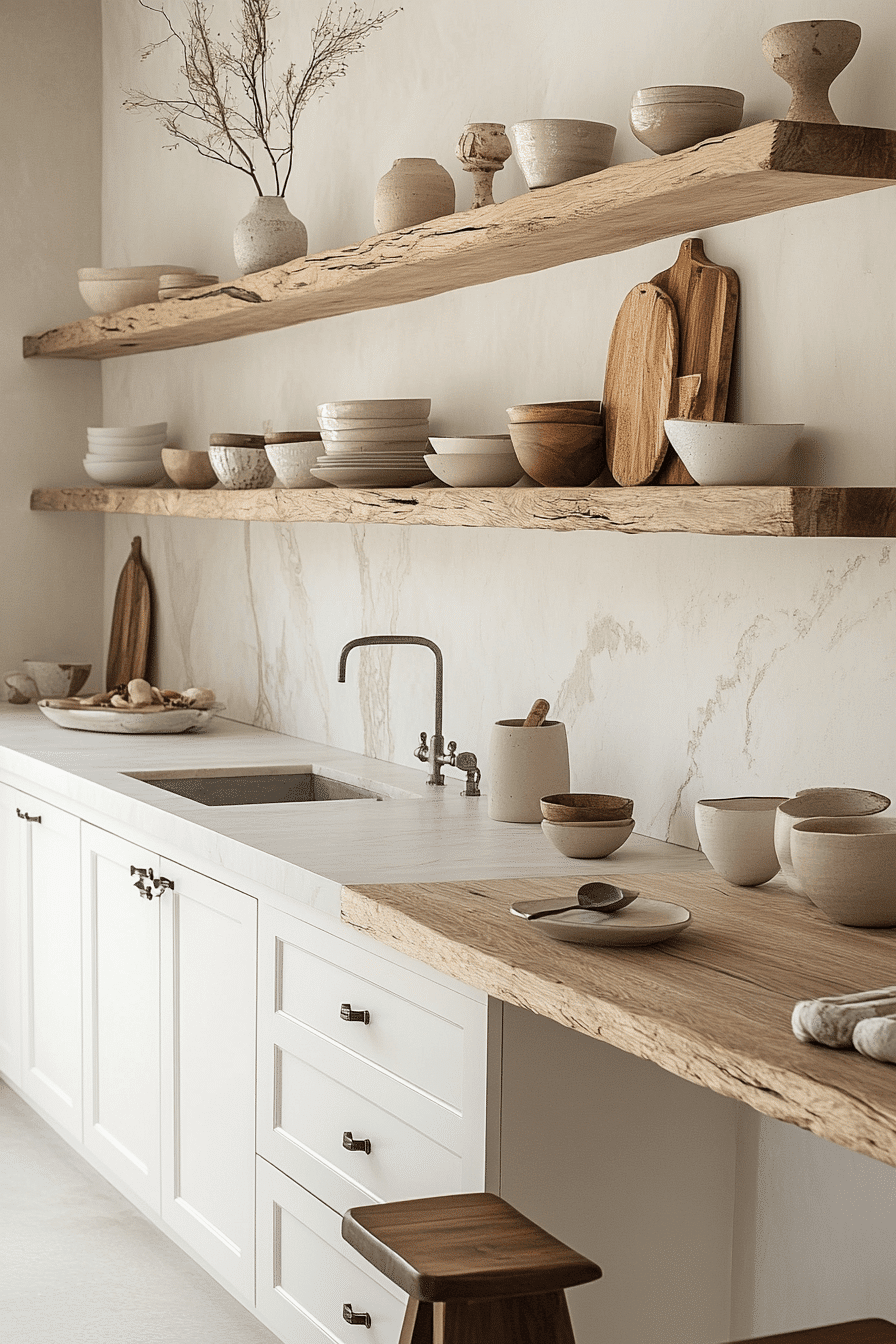
Floating shelving can redefine a minimalist kitchen by creating an open and breathable layout that reduces visual weight while still offering practical storage. By removing upper cabinetry, the design feels lighter and more spacious. Carefully selected items such as ceramics or glassware can be displayed in an organized and intentional way. Clean lines ensure the shelves remain subtle and functional without becoming cluttered. This approach balances style and usability while maintaining simplicity. Find creative ways to use floating shelves in your minimalist kitchen.
7. Handleless Seamless Cabinet Design
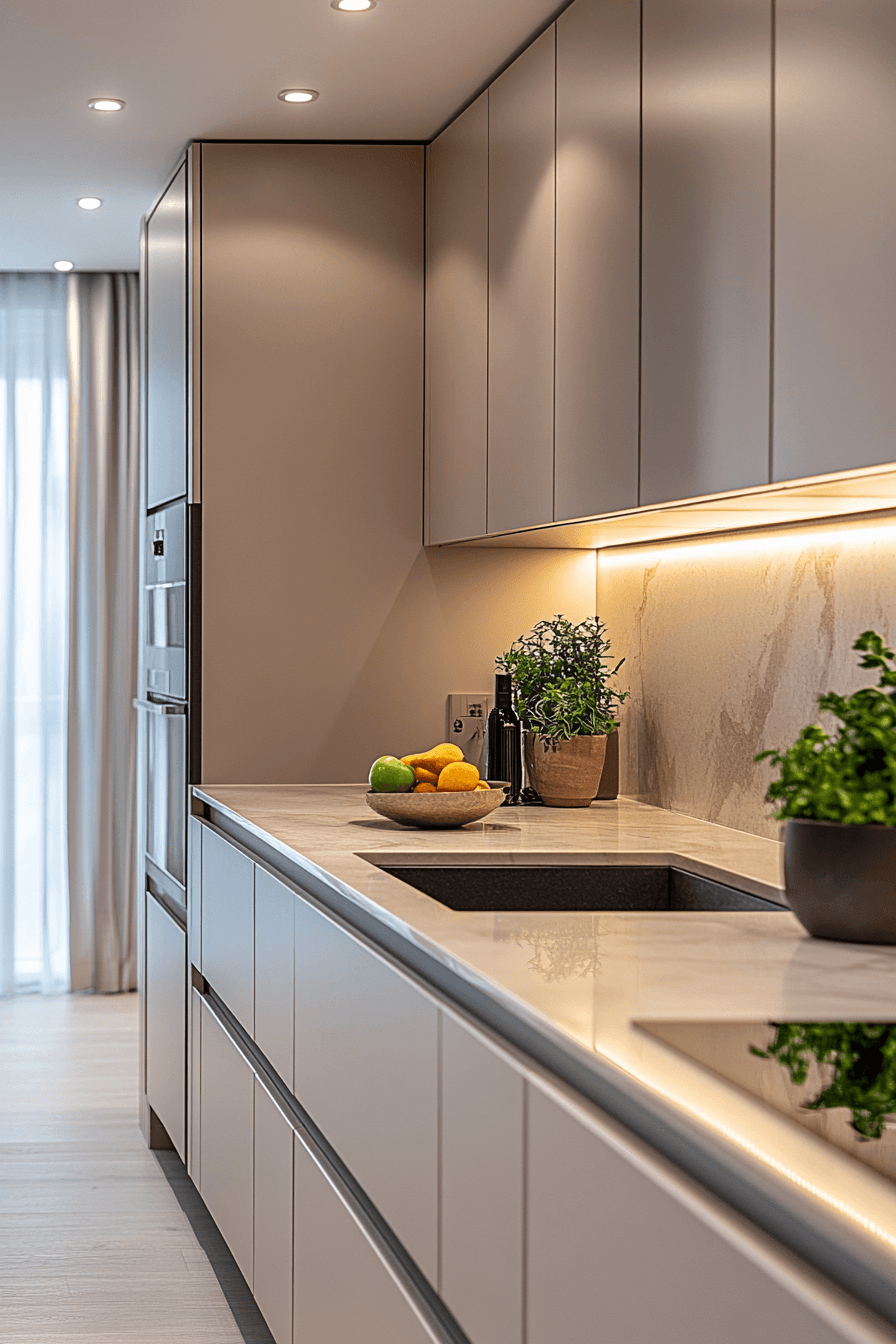
Cabinetry without handles creates a sleek and continuous surface in a minimalist kitchen, allowing the design to feel seamless and uninterrupted from every angle. This choice enhances both aesthetics and functionality by removing visual clutter and improving usability. Push-to-open systems add a modern touch while keeping the look clean and refined. The absence of hardware allows materials and finishes to stand out more clearly. Every detail contributes to a polished and cohesive environment. Discover how handleless cabinetry can simplify your minimalist kitchen design.
8. Soft Beige Inviting Interior
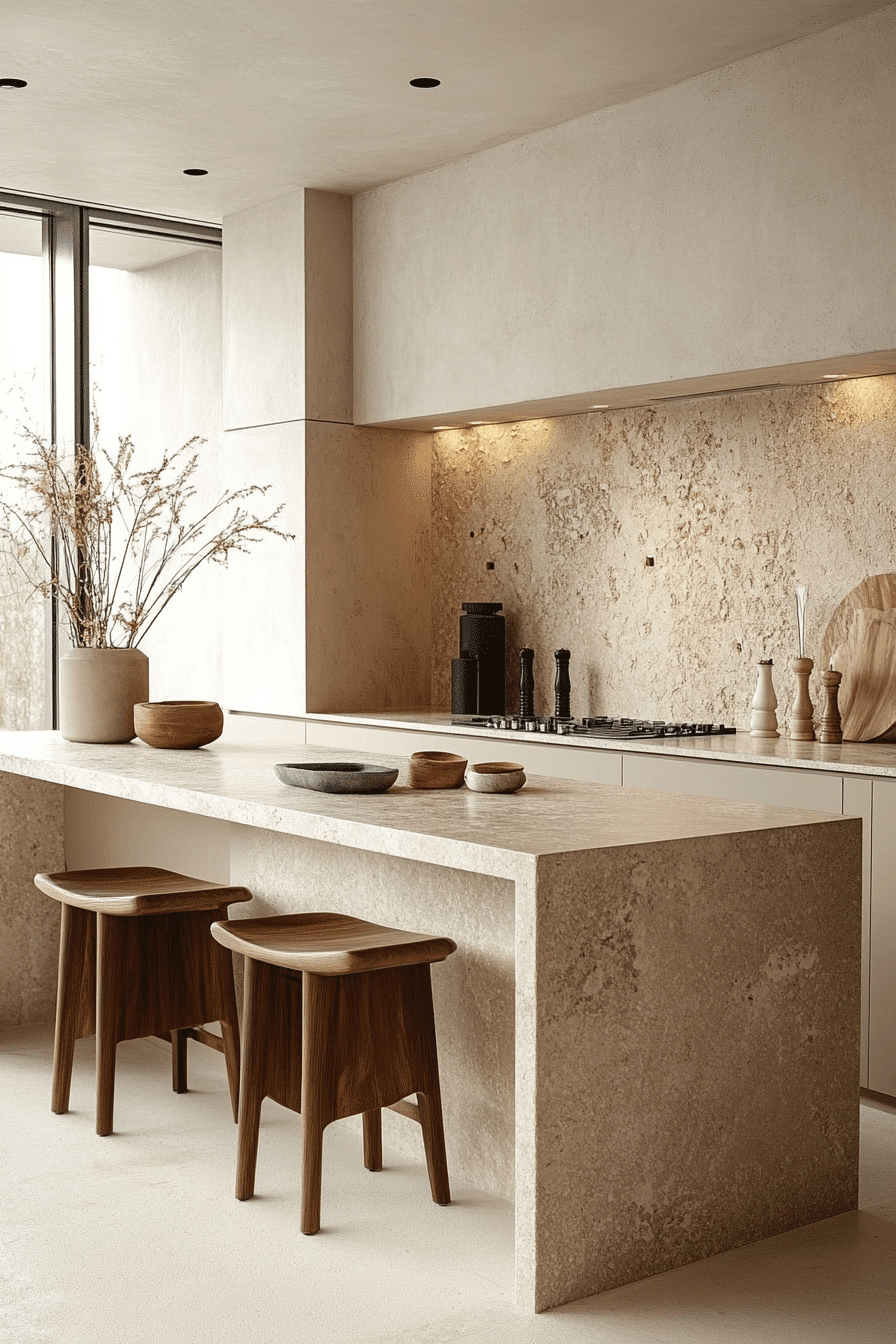
Soft beige tones can transform a minimalist kitchen into a warm and inviting space while still maintaining a clean and uncluttered look that aligns with minimalist principles. This neutral palette adds comfort without overpowering the design. Beige pairs beautifully with materials such as stone, wood, or matte metals to create subtle layers of texture. The overall atmosphere feels calm, balanced, and welcoming. This style is perfect for those who want a softer interpretation of minimalism. Explore how beige tones can elevate your minimalist kitchen.
9. Matte Texture Calm Finish
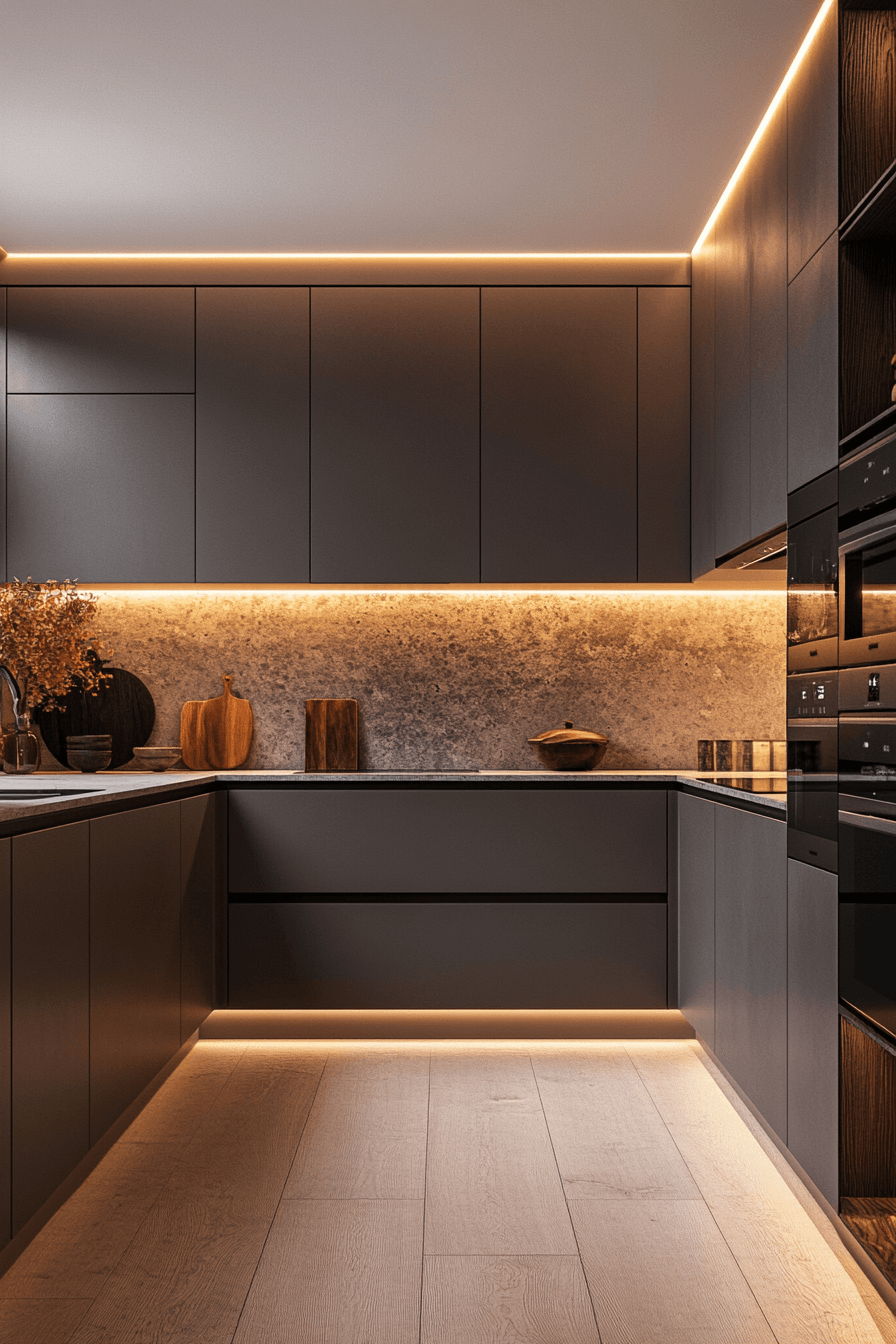
Matte finishes bring a sense of calm and refinement into a minimalist kitchen by reducing glare and emphasizing texture over shine. Cabinetry, countertops, and backsplashes with matte surfaces feel smooth and understated while still looking modern. These finishes are also practical, as they tend to resist fingerprints and maintain a clean appearance. The softness of matte textures enhances the overall serenity of the space. Combined with clean lines, the result feels both elegant and functional. Discover how matte finishes can enhance your minimalist kitchen.
10. Dual Tone Balanced Contrast
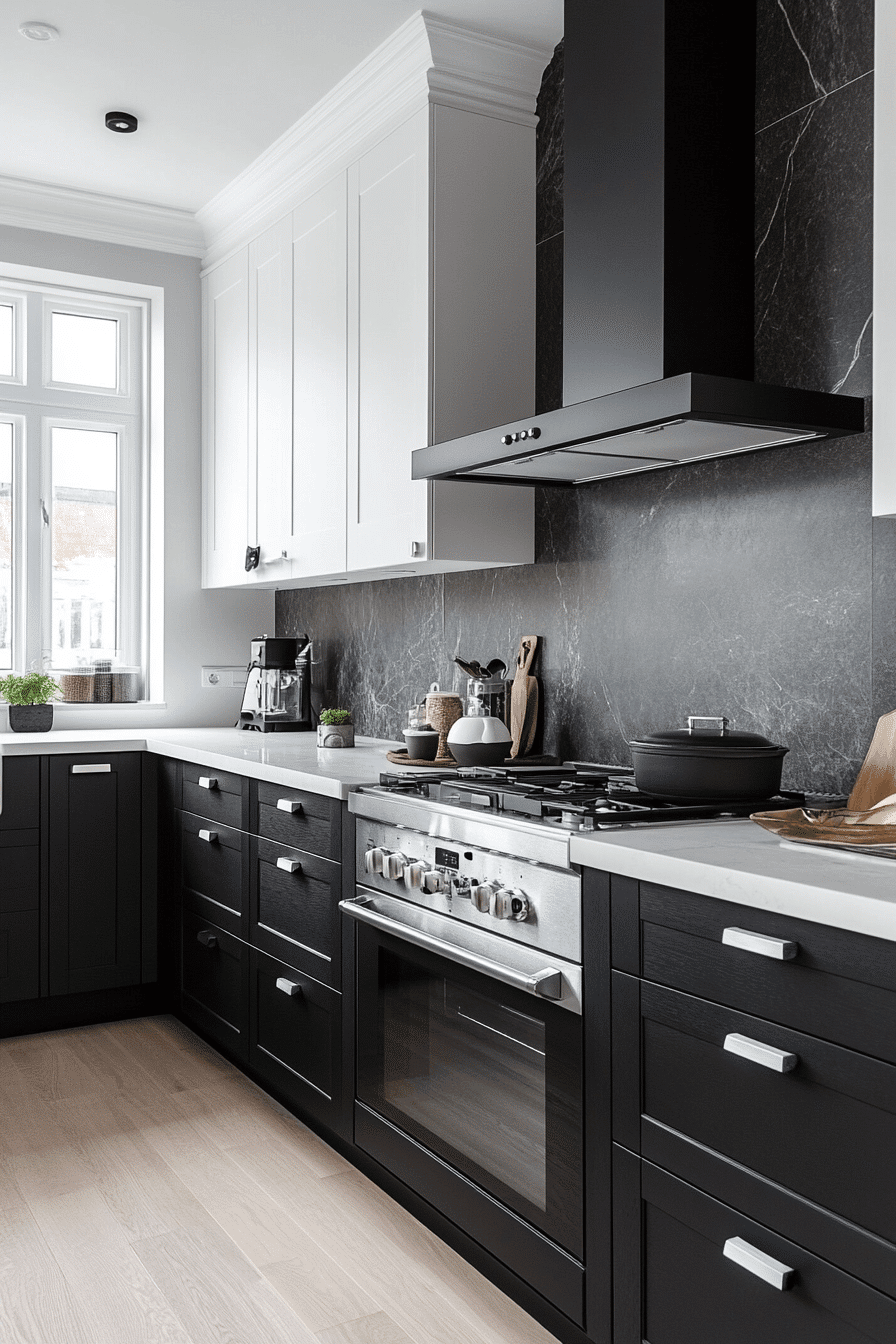
Using two complementary tones can add depth to a minimalist kitchen without disrupting its clean and balanced aesthetic. Pairing shades such as white and gray creates gentle contrast while maintaining harmony. Separating tones across cabinetry or surfaces helps define the layout and adds visual structure. Clean lines ensure the design remains simple and uncluttered. This approach offers a refined way to introduce variation into a minimalist space. Explore how two-tone designs can elevate your minimalist kitchen.
11. Textured Surface Subtle Depth
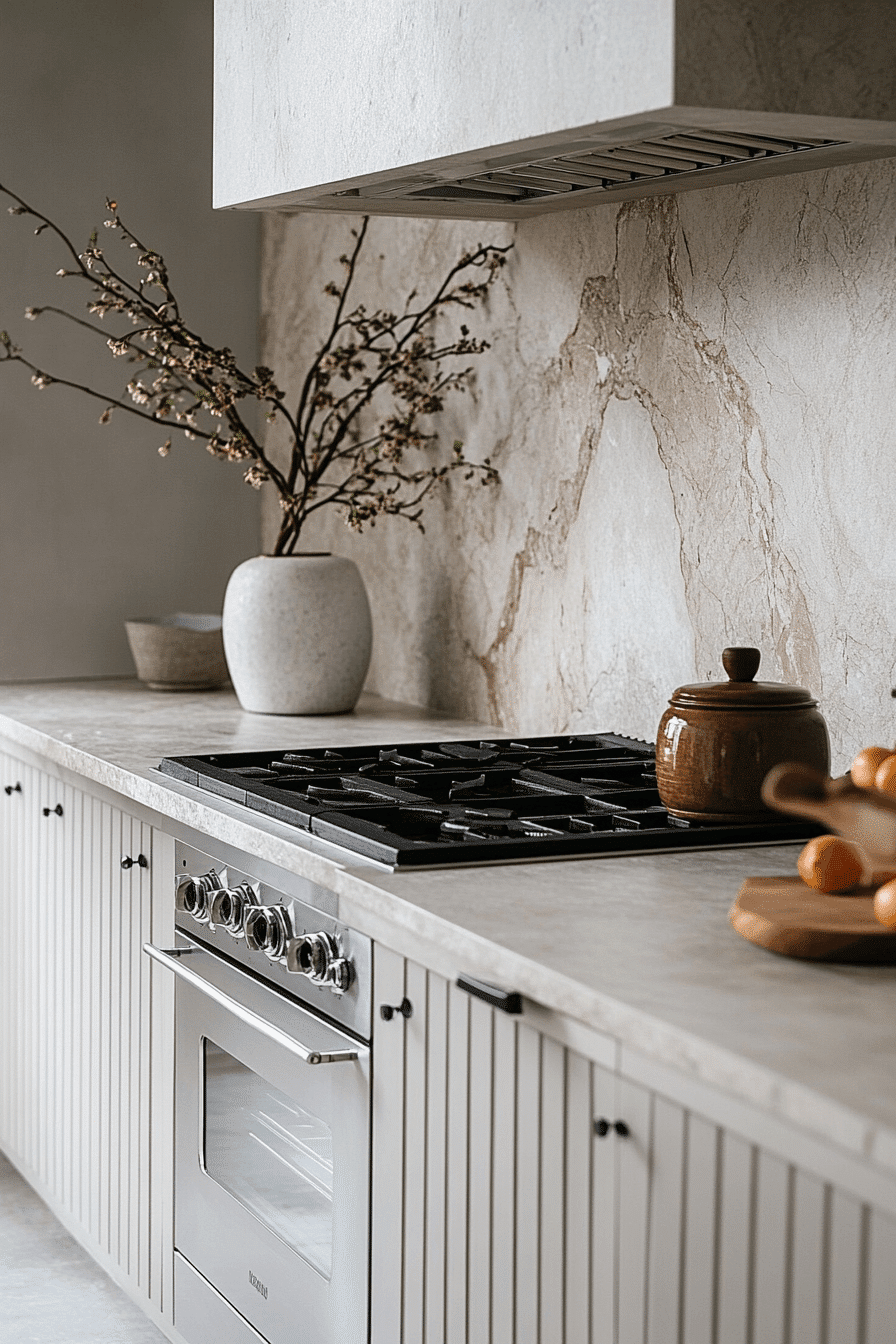
Textured surfaces can bring subtle depth to a minimalist kitchen by adding visual interest without relying on bold colors or excessive decoration. Materials such as ribbed panels, soft stone, or concrete finishes create dimension while keeping the design calm. The neutral palette allows the textures to take center stage. This approach aligns with minimalist principles by focusing on quality and material over ornamentation. The result feels modern, tactile, and thoughtfully designed. Discover how texture can transform your minimalist kitchen.
12. Slim Fixture Refined Detail
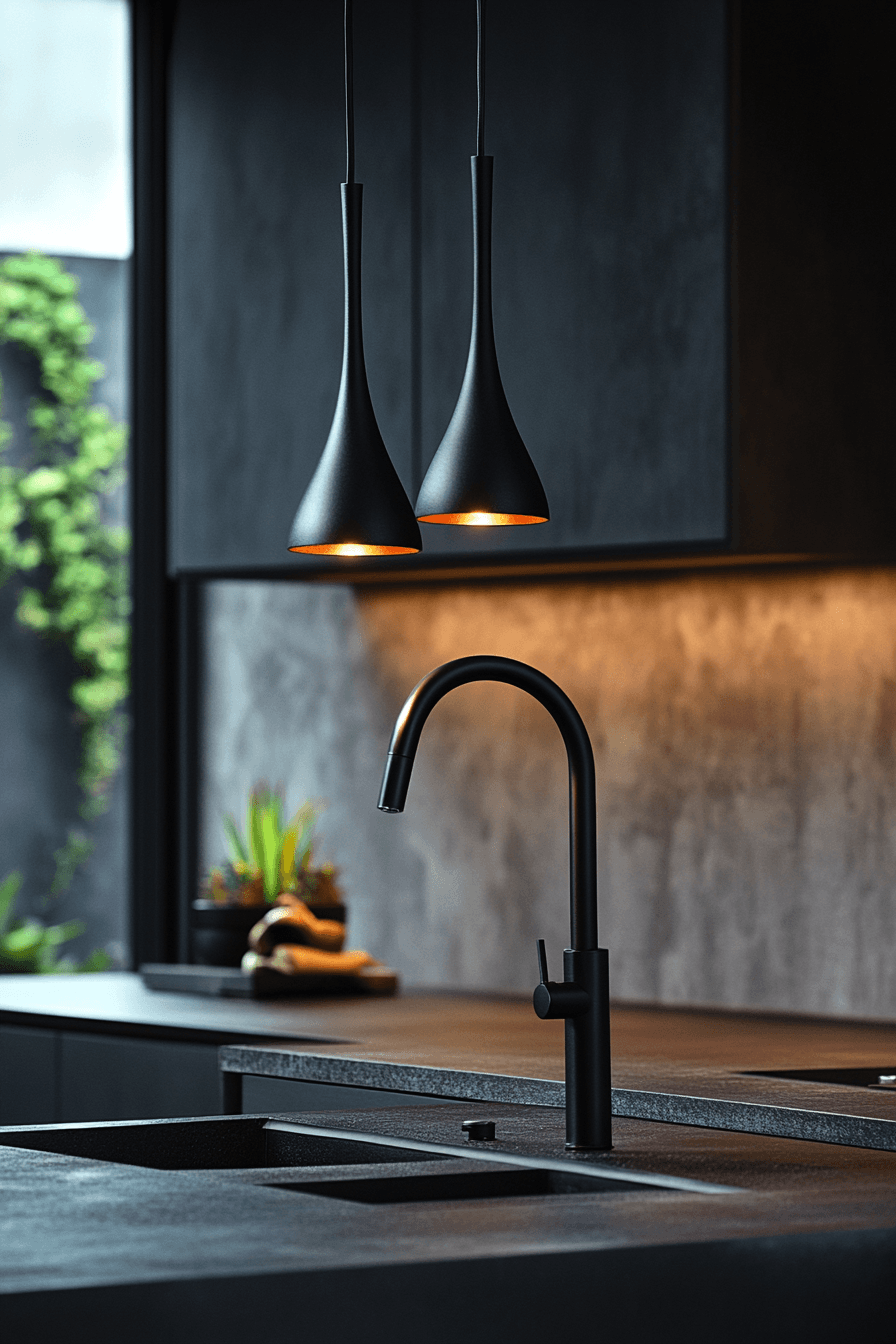
Slim, streamlined fixtures enhance a minimalist kitchen by maintaining a clean and uncluttered appearance while still providing full functionality and style. Thin-profile faucets, sleek handles, and minimal lighting fixtures blend seamlessly into the design. These details help preserve visual space, especially in smaller kitchens. The result is a refined and cohesive look that feels modern and intentional. Every element supports the overall simplicity of the space. Explore how slim fixtures can refine your minimalist kitchen.
13. Compact Efficient Smart Layout
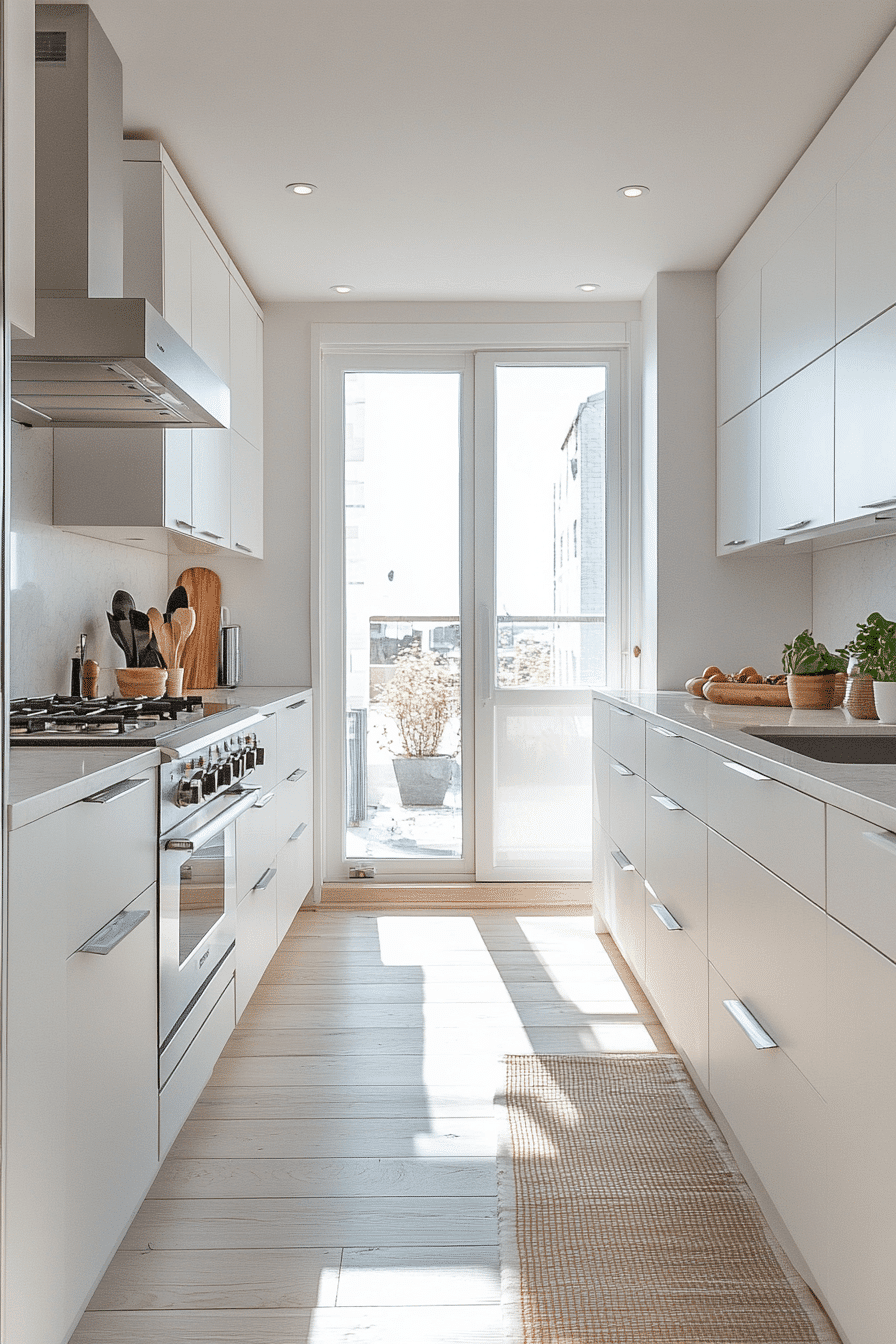
Efficient layouts can turn a compact area into a highly functional minimalist kitchen that feels organized, spacious, and easy to use. Strategic placement of cabinetry and appliances reduces clutter and maximizes usability. Clean lines and neutral tones prevent the space from feeling crowded. This design approach focuses on essentials, allowing the kitchen to feel calm and efficient. Even small kitchens can feel stylish and practical with the right layout. Discover space-saving ideas for your minimalist kitchen.
14. Grey Cream Timeless Blend
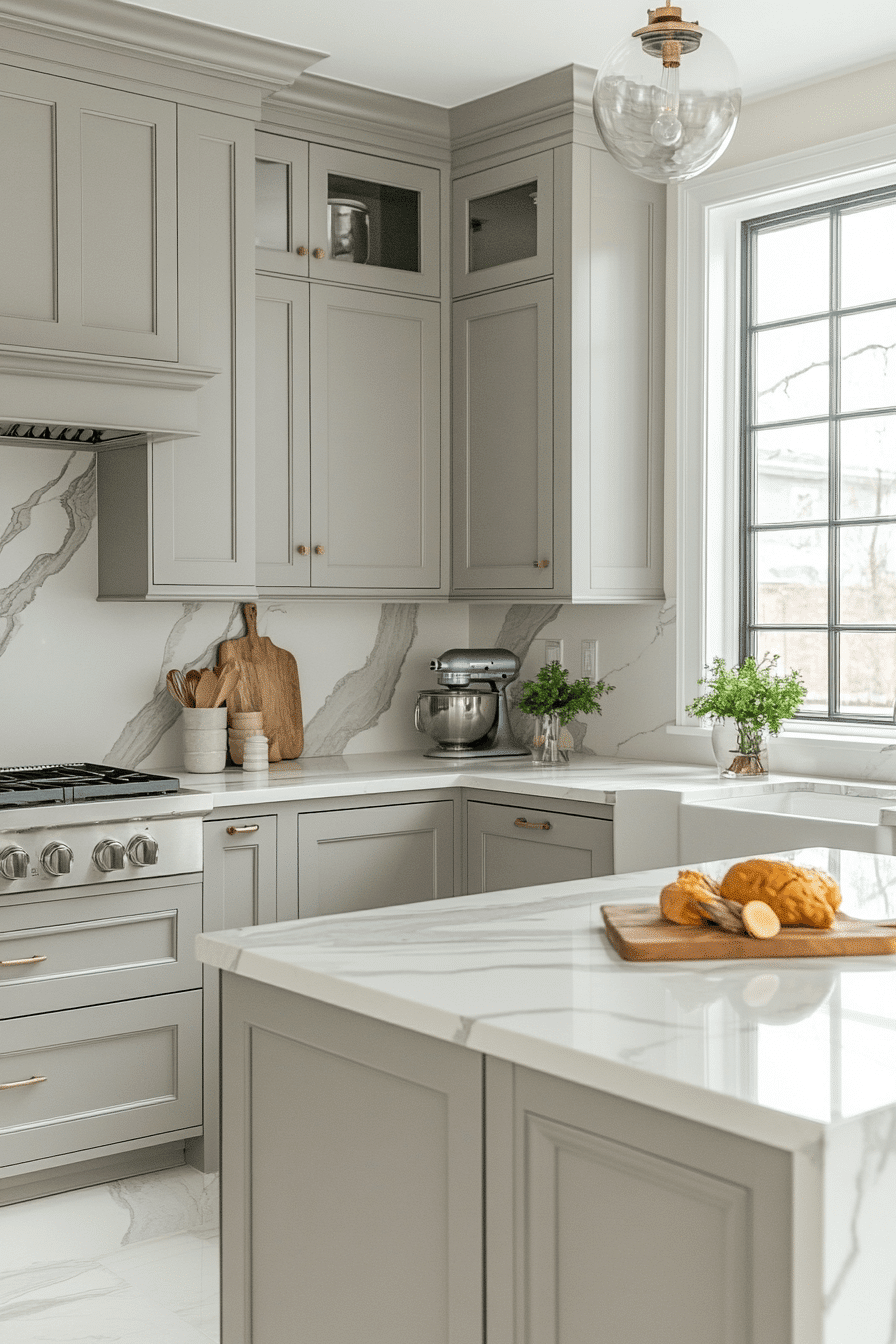
A combination of gray and cream tones creates a minimalist kitchen that feels balanced, soft, and timeless without becoming visually overwhelming. Gray adds depth while cream introduces warmth and brightness. Together, they form a versatile foundation that works with a variety of materials and finishes. Subtle textures enhance the design without adding clutter. The result feels both modern and inviting. Explore how gray and cream can elevate your minimalist kitchen.
15. Smart Integrated Modern Function
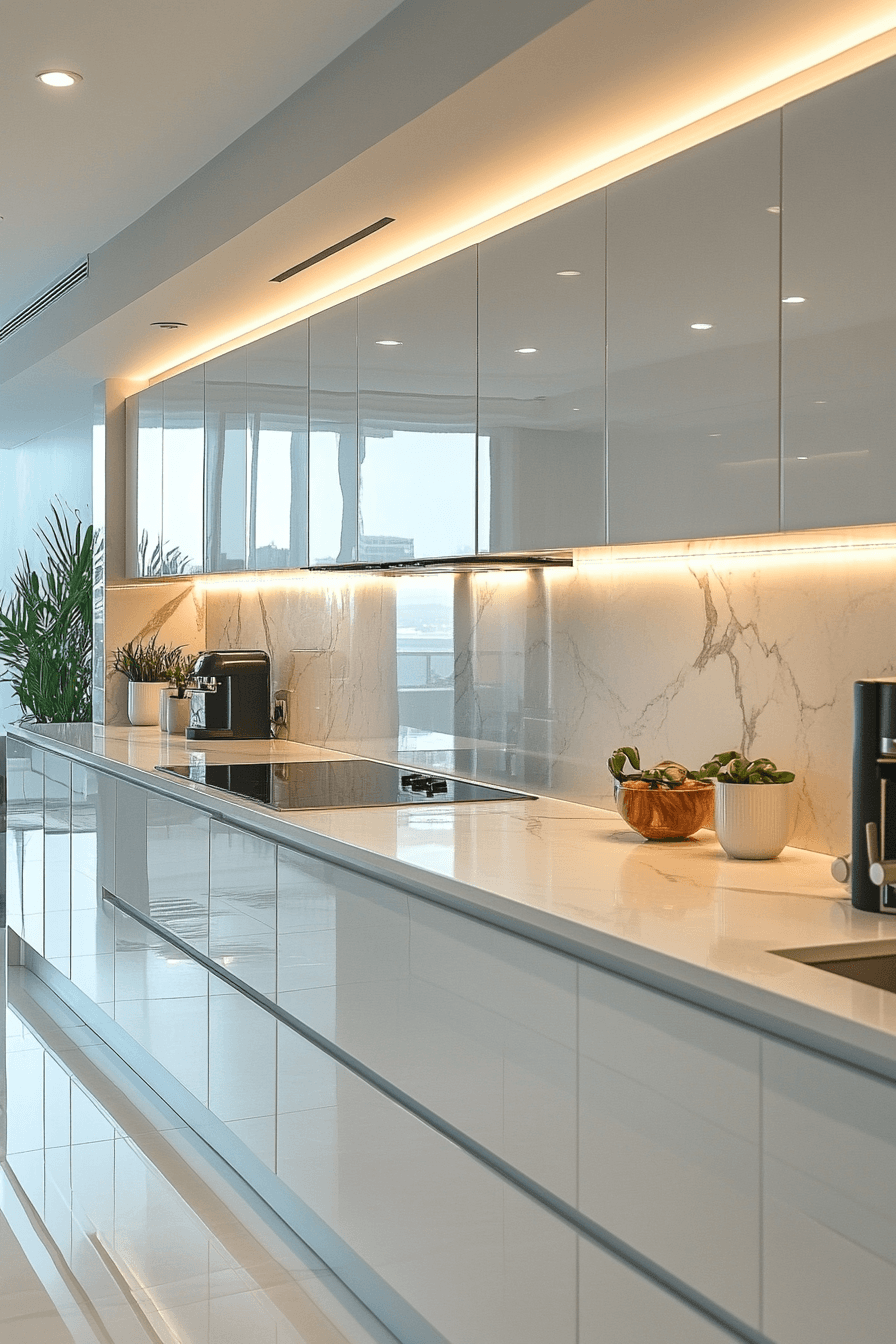
Smart technology can be seamlessly integrated into a minimalist kitchen to enhance functionality while maintaining a clean and uncluttered aesthetic. Features such as touchless faucets, hidden lighting, and built-in charging stations improve convenience without drawing attention. The design ensures that technology complements the space rather than dominating it. This approach creates a kitchen that feels modern, efficient, and visually calm. Innovation blends effortlessly with simplicity. Discover how smart features can upgrade your minimalist kitchen.
16. Low Profile Horizontal Design
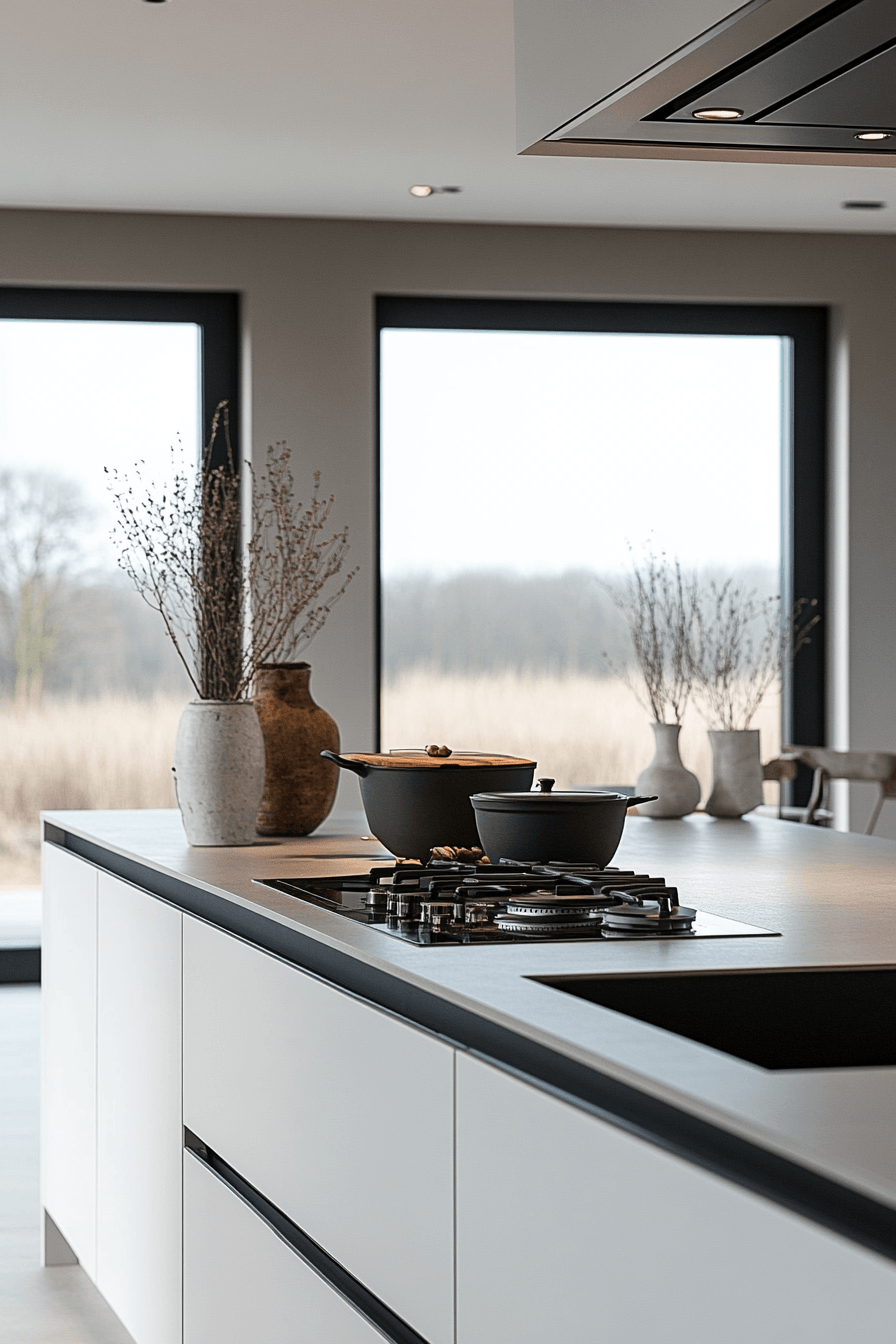
Low-profile designs emphasize horizontal lines in a minimalist kitchen, creating a sense of openness and visual flow that feels modern and refined. Flat cabinetry, integrated appliances, and concealed features reduce visual height and allow the space to feel lighter. This approach works especially well in open layouts where continuity is important. Every element contributes to a clean and cohesive design. The result is both practical and visually striking. Explore low-profile minimalist kitchen ideas that redefine simplicity.
17. Glass Stone Refined Contrast
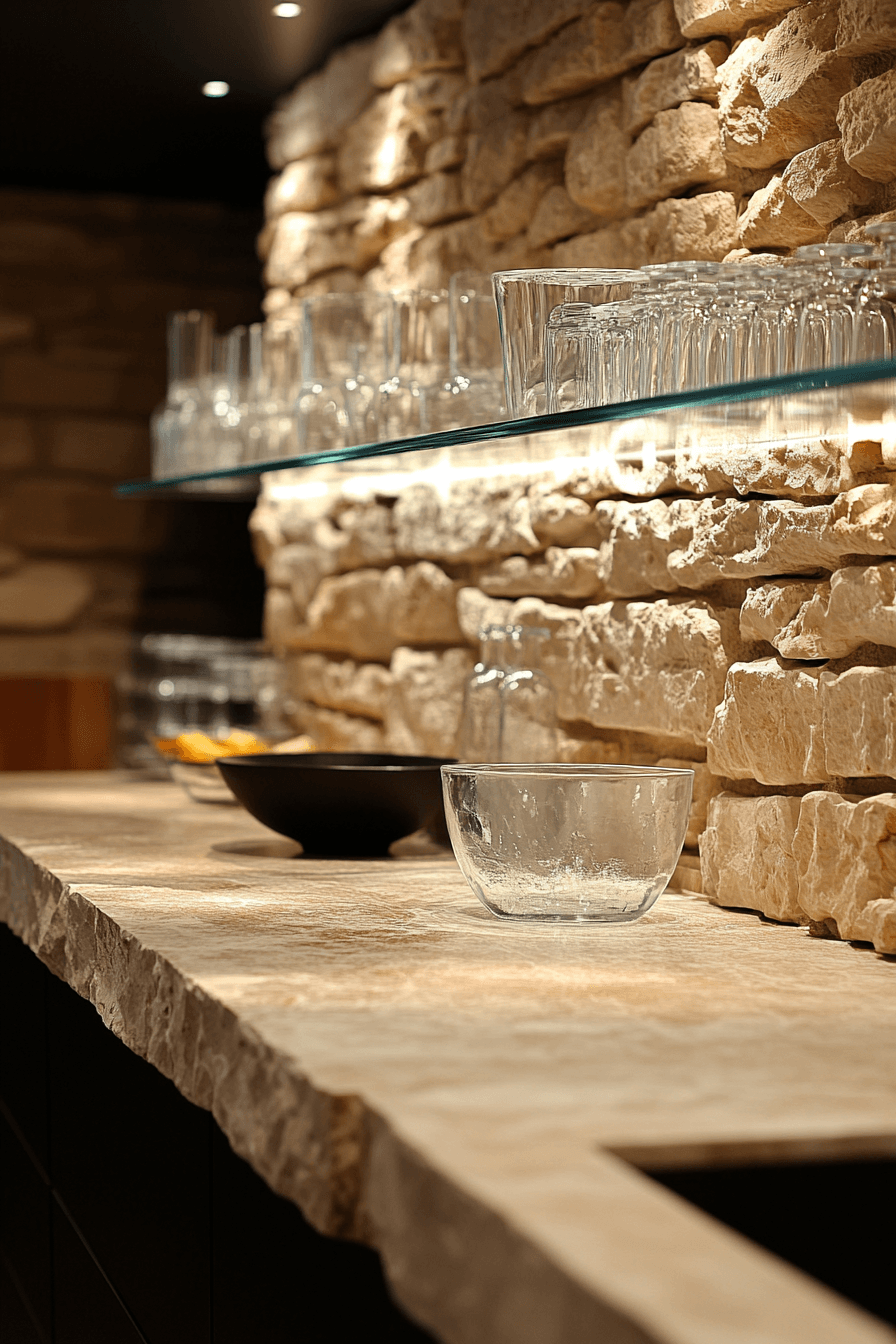
Glass and stone elements can create a sophisticated balance in a minimalist kitchen by combining transparency with texture in a way that feels modern and refined. Glass surfaces keep the design open and airy, while stone adds durability and grounding. This pairing introduces contrast without cluttering the space. The materials work together to enhance both function and style. The overall look feels elegant and timeless. Discover how glass and stone can elevate your minimalist kitchen.
18. Curved Edge Soft Geometry
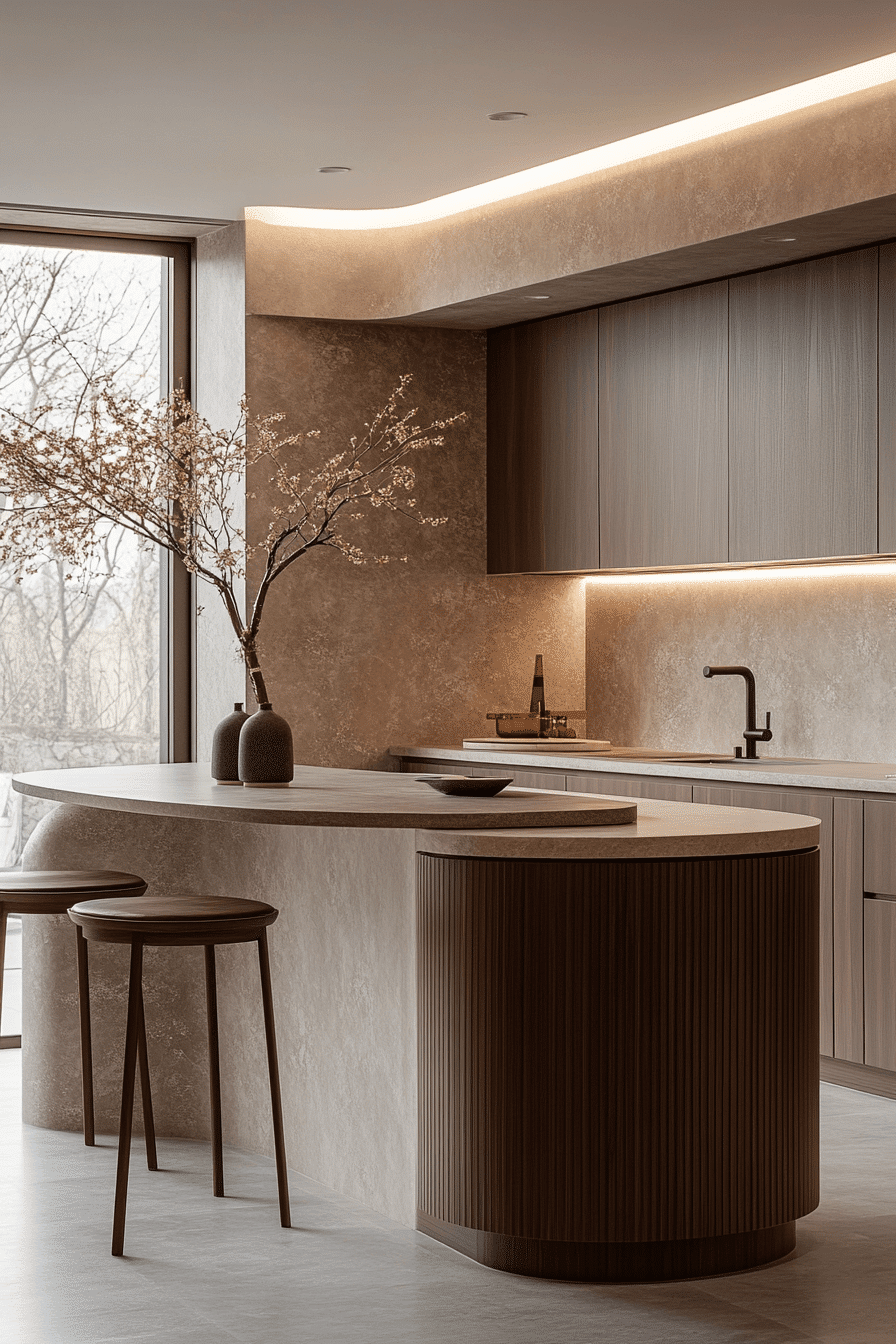
Curved cabinet edges can soften the look of a minimalist kitchen by introducing gentle lines that contrast with traditional sharp angles while maintaining a clean and cohesive design. These subtle curves create a more approachable and fluid appearance. They are particularly useful in smaller kitchens where smoother transitions improve flow. The result is modern yet inviting. This detail adds uniqueness without overwhelming the simplicity. Explore how curved designs can refresh your minimalist kitchen.
19. Ultra Light Serene Palette
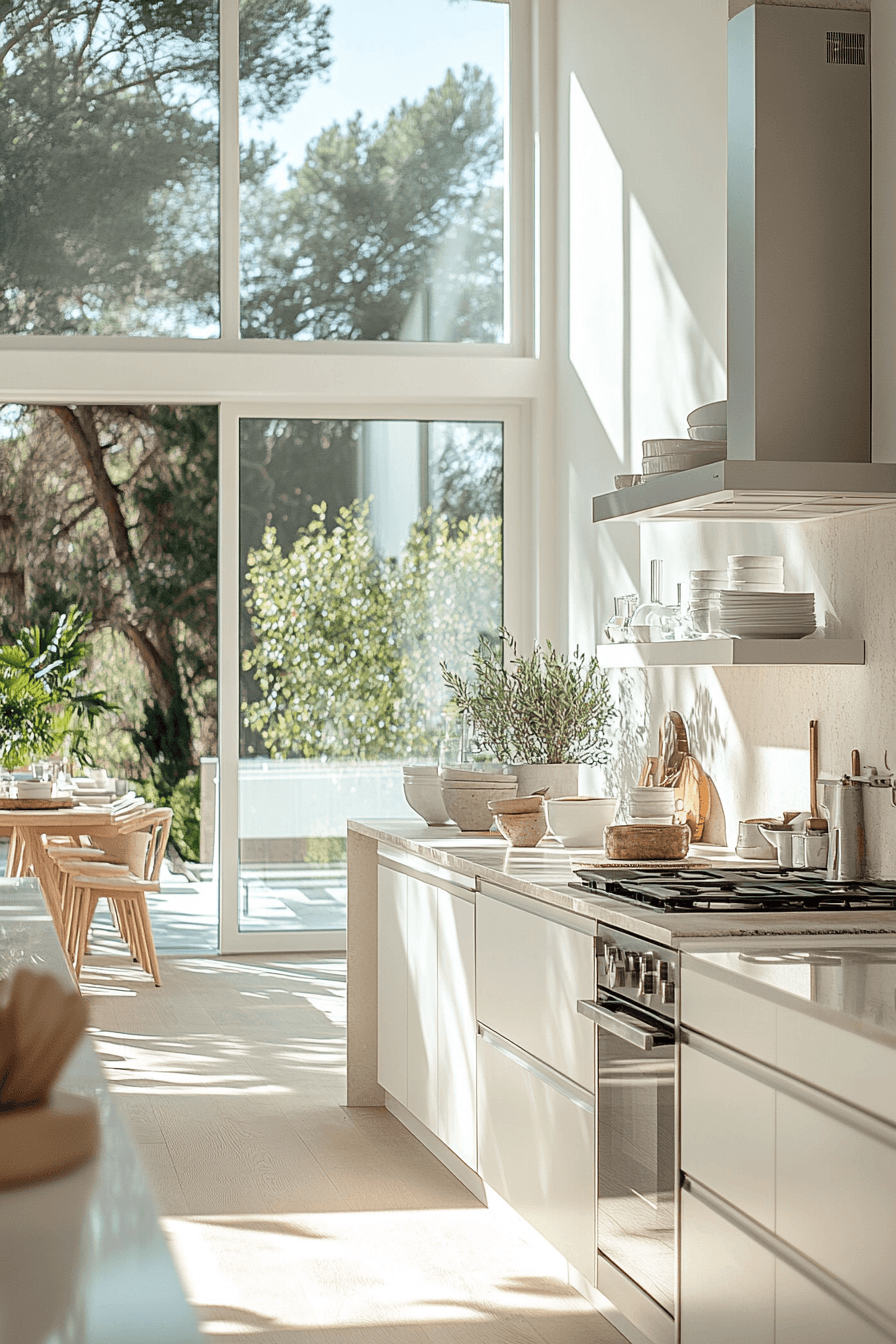
Ultra-light color palettes can transform a minimalist kitchen into a bright and tranquil space that feels open, airy, and effortlessly calm throughout the day. Soft whites, pale grays, and light beiges reflect natural light beautifully. When paired with simple forms and clean lines, the design feels peaceful and cohesive. This approach is ideal for creating a relaxing environment. The result is subtle yet impactful. Discover how ultra-light tones can enhance your minimalist kitchen.
20. Warm Neutral Cozy Design
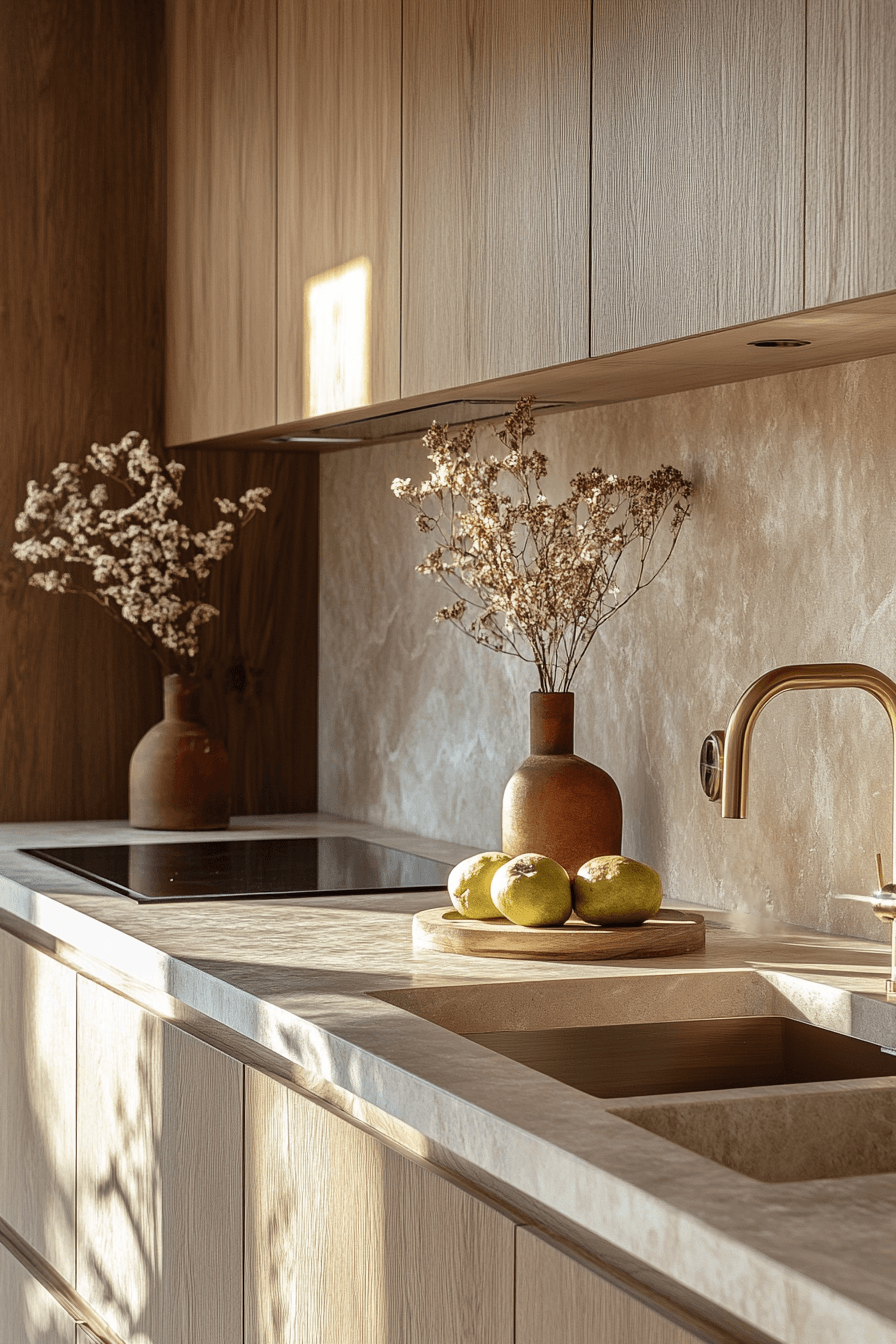
Warm tones can bring a sense of comfort into a minimalist kitchen while maintaining the clean and uncluttered aesthetic that defines minimalism. Shades such as tan, warm white, and soft neutrals create a welcoming atmosphere. Materials like wood and brushed metals add texture and depth without excess detail. This balance between warmth and simplicity feels natural and refined. The kitchen becomes both stylish and inviting. Explore warm minimalist kitchen ideas that feel effortless.
21. Concrete Modern Industrial Balance
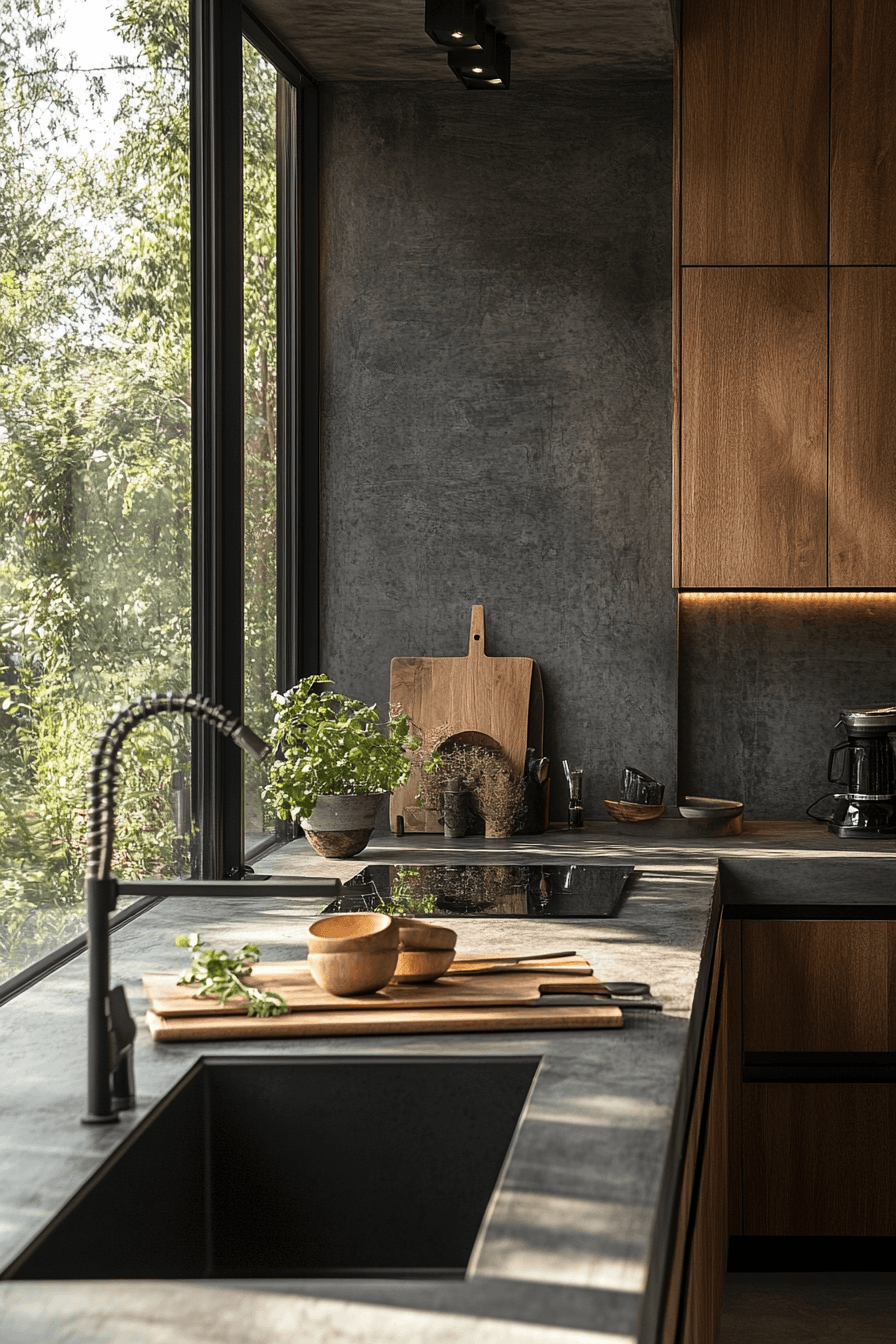
Concrete-inspired finishes can introduce a modern and slightly industrial edge into a minimalist kitchen while still maintaining a clean and sophisticated look. The muted tones create a neutral backdrop that works well with other materials. These surfaces are durable and easy to maintain. The contrast between raw texture and sleek design elements adds depth. The overall effect feels bold yet controlled. Discover how concrete finishes can enhance your minimalist kitchen.
22. Floating Island Sculptural Feature
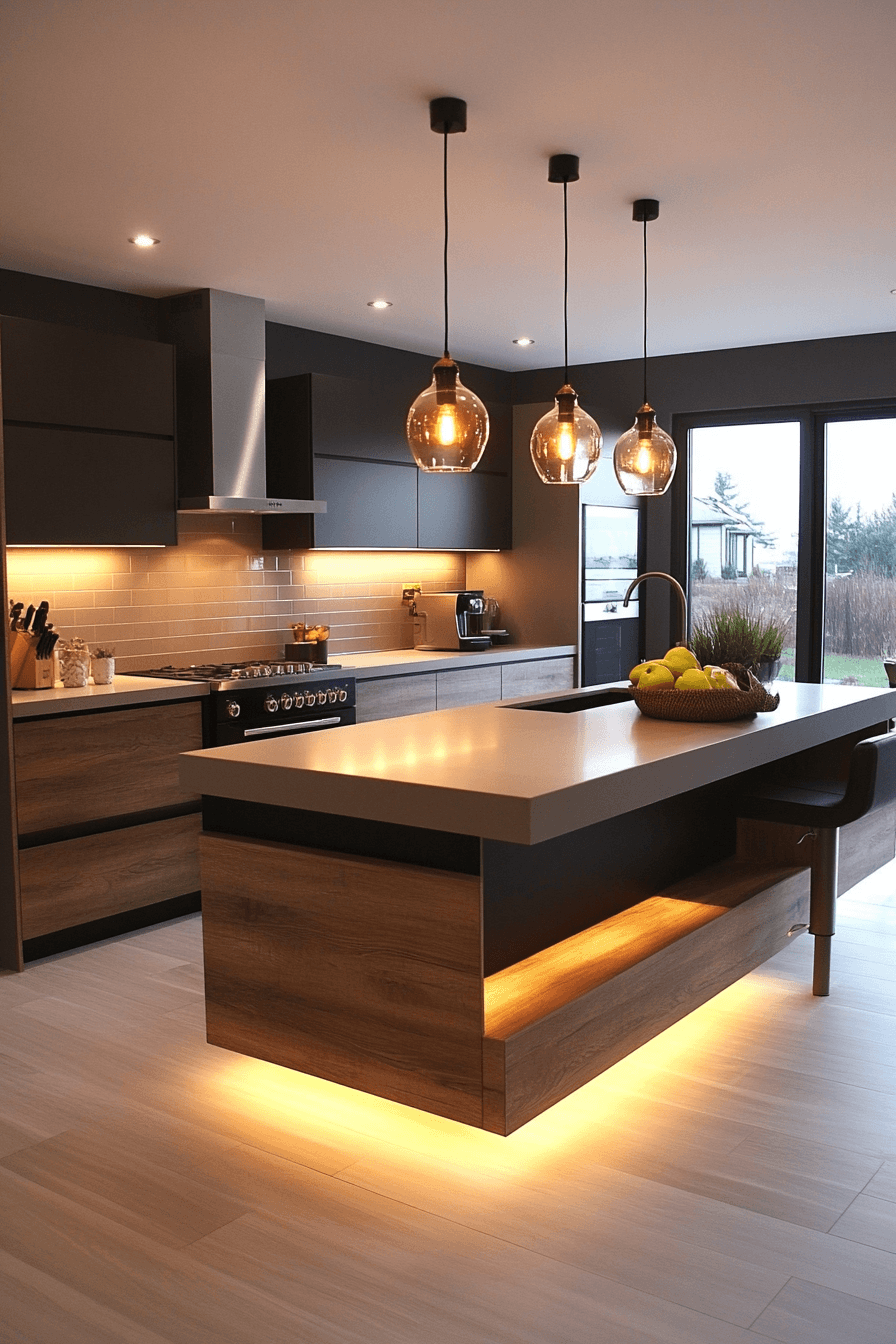
Floating island designs can create a sense of openness and movement in a minimalist kitchen by reducing visual bulk while still providing full functionality. Elevated structures give the illusion of space and add a modern, sculptural element. This approach works particularly well in open-plan layouts. Storage and preparation areas remain practical without feeling heavy. The design feels both innovative and balanced. Explore how a floating island can transform your minimalist kitchen.
23. Neutral Block Structured Layout
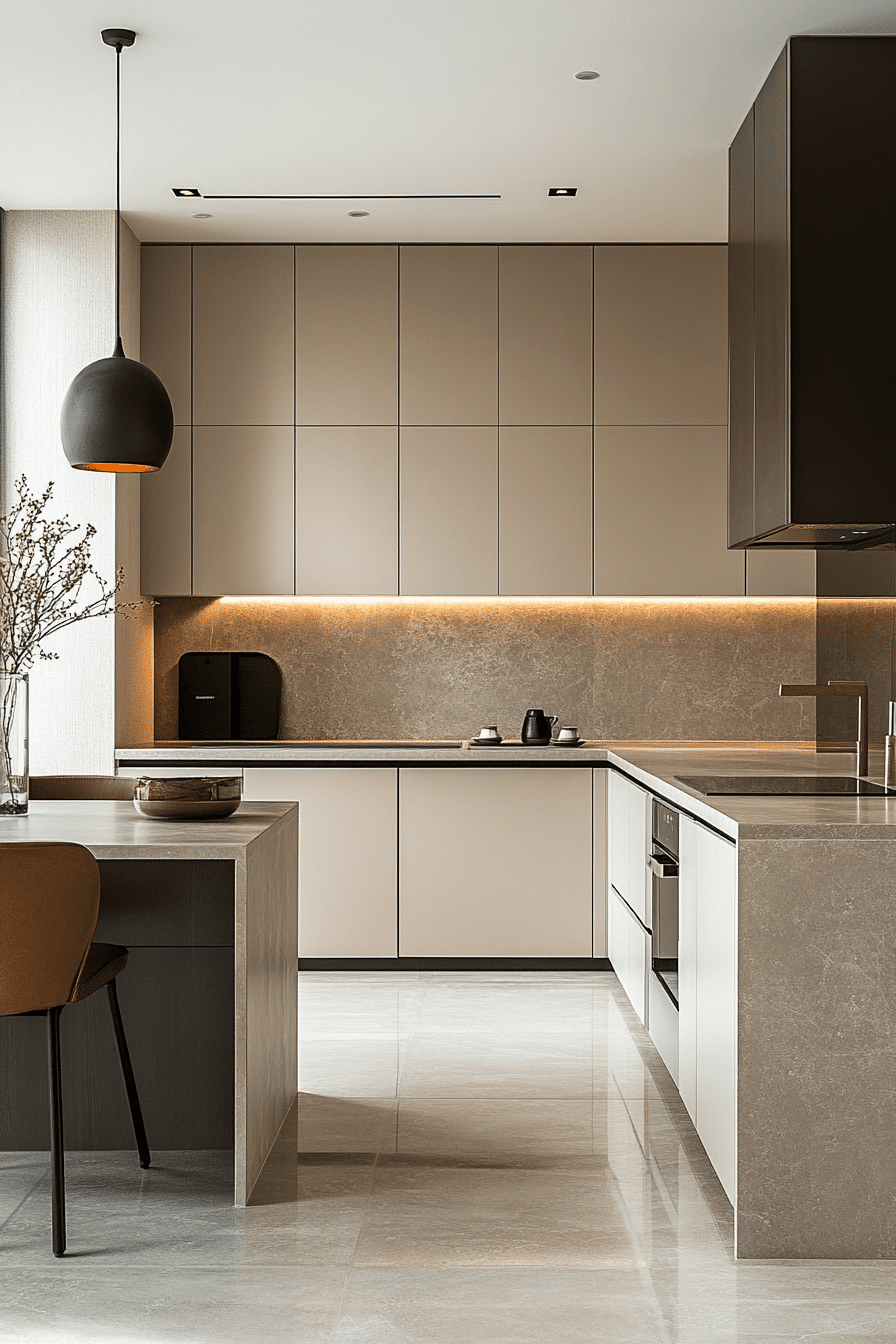
Color blocking with neutral tones can add structure and visual interest to a minimalist kitchen without overwhelming the space or disrupting its calm aesthetic. Large sections of color define different areas while maintaining harmony. Clean lines enhance the overall effect and keep the design cohesive. This approach introduces subtle contrast in a refined way. The result feels modern and intentional. Discover more color-block ideas for your minimalist kitchen.
24. Gloss Finish Reflective Style
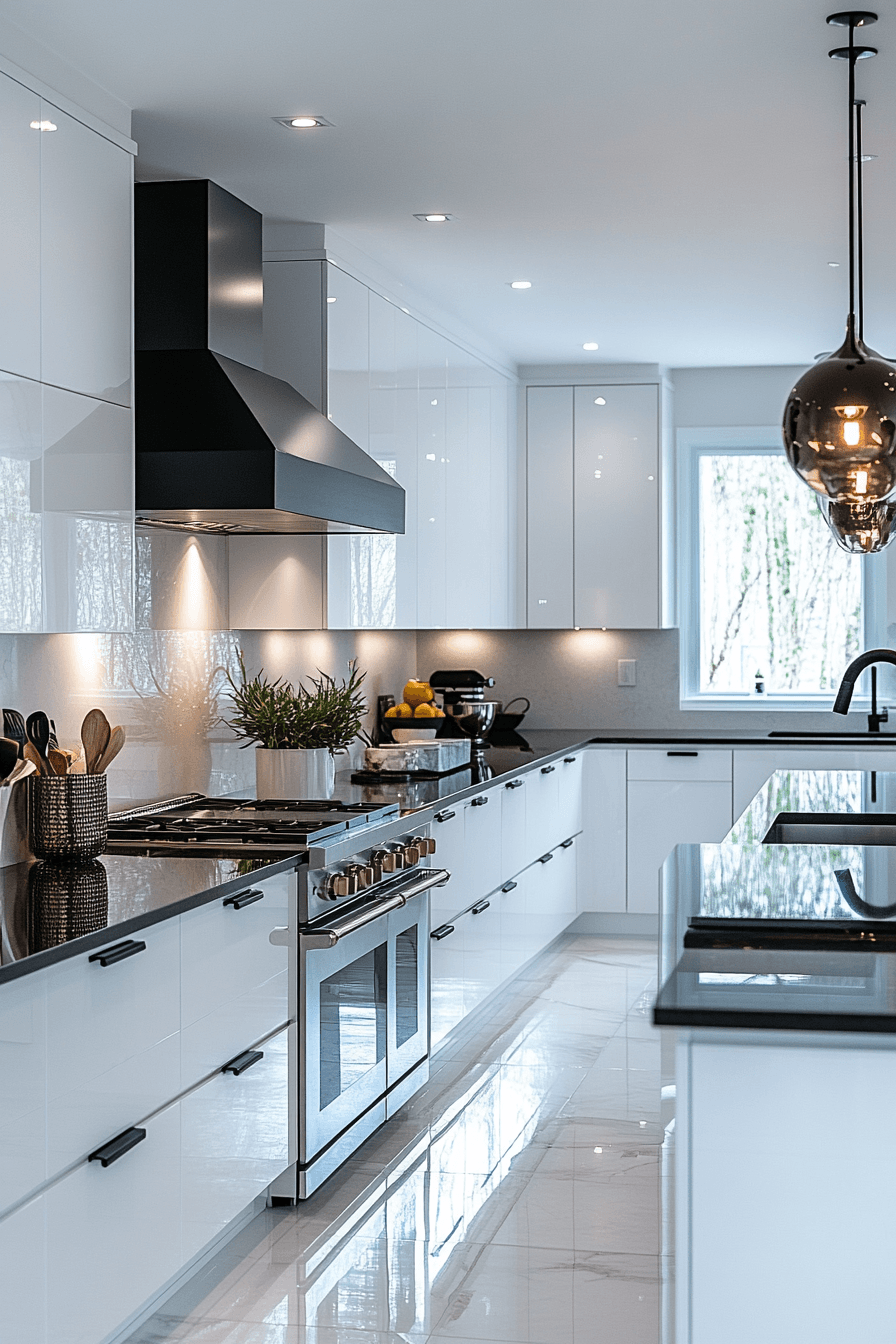
High-gloss finishes can bring brightness and a polished look to a minimalist kitchen by reflecting light across surfaces and enhancing the sense of space. The reflective quality makes the room feel larger and more dynamic. This style pairs well with modern layouts and simple forms. The contrast between shine and simplicity creates visual interest. The design remains clean while feeling vibrant. Explore how gloss finishes can elevate your minimalist kitchen.
25. Integrated Appliance Clean Flow
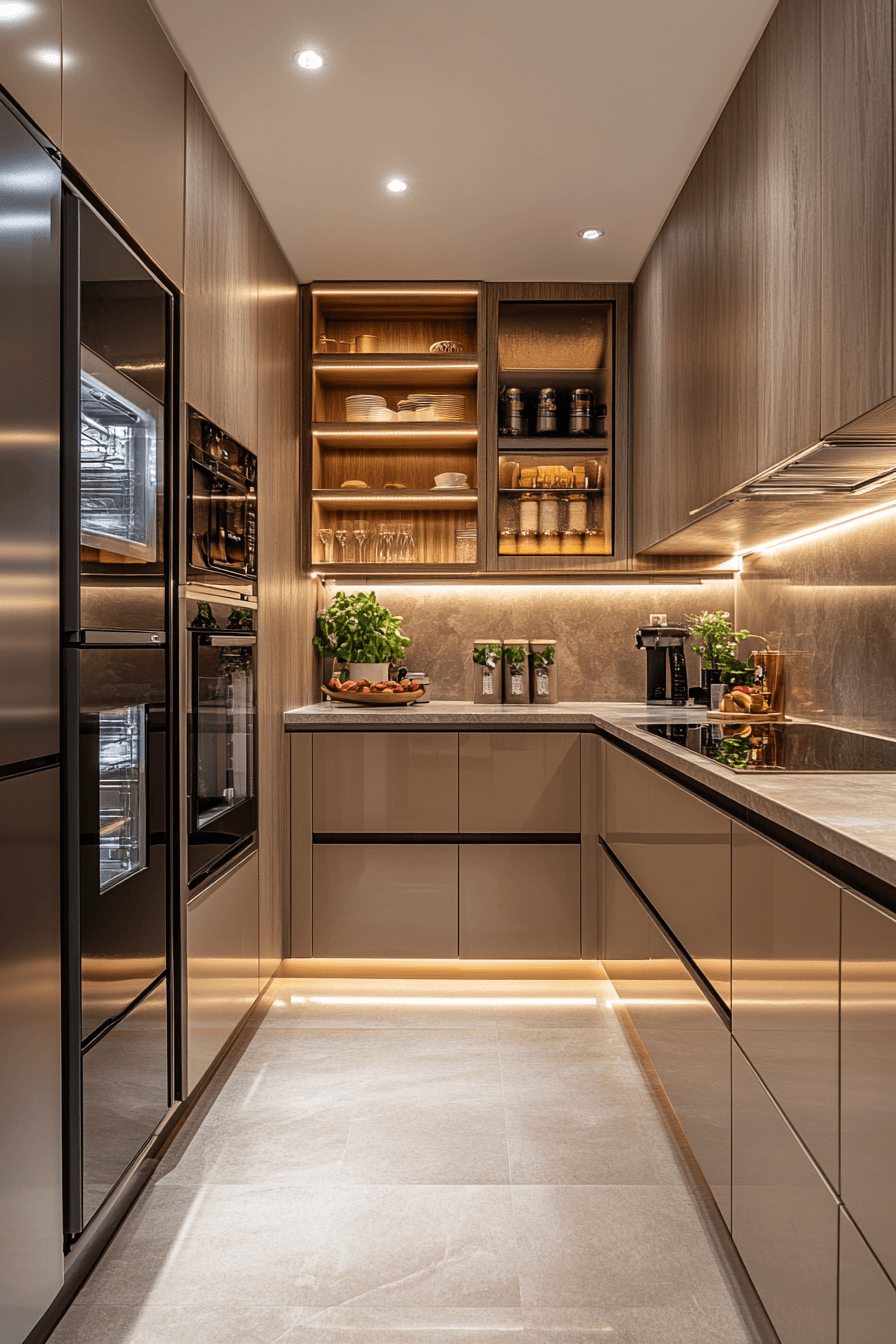
Integrated appliances can create a seamless and cohesive appearance in a minimalist kitchen by blending functionality with clean design. Built-in features eliminate visual interruptions and maintain a smooth flow throughout the space. This approach keeps the kitchen organized and uncluttered. Technology becomes part of the design rather than a distraction. The result feels modern and efficient. Discover how integrated appliances can enhance your minimalist kitchen.
26. Japandi Calm Natural Balance
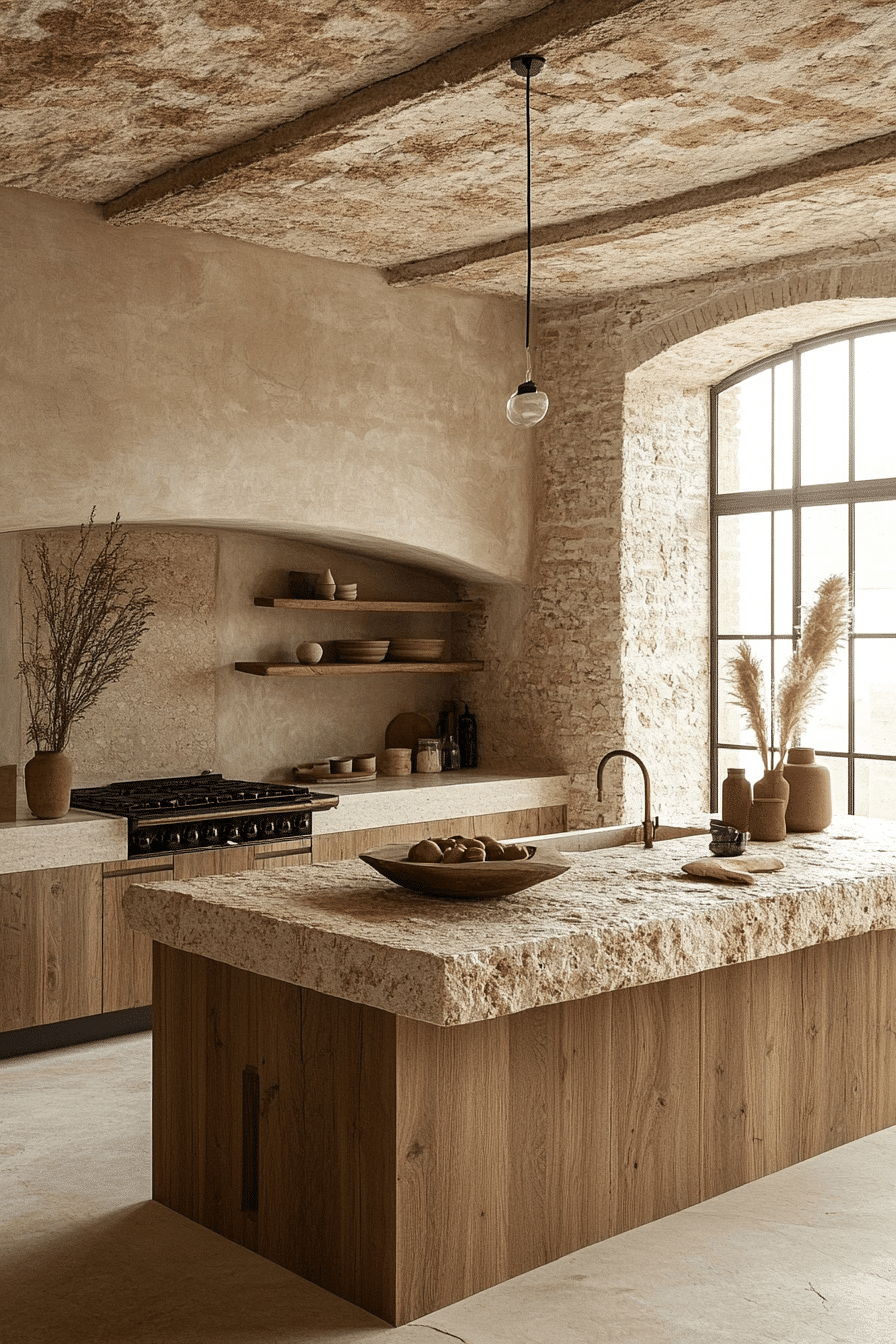
Japandi-inspired design combines Japanese simplicity with Scandinavian warmth to create a minimalist kitchen that feels calm, balanced, and deeply inviting. Natural materials and soft neutral tones define the aesthetic. Clean lines and functional layouts keep the space practical. Every element is chosen with intention. The result is timeless and harmonious. Explore how Japandi style can transform your minimalist kitchen.
27. Luxury Refined Minimal Detail
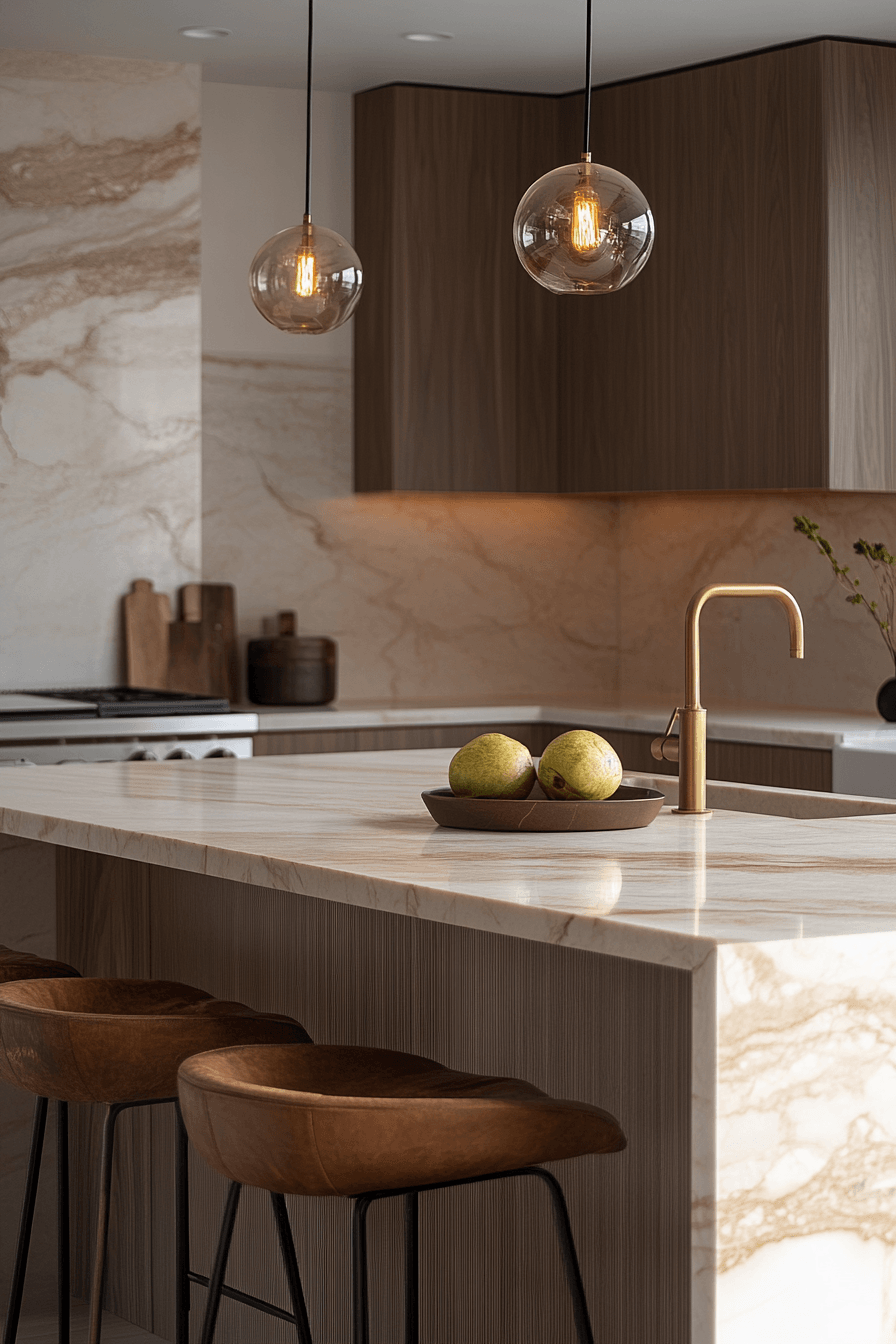
Luxury elements can elevate a minimalist kitchen by incorporating high-quality materials while maintaining a clean and uncluttered design. Features such as marble, brass, and custom cabinetry add sophistication without excess. The focus remains on craftsmanship and detail. This approach creates a refined and timeless look. Simplicity meets elegance in a seamless way. Discover luxury minimalist kitchen ideas that feel elevated.
28. Matte White Sand Harmony
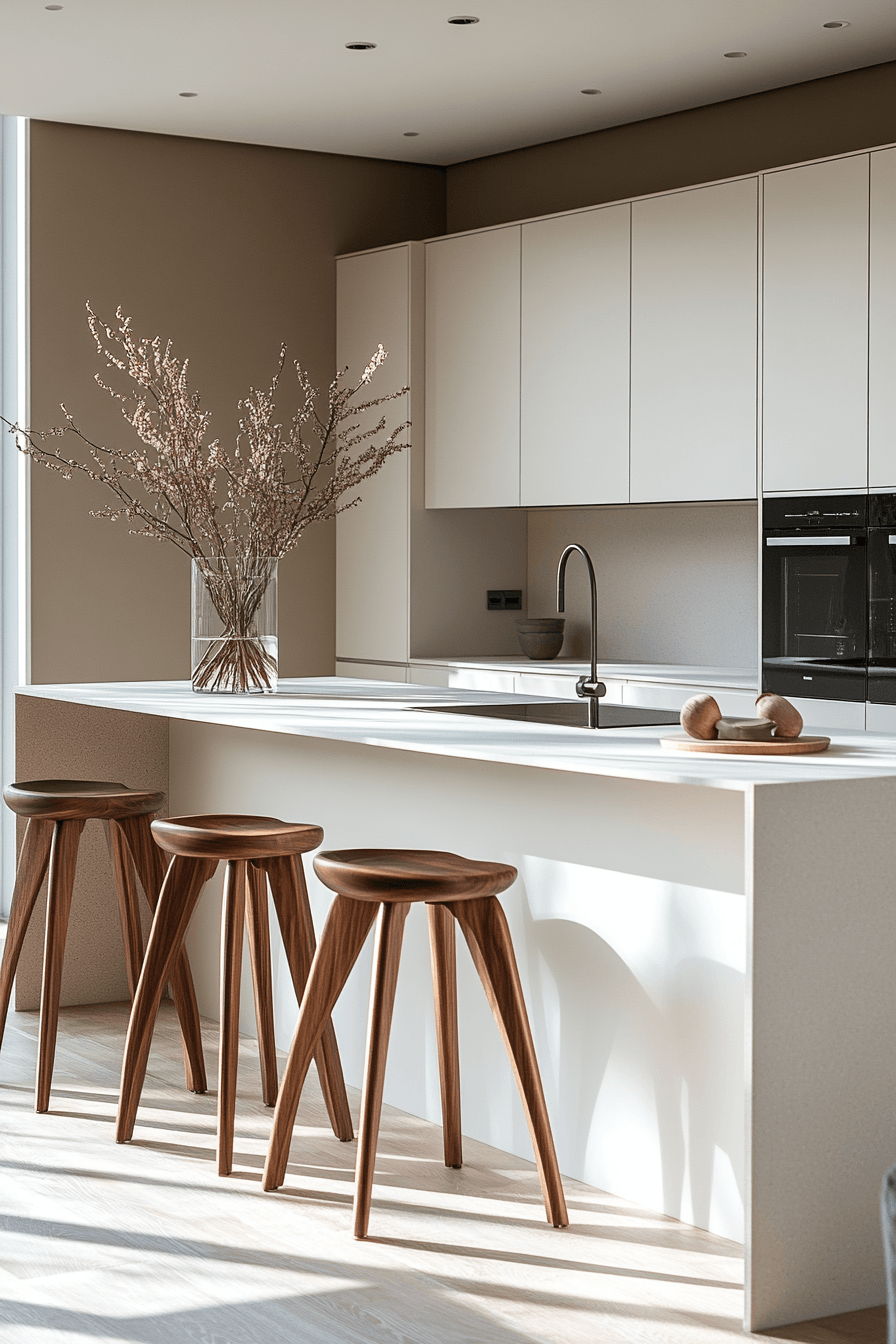
Matte white and sand tones can create a soft and airy minimalist kitchen that feels warm, modern, and effortlessly elegant throughout the space. The muted palette reduces glare while enhancing comfort. These tones work beautifully in bright, open layouts. Clean lines maintain cohesion and clarity. The result feels fresh and inviting. Explore how this color combination can refresh your minimalist kitchen.
29. Smart Kitchen Future Design
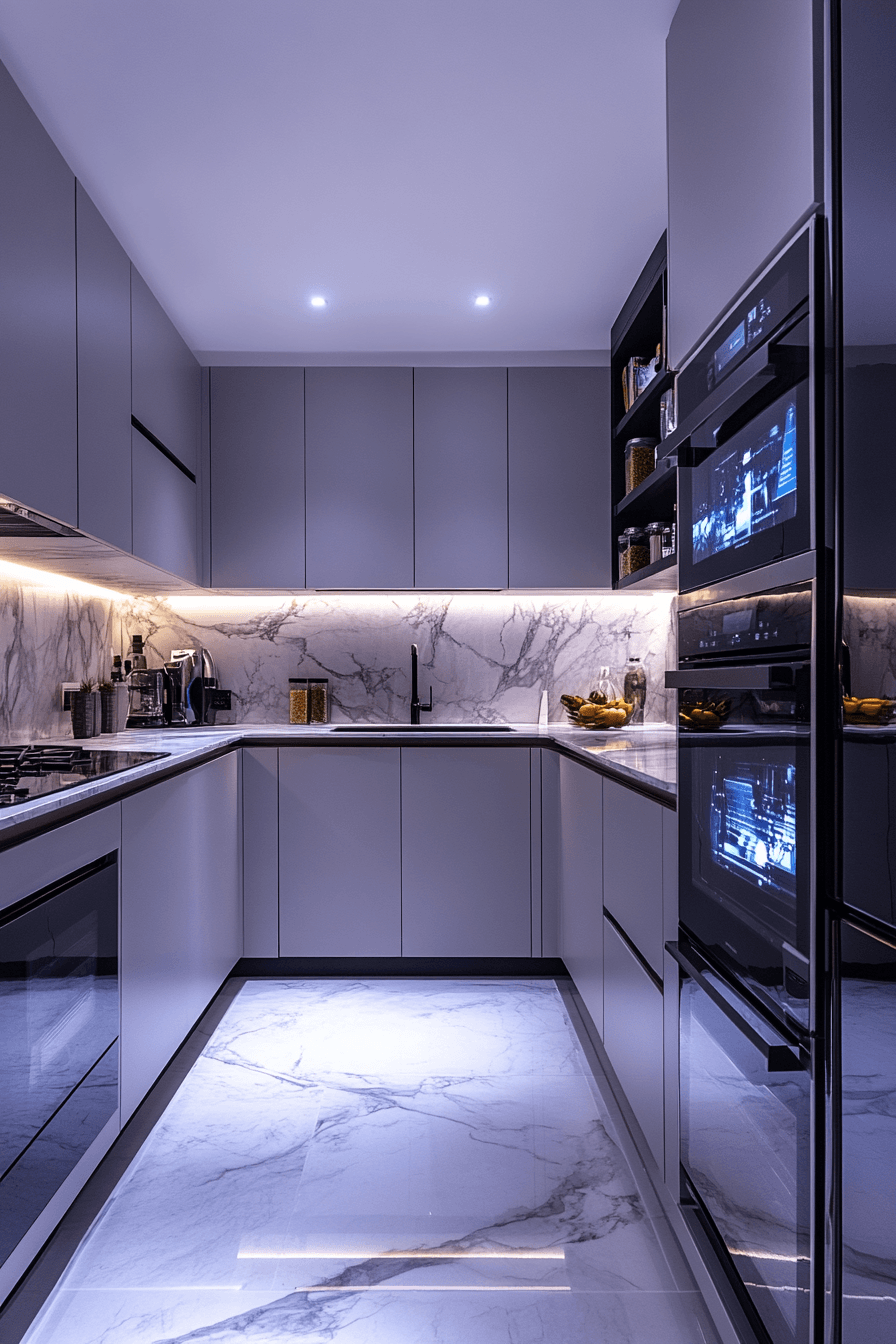
Advanced technology can seamlessly blend into a minimalist kitchen to create a space that feels modern, efficient, and visually uncluttered while still offering cutting-edge functionality. Features such as smart lighting, touch controls, and hidden appliances remain discreet within the design. The layout stays clean and organized. Innovation enhances everyday use without overwhelming the space. The result is both practical and refined. Discover how smart design can redefine your minimalist kitchen.
Conclusion
A minimalist kitchen feels timeless because it blends simplicity, function, and beauty in a way that makes the whole space easier to enjoy. These ideas show how clean lines, uncluttered surfaces, and thoughtful materials can create a kitchen that feels bright, calm, and quietly stunning.