
Wabi Sabi, a Japanese aesthetic philosophy that celebrates imperfection, transience, and natural beauty, has profoundly influenced ceramic design. This comprehensive guide explores 29 distinctive approaches to Wabi Sabi ceramics, revealing how these unique pieces can transform living spaces by embracing flaws, honoring craftsmanship, and connecting interiors to the subtle, organic rhythms of nature. From textured surfaces to handcrafted forms, each style tells a story of authenticity, resilience, and the quiet elegance found in life’s imperfect moments.
1. Echoes of Heritage
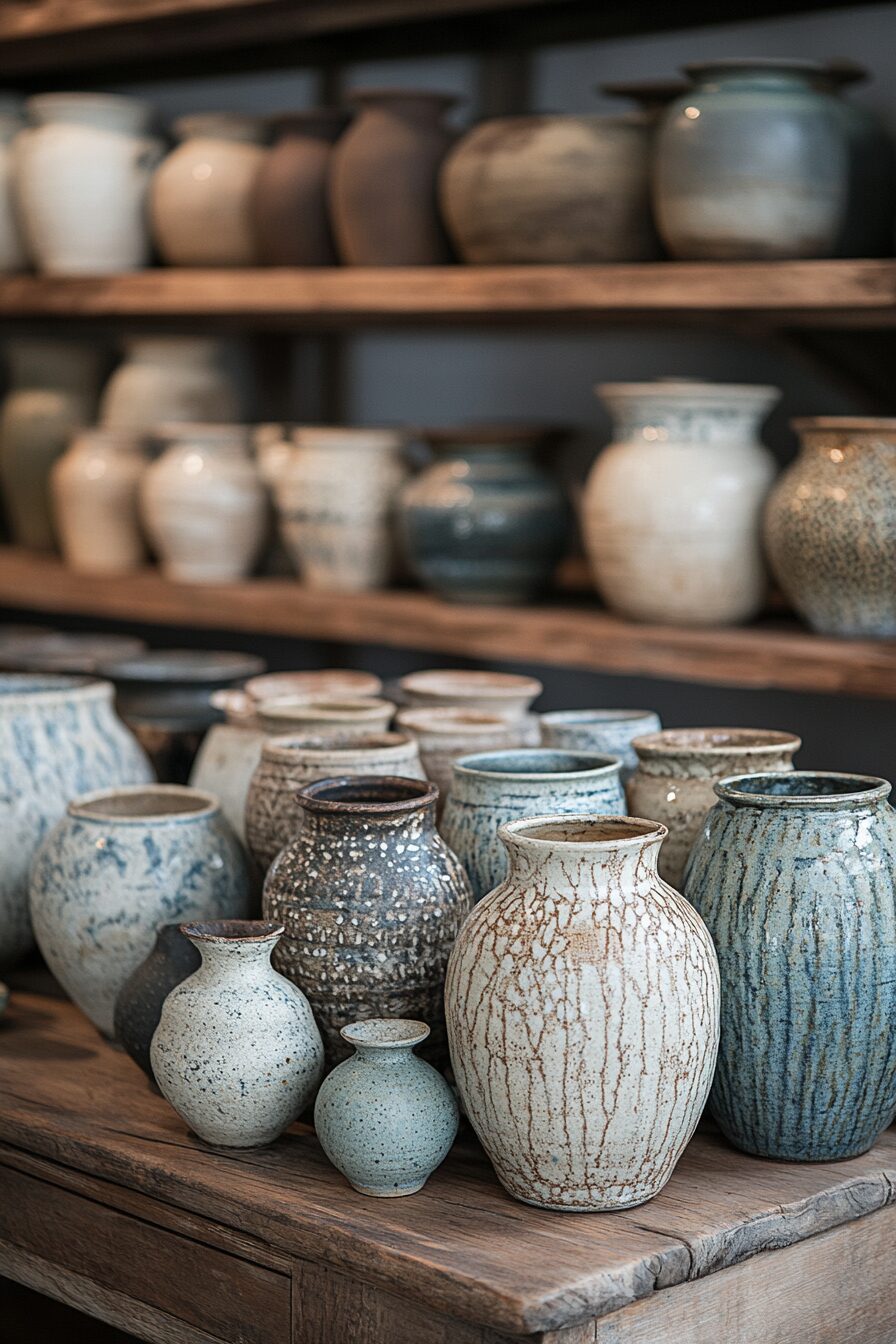
Echoes of Heritage in Wabi Sabi ceramics celebrate the timeless artistry of ancient pottery, embracing imperfections that highlight their storied past. These handcrafted pieces honor traditional methods and bring a sense of history to modern spaces, perfect for creating a soulful ambiance.
🌟 Steal This Look
- Paint Color: Sherwin-Williams Iron Ore SW 7069
- Furniture: reclaimed wood open shelving and rustic wooden table
- Lighting: soft ambient lighting with warm undertones
- Materials: natural wood grain, handcrafted ceramics, and textured pottery glazes
There’s something deeply moving about ceramics that carry the marks of their maker’s hands, each crack and glaze variation telling its own story. These pieces transform any space into a gallery of living history.
2. Beautifully Flawed
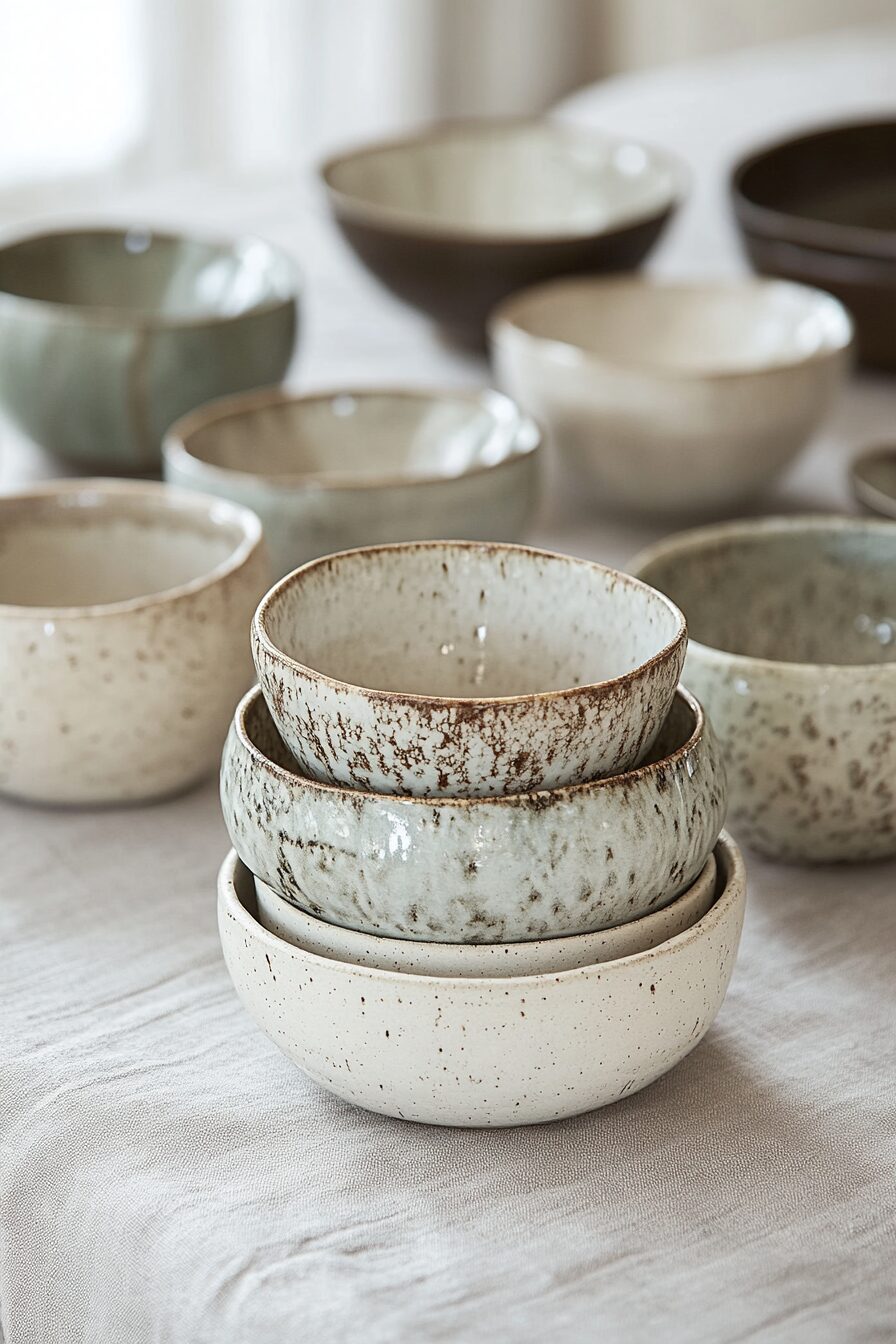
Beautifully Flawed ceramics showcase the charm of asymmetry and irregular shapes, emphasizing the individuality of each piece. By celebrating the handmade imperfections, these Wabi Sabi ceramics turn everyday objects into works of art.
✎ Steal This Look
- Paint Color: Benjamin Moore White Dove OC-17
- Furniture: Reclaimed wood dining table with live edge details
- Lighting: Soft natural window light with linen curtain panels
- Materials: Speckled ceramic stoneware with natural linen textiles
There’s something deeply satisfying about bowls that feel different in your hands, each one telling its own story through subtle imperfections. These beautifully flawed ceramics remind us that perfection isn’t the goal – character is.
3. Earthbound Simplicity
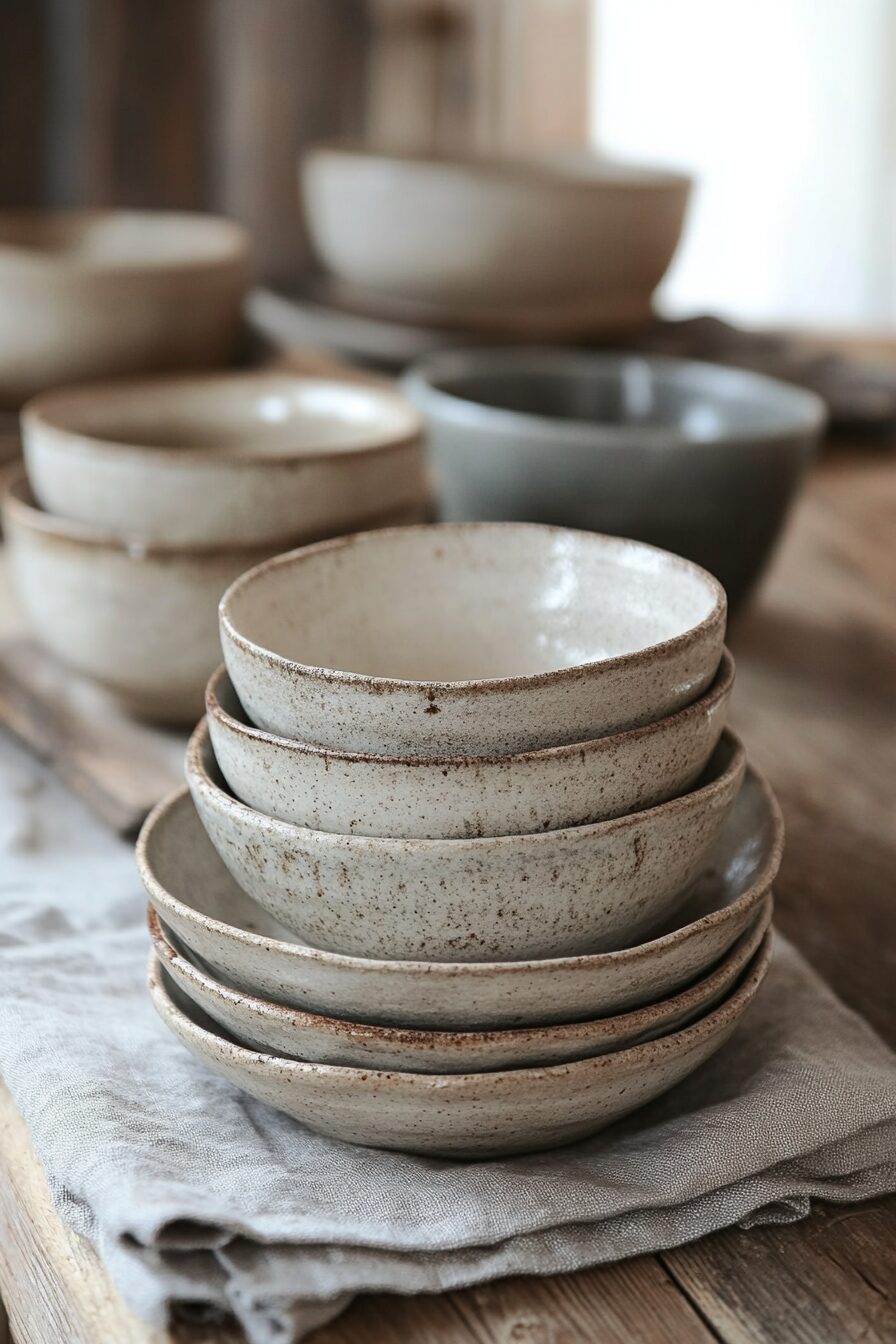
Earthbound Simplicity focuses on the raw, untouched quality of clay, with natural textures and colors that ground your space. These understated Wabi Sabi ceramics evoke calmness and connection to the earth.
✎ Steal This Look
- Paint Color: Farrow & Ball Skimming Stone 241
- Furniture: raw wood dining table with live edge details
- Lighting: warm pendant light with natural fiber shade
- Materials: speckled ceramic bowls, natural linen textiles, weathered wood surfaces
There’s something deeply satisfying about running your fingers along the rough, speckled rim of a handmade bowl. These imperfect ceramics remind us that beauty lives in the unpolished moments of daily life.
4. Aged Patina
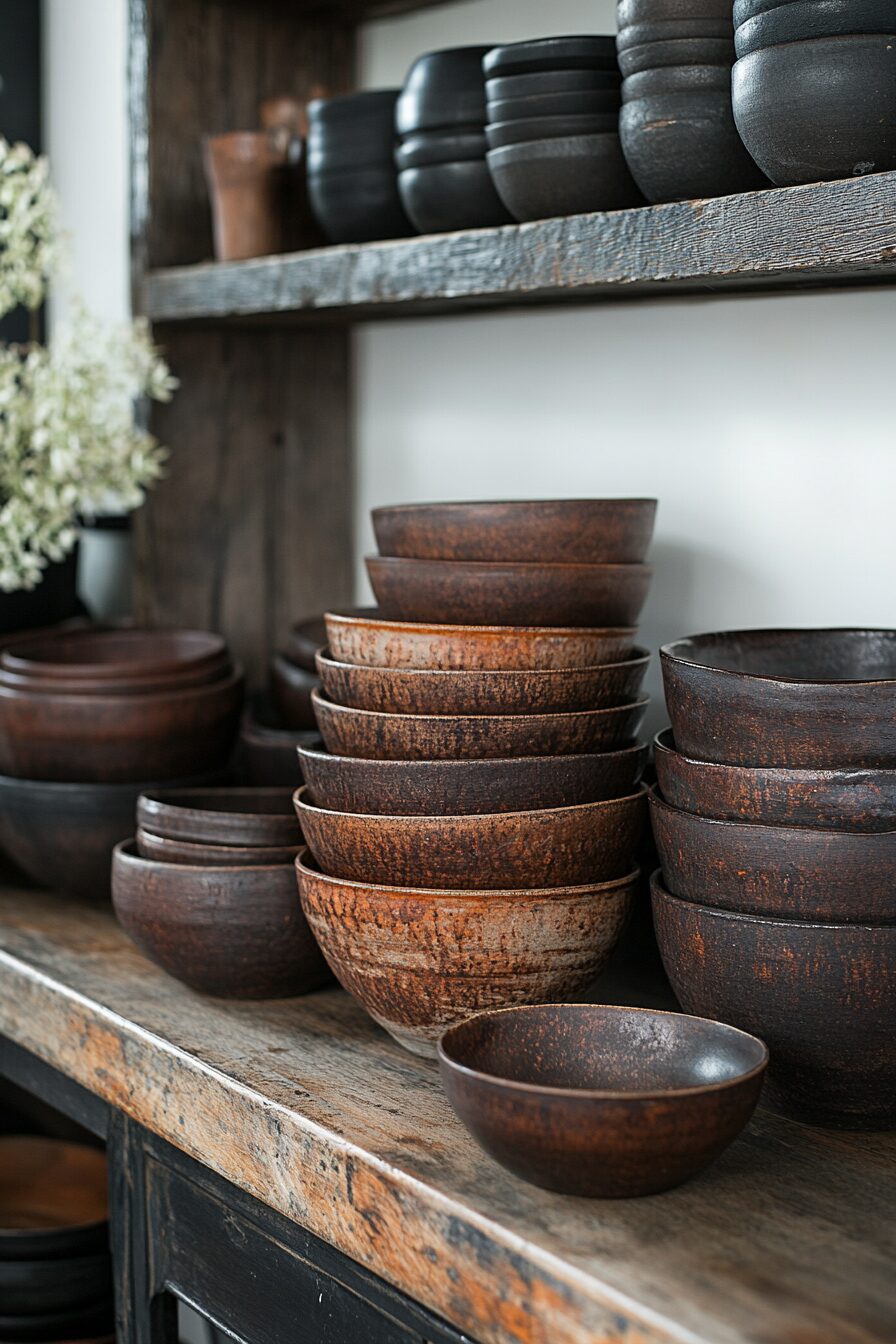
Aged Patina ceramics reveal the beauty of surfaces transformed by time, celebrating their weathered textures. These Wabi Sabi pieces tell stories of endurance and evolution, perfect for adding depth and character to interiors.
🖼 Steal This Look
- Paint Color: Behr Sculptor Clay S210-4
- Furniture: reclaimed wood floating shelves with weathered finish
- Lighting: warm Edison bulb pendant over kitchen island
- Materials: aged wood, hand-thrown ceramics, rustic metal brackets
There’s something deeply satisfying about ceramics that wear their age like badges of honor. These pieces transform a kitchen from merely functional to soulfully lived-in.
5. Raku Radiance
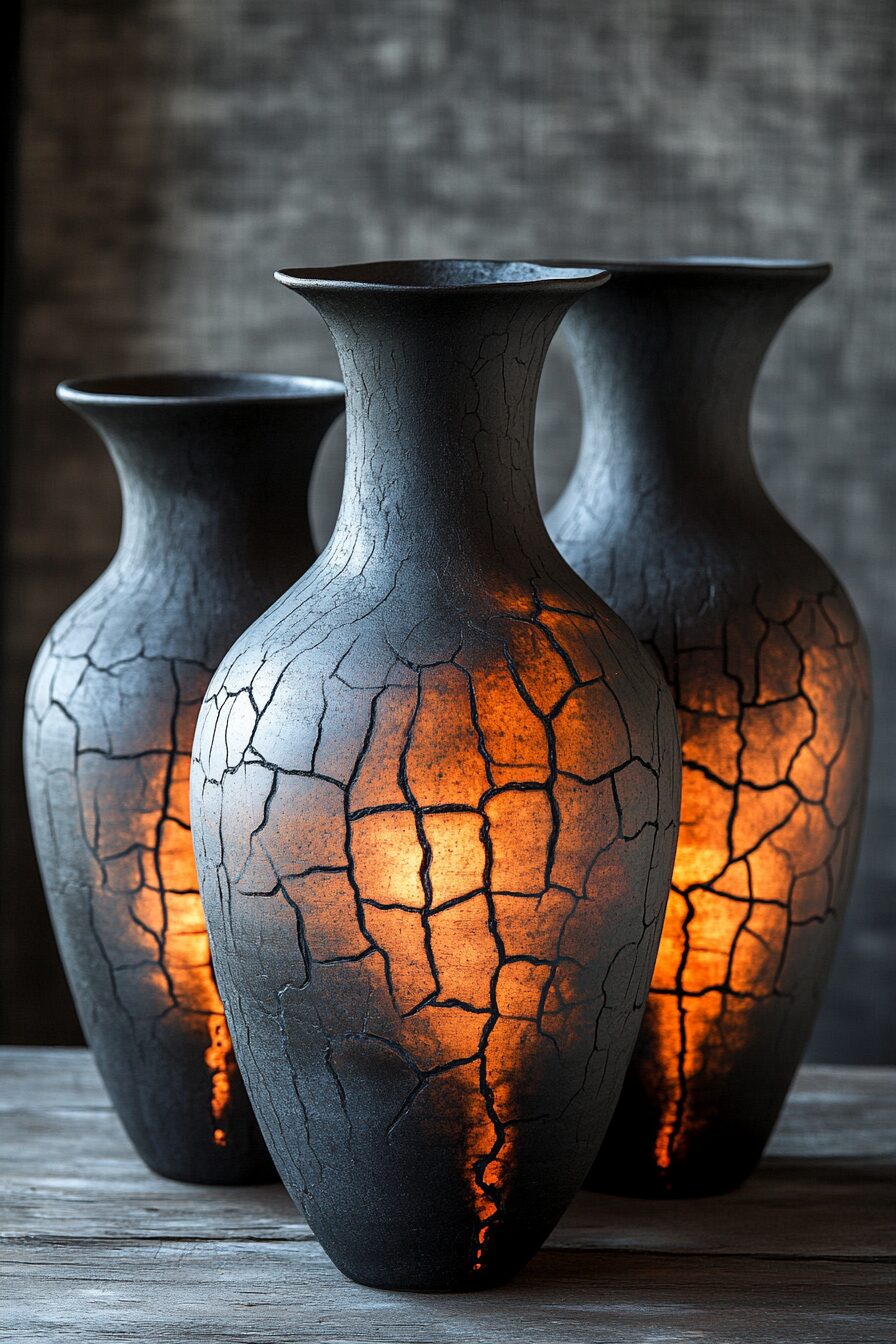
Raku Radiance ceramics embody unpredictability through their crackled glazes and smoky hues, creating striking, unique designs. These bold Wabi Sabi pieces celebrate the accidental beauty of their creation process.
💡 Steal This Look
- Paint Color: Valspar Charcoal Sketch 5007-6C
- Furniture: Raw edge wood dining table with live edge details
- Lighting: Warm amber LED uplighting to enhance ceramic glow
- Materials: Weathered wood surfaces, crackled ceramic textures, raw concrete accents
There’s something mesmerizing about raku ceramics that seem to hold fire within their cracked surfaces. These pieces transform any space into a contemplative sanctuary where imperfection becomes the most beautiful feature.
✓ Get The Look
6. Cracked Elegance
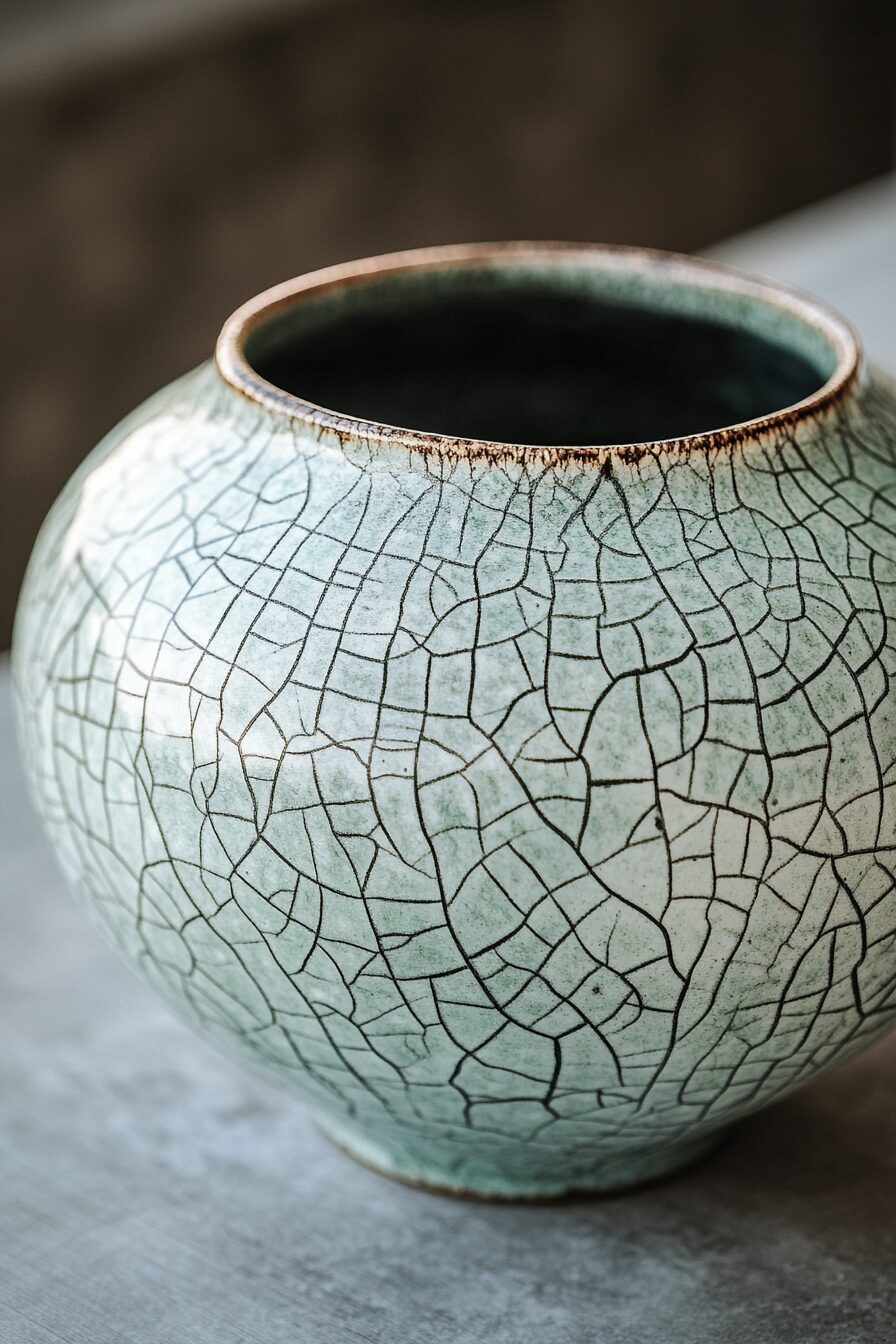
Cracked Elegance highlights visible cracks and flaws in ceramic glazes, embracing their imperfect allure. Each Wabi Sabi piece tells a story of resilience and transformation, adding an artistic element to any room.
🏠 Steal This Look
- Paint Color: PPG Celadon Haze PPG1123-3 – matches the soft sage green crackle glaze visible on the ceramic vessel
- Furniture: reclaimed wood dining table with visible grain and weathered edges
- Lighting: natural fiber pendant light with woven texture
- Materials: crackle-glazed ceramics, weathered wood, natural linen, aged brass accents
There’s something deeply satisfying about ceramics that wear their flaws like badges of honor, transforming what might be considered defects into the most captivating design elements.
7. Uneven Grace
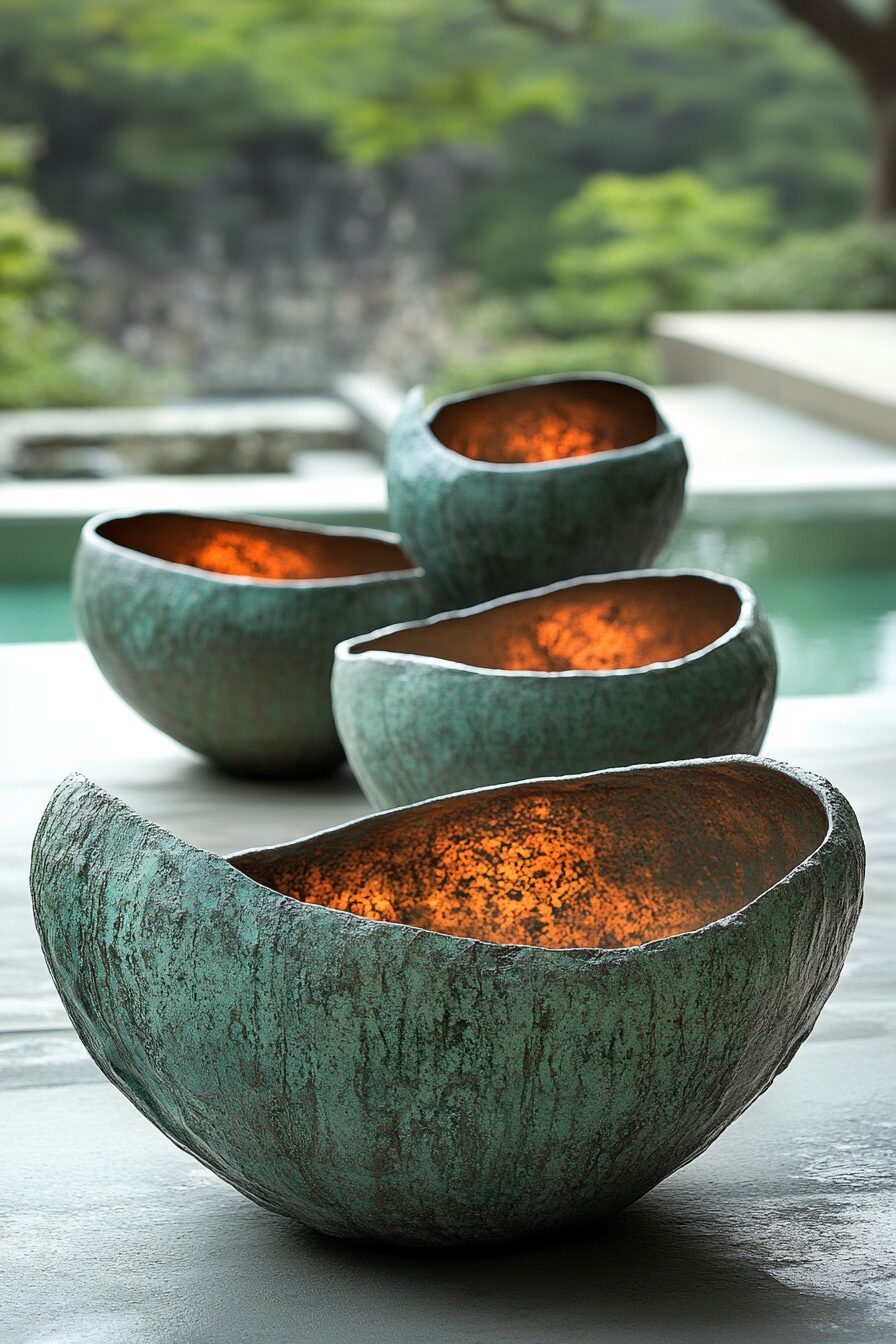
Uneven Grace ceramics feature asymmetrical forms that defy convention, inviting curiosity and admiration. These unconventional Wabi Sabi pieces challenge traditional design rules and celebrate natural, irregular beauty.
🖼 Steal This Look
- Paint Color: Dunn-Edwards Sage Green DE5655
- Furniture: weathered teak dining table with live edge details
- Lighting: warm Edison bulb pendant lights with patinated copper shades
- Materials: oxidized copper accents, weathered wood surfaces, textured ceramic vessels
There’s something deeply satisfying about ceramics that embrace their own imperfections, like these gorgeous pieces with their weathered green exteriors and warm copper interiors. They remind us that beauty lies not in perfection, but in the authentic marks of time and touch.
8. Aged Terracotta
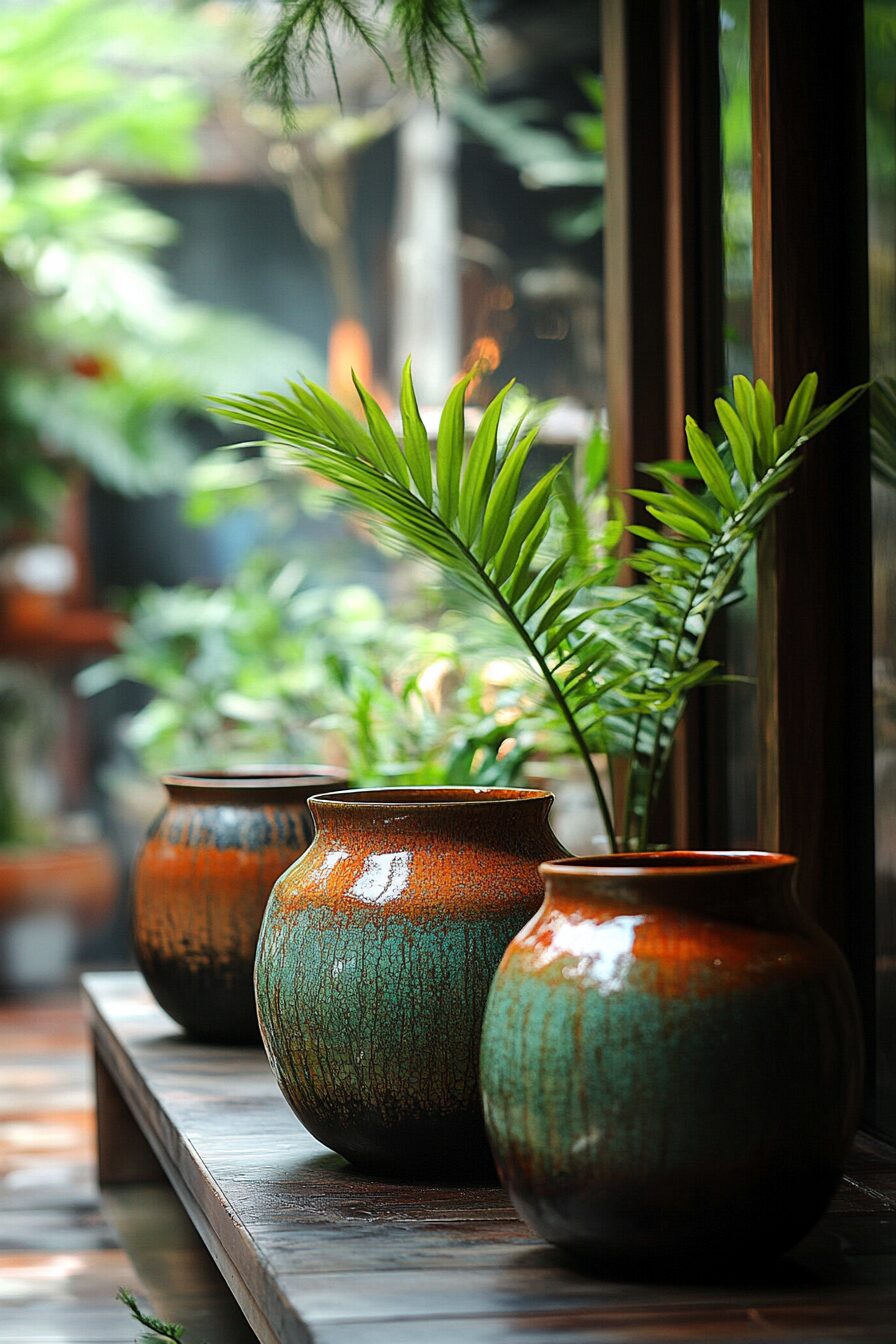
Aged Terracotta ceramics capture the organic evolution of materials exposed to time, bringing warmth and authenticity to spaces. These Wabi Sabi pieces connect interiors to the natural world, perfect for adding an earthy charm.
🏠 Steal This Look
- Paint Color: Clare Paint Forest Green CL-7010
- Furniture: live-edge wooden shelving and natural wood display benches
- Lighting: soft natural window lighting with warm ambient glow
- Materials: weathered terracotta pottery, aged ceramic vessels, and reclaimed wood surfaces
There’s something deeply grounding about aged terracotta that transforms any space into a sanctuary. These earthy vessels tell stories through their weathered surfaces and organic imperfections.
9. Natural Shades
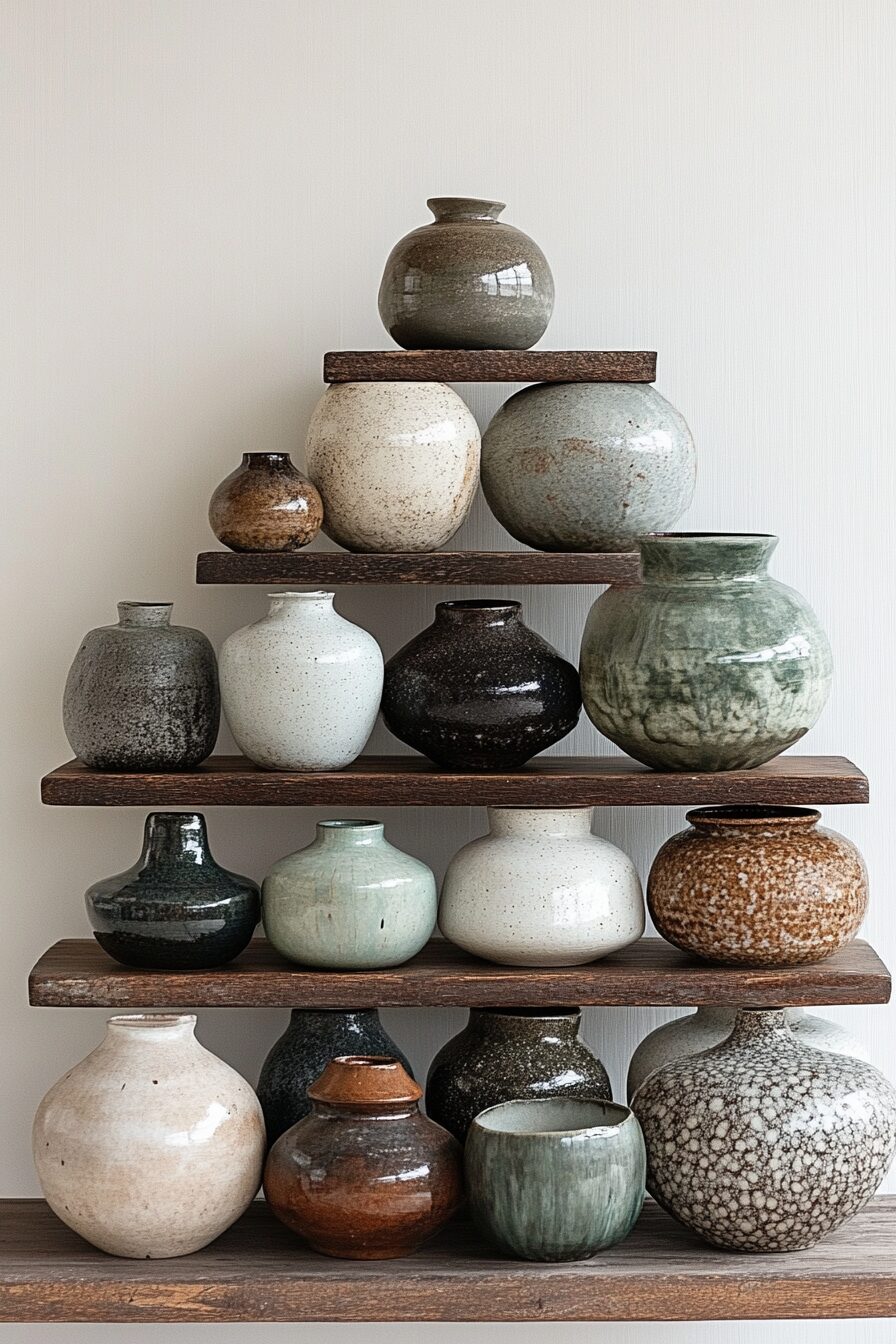
Natural Shades ceramics feature muted, earthy tones that blend seamlessly with any decor style. These Wabi Sabi pieces evoke serenity and harmony, creating spaces that feel both grounded and inviting.
🎨 Steal This Look
- Paint Color: Fine Paints of Europe Shaded White HC-25
- Furniture: Floating walnut wood shelves with live-edge details for ceramic display
- Lighting: Natural window lighting with warm LED track spots for accent illumination
- Materials: Raw walnut wood, speckled ceramic glazes, neutral grasscloth wallcovering
This earthy ceramic collection transforms a simple wall into a meditation on natural beauty, where each handmade imperfection tells its own quiet story.
10. Raw Clay Essence
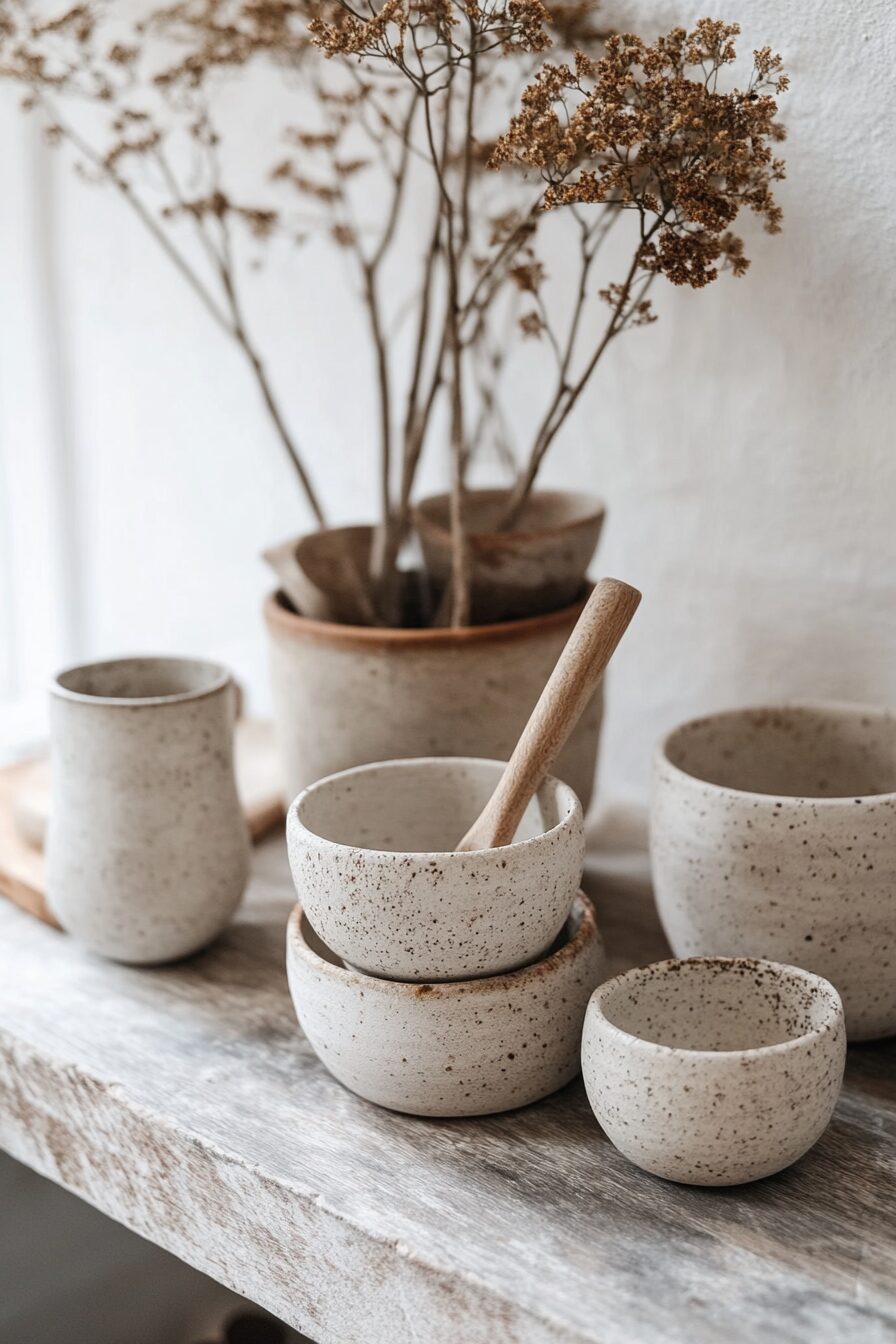
Raw Clay Essence celebrates unglazed ceramics that showcase the raw texture and color of clay. These Wabi Sabi pieces embody authenticity and simplicity, perfect for creating an earthy, grounded atmosphere.
🏠 Steal This Look
- Paint Color: Backdrop Wicker W-3. Match the soft warm white walls with subtle gray undertones visible in the image
- Furniture: natural wood floating shelves and raw wood console tables to display ceramic collections
- Lighting: soft diffused natural lighting from large windows to highlight ceramic textures
- Materials: raw unglazed ceramic bowls, speckled stoneware, natural wood stirring spoons, dried botanical stems
There’s something deeply satisfying about running your fingers along the rough, unglazed surface of handmade ceramics. These raw clay pieces invite you to slow down and appreciate the honest beauty of natural materials in their most authentic form.
11. Handcrafted Touch
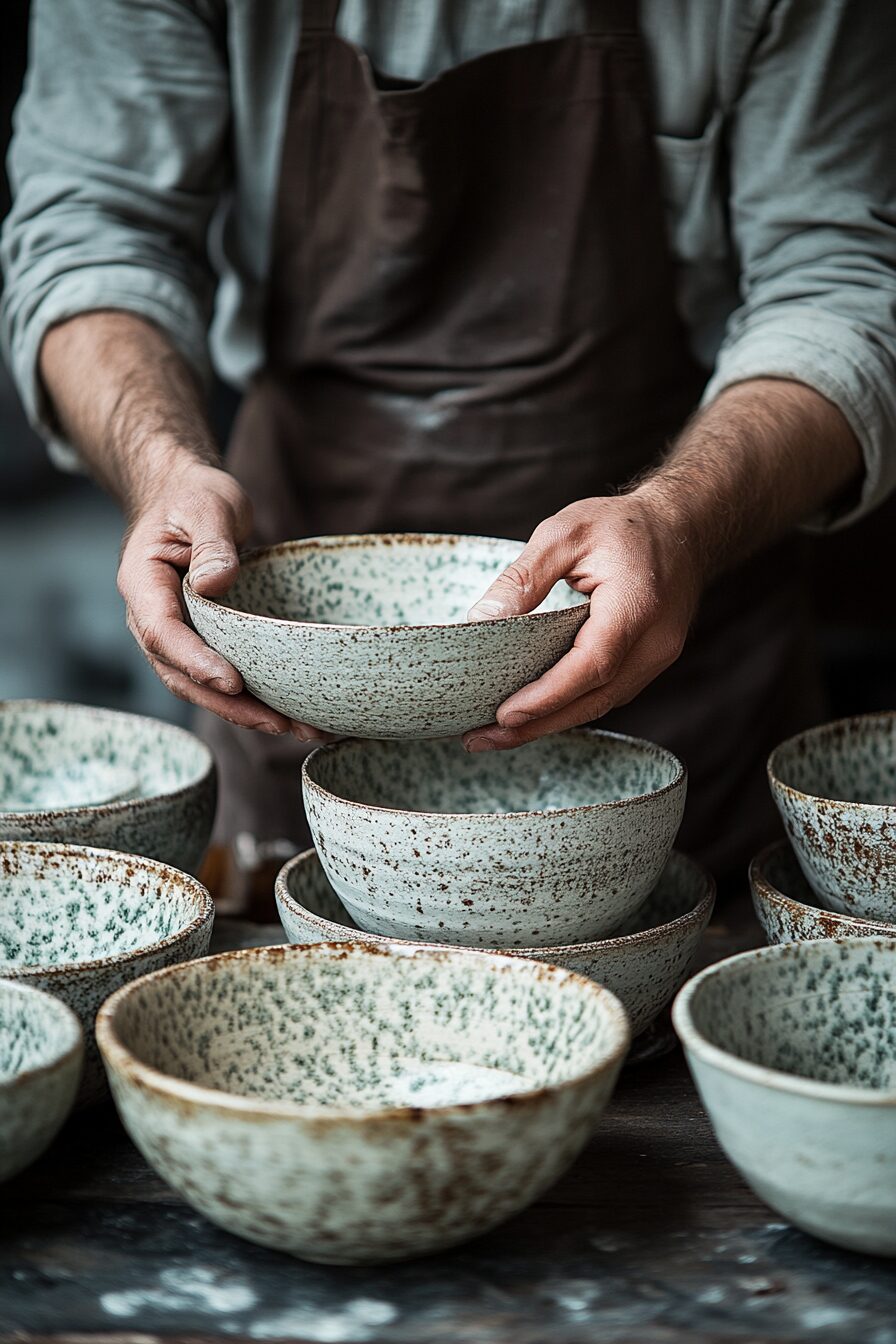
Handcrafted Touch ceramics reflect the artisan’s mark, celebrating individuality and the beauty of handmade imperfections. These Wabi Sabi pieces add a personal, unique element to any decor.
🌟 Steal This Look
- Paint Color: Sherwin-Williams Misty SW 6232
- Furniture: rustic wooden dining table with live edge details
- Lighting: warm Edison bulb pendant lights over workspace
- Materials: speckled ceramic bowls with raw clay edges and natural wood surfaces
There’s something deeply satisfying about holding a handmade ceramic bowl, feeling the subtle ridges from the potter’s fingers and seeing the natural speckles in the glaze. These imperfections aren’t flaws – they’re signatures of human creativity.
12. Softly Weathered
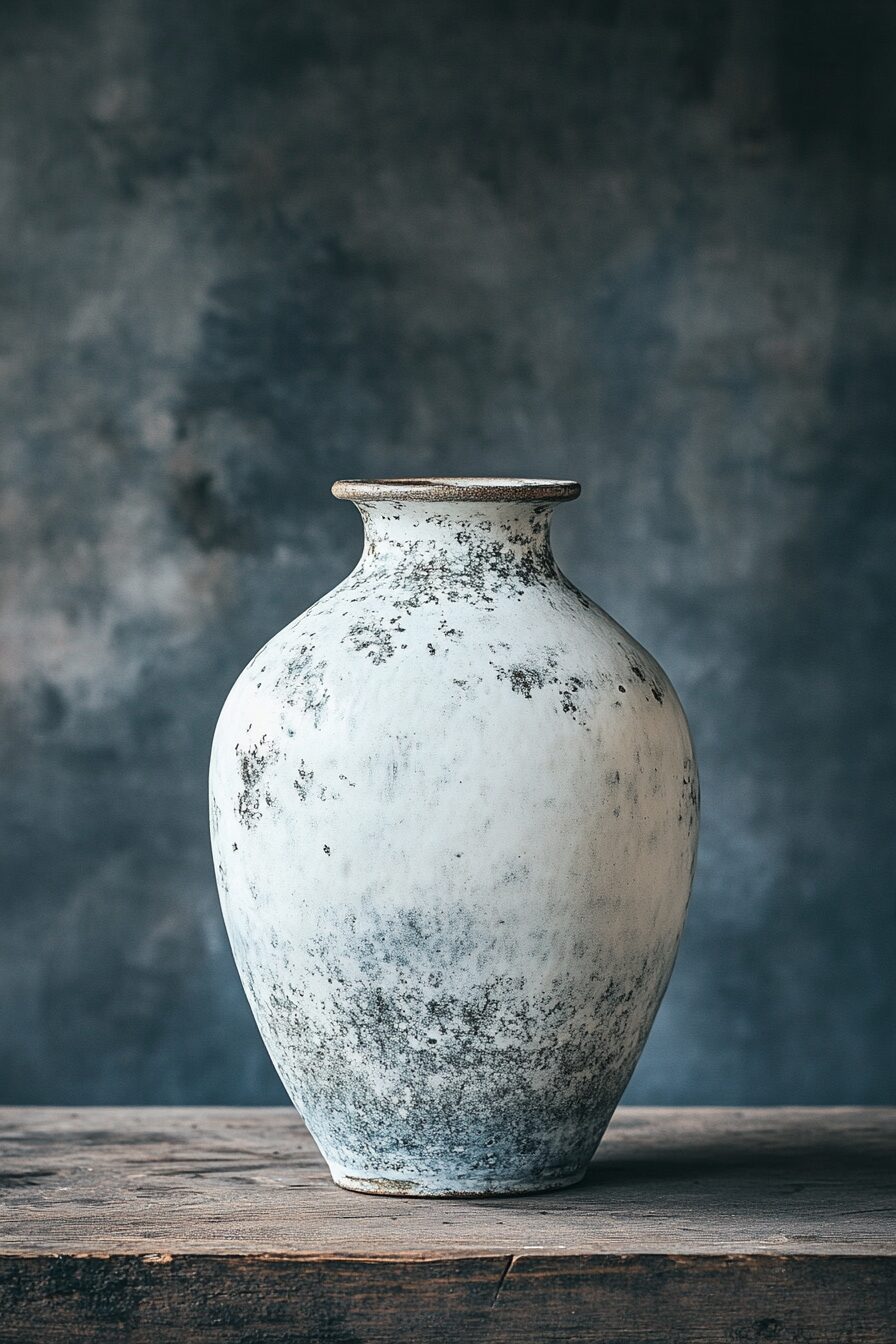
Softly Weathered ceramics feature faded whites and light patinas, evoking a sense of time and quiet beauty. These Wabi Sabi pieces bring understated elegance and warmth to interiors.
★ Steal This Look
- Paint Color: Benjamin Moore Stonington Gray HC-170
- Furniture: weathered wood console table with natural grain and patina
- Lighting: soft natural window light or subtle uplighting
- Materials: aged ceramic, weathered wood, matte finishes with natural patina
There’s something deeply moving about ceramics that wear their age like gentle scars, each mark telling a story of time’s patient touch. This weathered vessel embodies the wabi sabi principle that imperfection holds its own profound beauty.
13. Textural Appeal
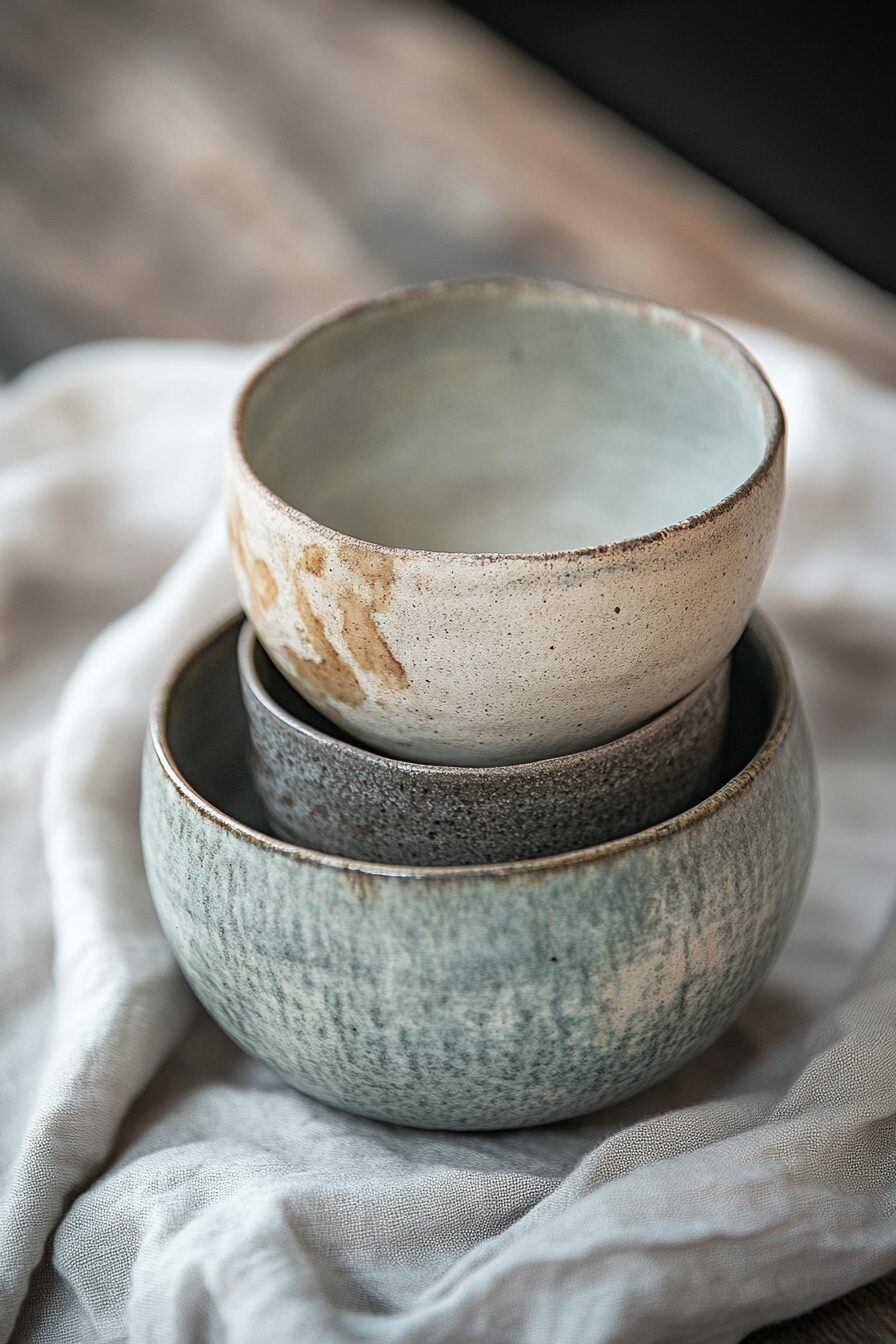
Textural Appeal ceramics engage the senses with their tactile surfaces, from rough edges to smooth finishes. These interactive Wabi Sabi pieces invite exploration and appreciation for materiality.
🌟 Steal This Look
- Paint Color: Farrow & Ball Joa’s White No.226
- Furniture: natural linen dining chairs with organic curved backs
- Lighting: warm pendant light with ceramic shade in sage green
- Materials: handwoven linen table runners, raw ceramic bowls, weathered wood dining table
There’s something deeply satisfying about running your fingers along the rough rim of a handmade bowl, feeling the story of its creation. These textural contrasts make every meal feel more intentional and connected to craft.
14. Natural Openings
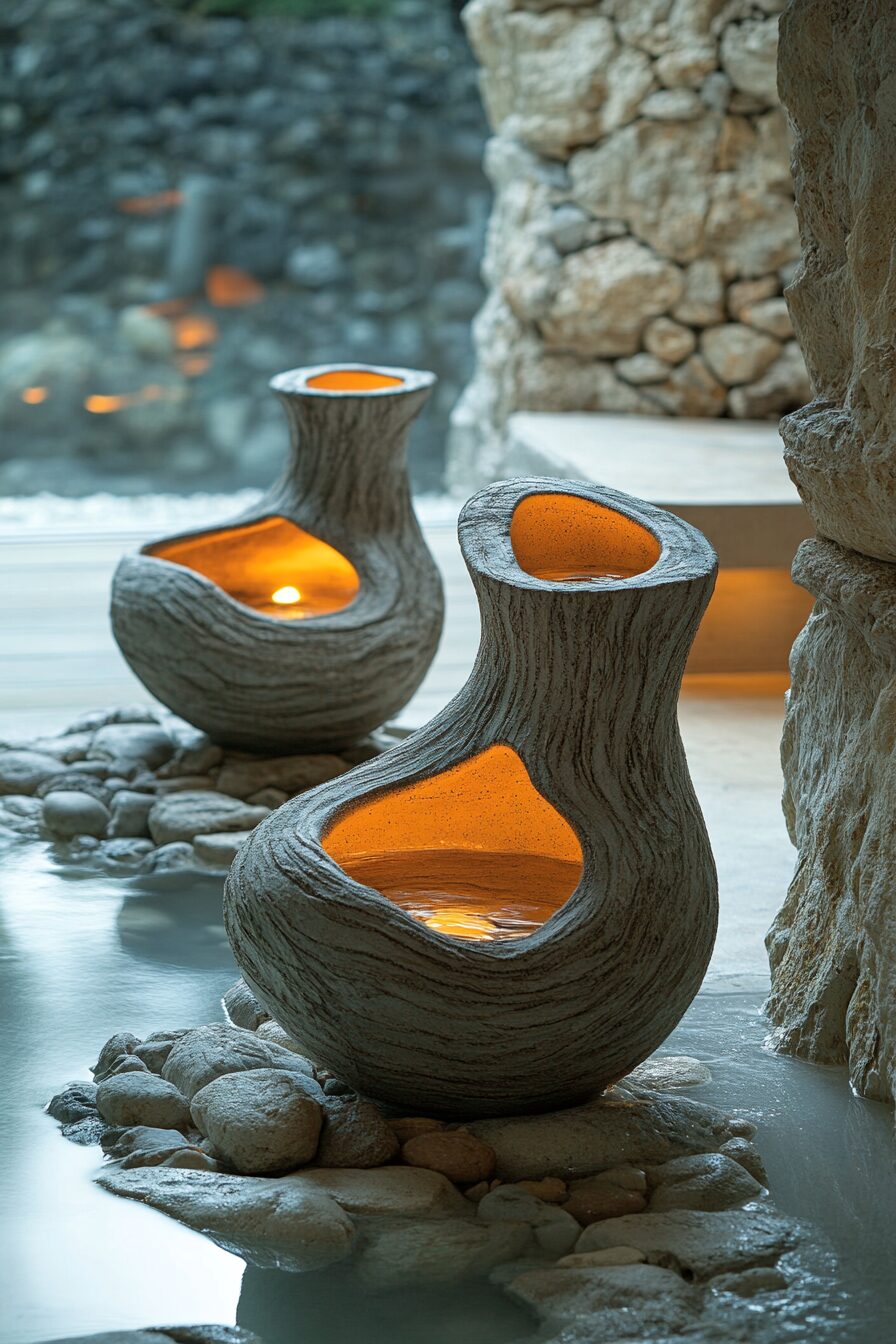
Natural Openings ceramics feature irregular, flowing forms inspired by natural growth patterns. These sculptural Wabi Sabi pieces add intrigue and organic beauty to interiors.
🌟 Steal This Look
- Paint Color: Behr Elephant Skin PPU18-14 – matches the soft gray stone walls visible in the background
- Furniture: natural edge wood console table with river stones and organic ceramic vessels
- Lighting: warm amber LED candle lights inside sculptural ceramic luminaires
- Materials: raw clay ceramics with natural texture, smooth river stones, weathered wood surfaces
There’s something deeply calming about these glowing ceramic forms that reminds me of discovering hidden treasures in a moonlit cave. The warm amber light filtering through the natural openings creates an almost spiritual ambiance.
15. Primitive Coils
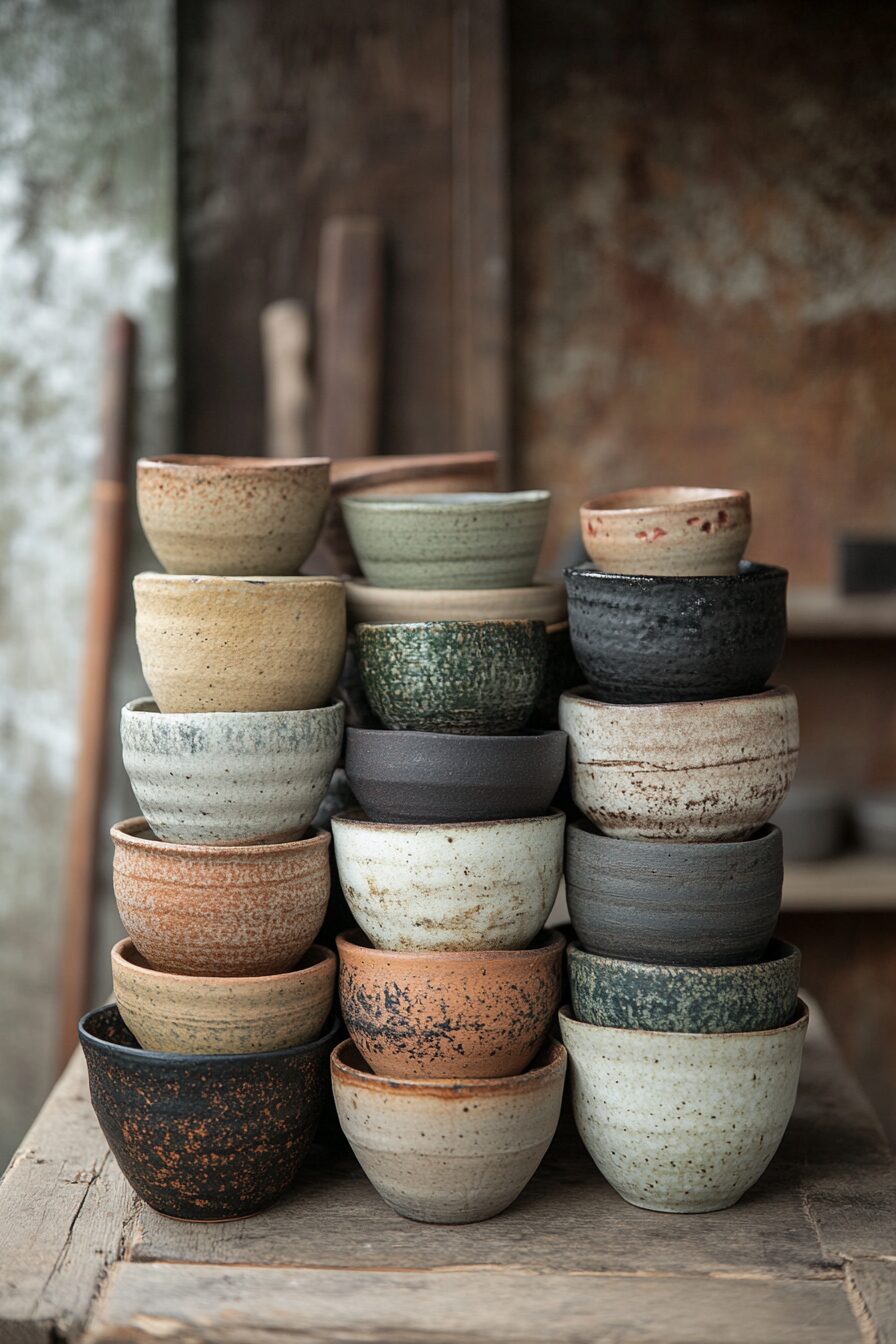
Primitive Coils ceramics celebrate ancient coil-building techniques, highlighting their rustic charm and cultural history. These handcrafted Wabi Sabi pieces evoke authenticity and artisanal warmth.
✎ Steal This Look
- Paint Color: Valspar Weathered Brown 1011-3 to match the warm rustic brown tones visible on the wooden surfaces and background
- Furniture: rustic wooden shelving units and reclaimed wood display tables for showcasing handmade ceramics
- Lighting: warm Edison bulb pendant lights to enhance the artisanal pottery textures
- Materials: raw wood planks, natural clay textures, and unfinished ceramic surfaces
There’s something deeply satisfying about running your fingers along these imperfect rims and feeling the maker’s hand in every subtle wobble and texture variation.
16. Stoneware Charm
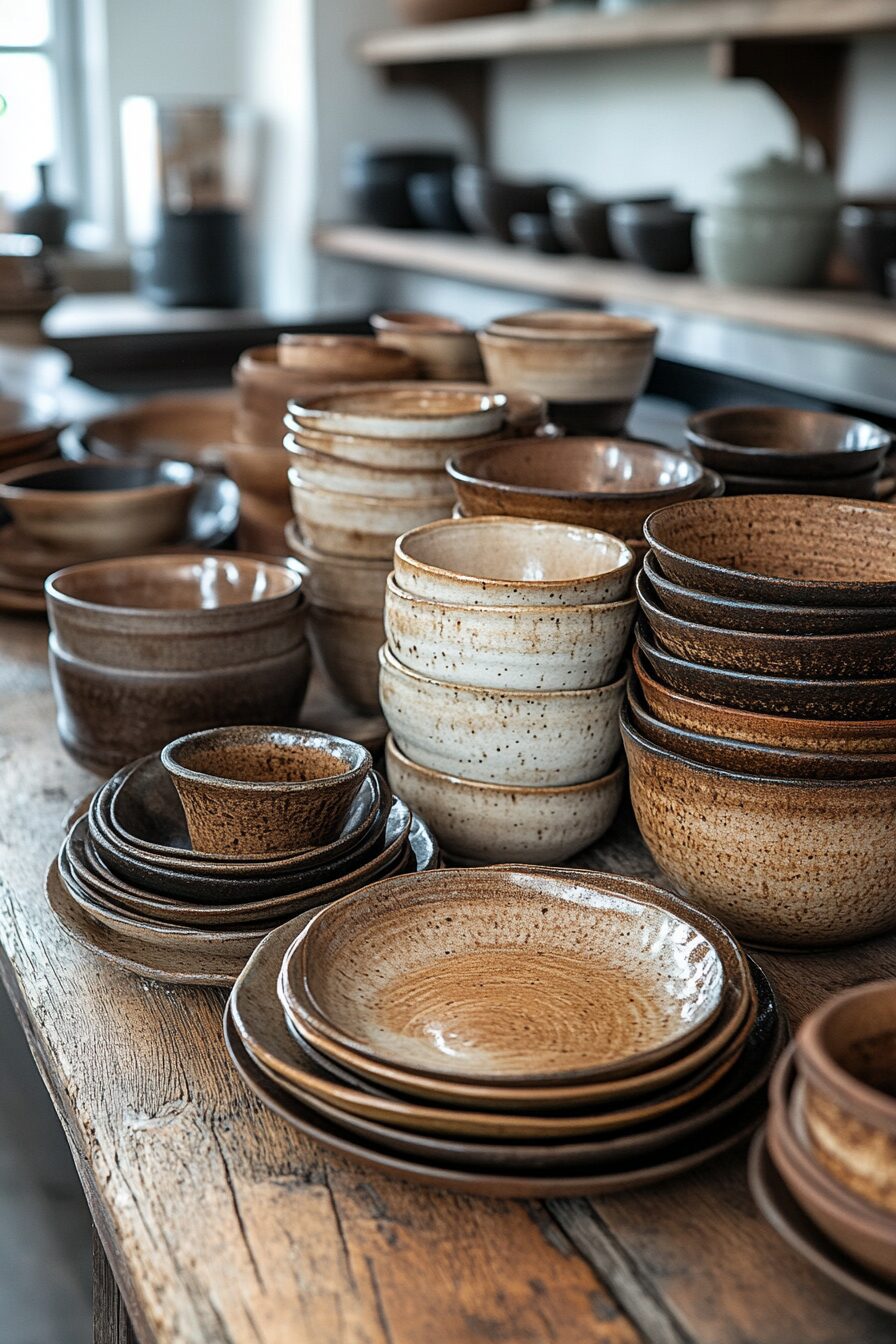
Stoneware Charm ceramics showcase their enduring durability and natural patinas, ideal for everyday use. These Wabi Sabi pieces tell stories of resilience and history, anchoring spaces with their rustic appeal.
★ Steal This Look
- Paint Color: PPG Dove Gray PPG1010-3
- Furniture: rustic reclaimed wood dining table with natural grain patterns
- Lighting: warm pendant lights with brass or copper finishes
- Materials: weathered wood surfaces, handcrafted stoneware ceramics, natural fiber textiles
There’s something deeply satisfying about stoneware that shows its age and use – these pieces become more beautiful with every meal shared.
17. Rough Finishes
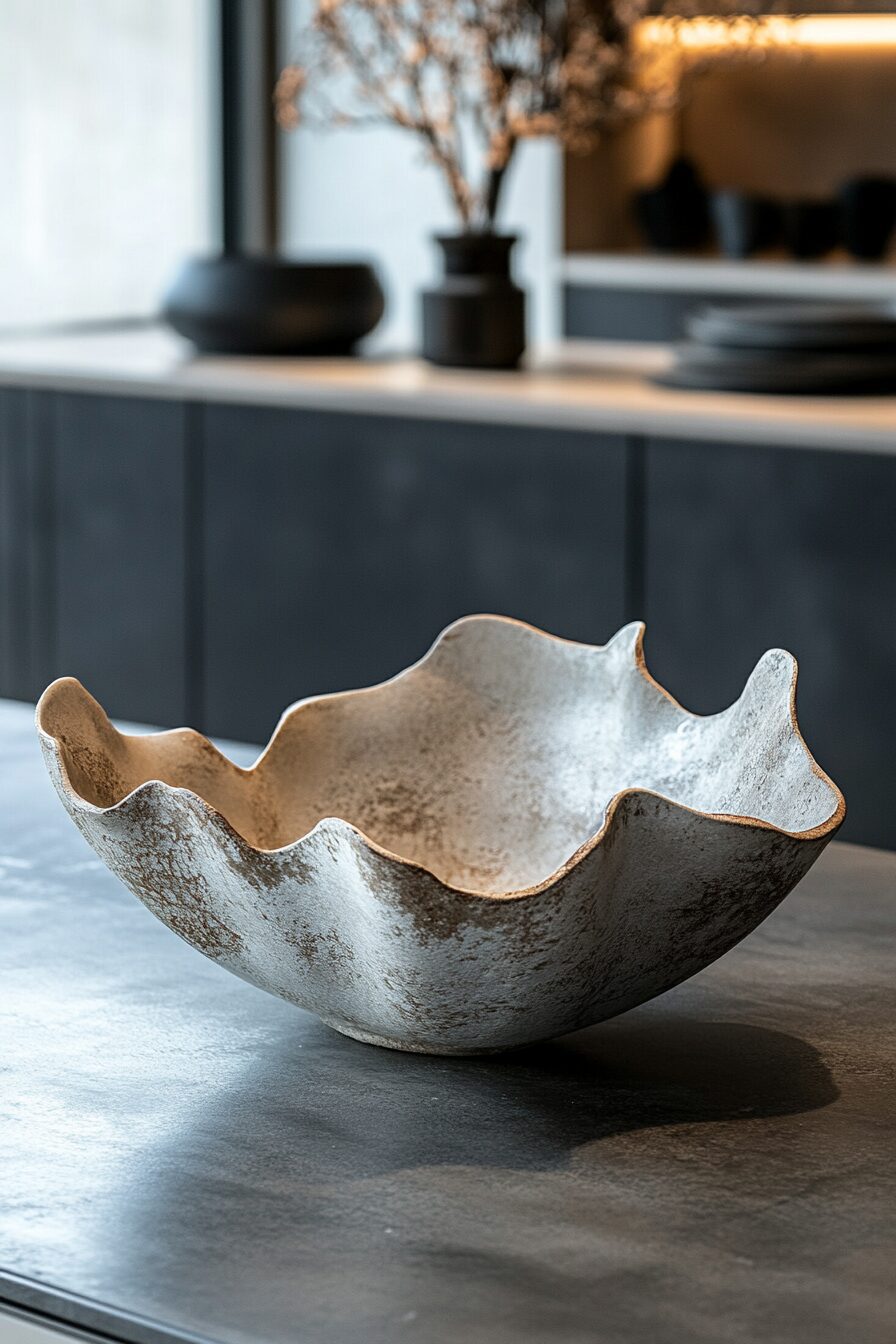
Rough Finishes ceramics embrace raw, unfinished surfaces, celebrating imperfection as beauty. These bold Wabi Sabi pieces add texture and character to any room.
✎ Steal This Look
- Paint Color: Dunn-Edwards Storm Cloud DE6307 – matches the deep blue-gray kitchen cabinetry visible in the background
- Furniture: Light wood butcher block countertops and sleek handleless lower cabinets in matte finish
- Lighting: Warm recessed LED lighting with soft ambient glow
- Materials: Raw ceramic with speckled glaze, natural wood grain, and smooth stone countertops
This sculptural ceramic bowl proves that imperfection can be the most sophisticated design choice. Its weathered, speckled surface transforms an ordinary kitchen island into a gallery-worthy vignette.
18. Glaze Artistry
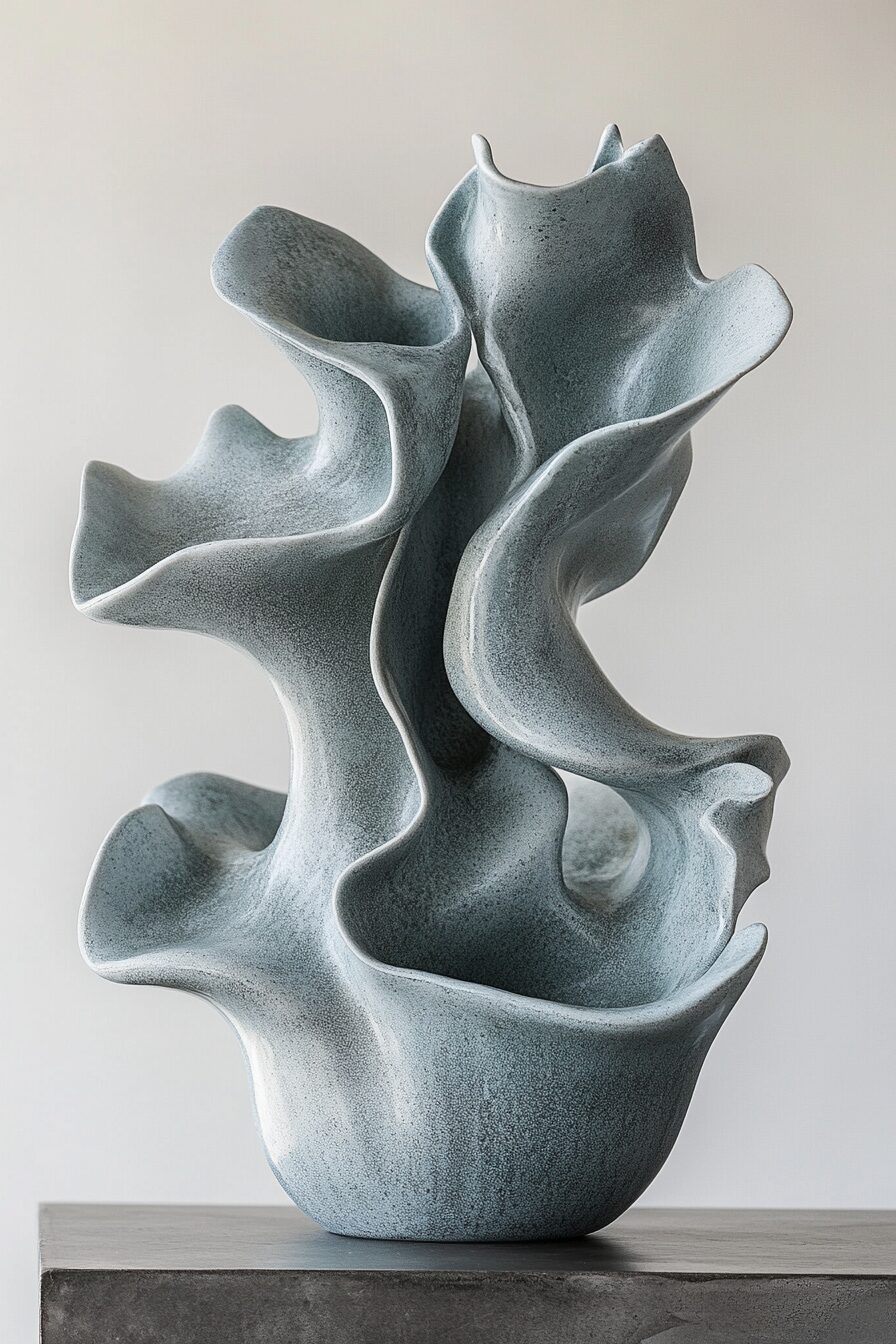
Glaze Artistry ceramics highlight expressive, spontaneous glaze patterns that celebrate creativity and chance. These unique Wabi Sabi pieces add color and movement to interiors.
🏠 Steal This Look
- Paint Color: Clare Paint Current Mood C102 – matches the soft sage-gray ceramic tones against the warm neutral backdrop
- Furniture: Raw oak or reclaimed wood floating shelves to display ceramic collections
- Lighting: Gallery track lighting with adjustable spotlights to highlight sculptural ceramics
- Materials: Natural linen textures, unfinished wood surfaces, and matte ceramic finishes
There’s something deeply satisfying about ceramics that embrace imperfection – each piece tells its own story through unpredictable glaze flows and organic shapes. This sculptural vase proves that the most beautiful art happens when we let go of control.
19. Charcoal Burnish
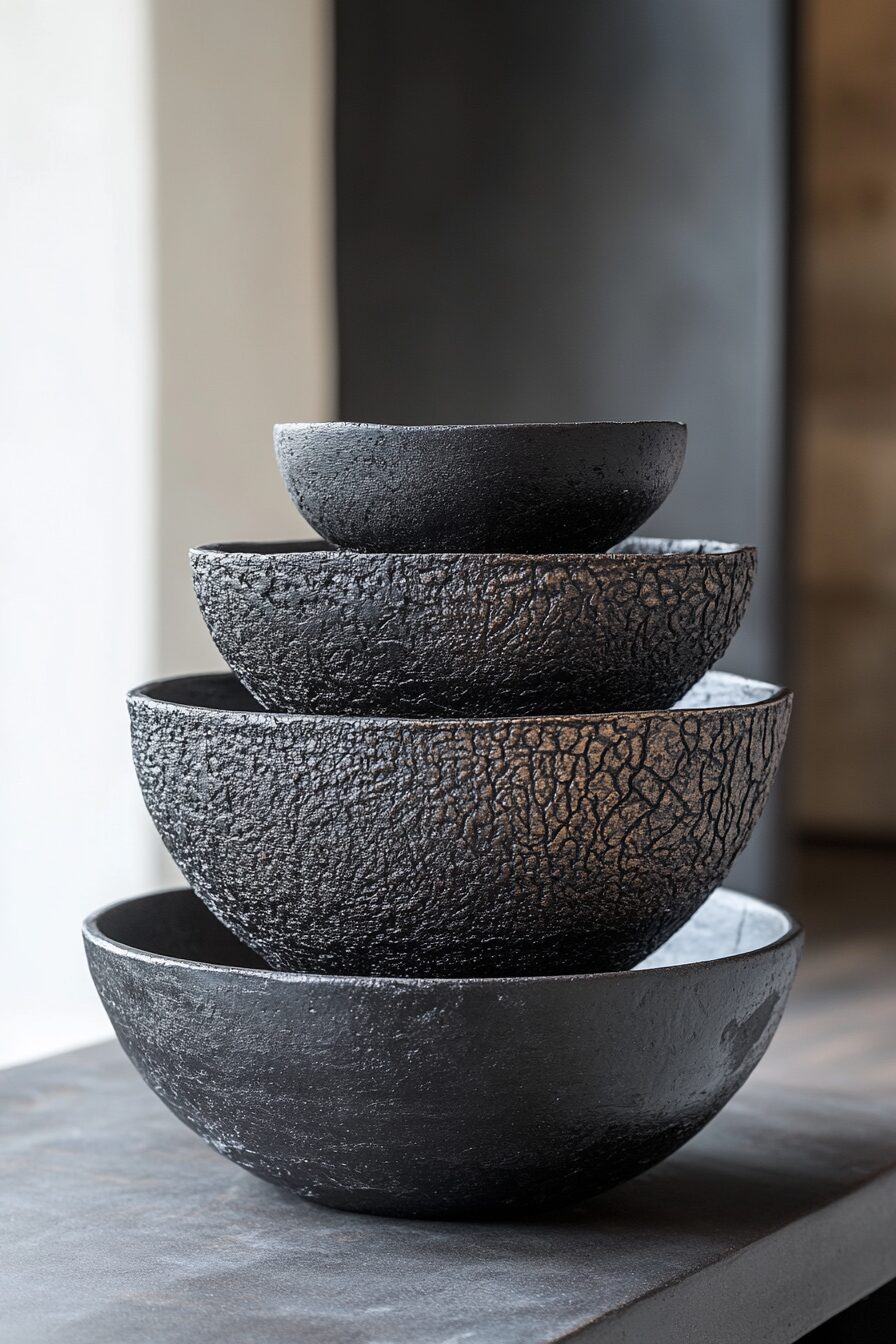
Charcoal Burnish ceramics feature dark, smoky finishes achieved through high-temperature firing. These dramatic Wabi Sabi pieces add a striking, earthy contrast to any decor.
💡 Steal This Look
- Paint Color: Fine Paints of Europe Charcoal Grey 44
- Furniture: dark wood dining table with natural grain
- Lighting: minimal black metal pendant light
- Materials: rough textured ceramics, dark stone surfaces, matte black finishes
There’s something deeply satisfying about the tactile quality of charcoal burnish ceramics – their rough, smoky surfaces invite touch and contemplation in our overly polished world.
20. Golden Repairs
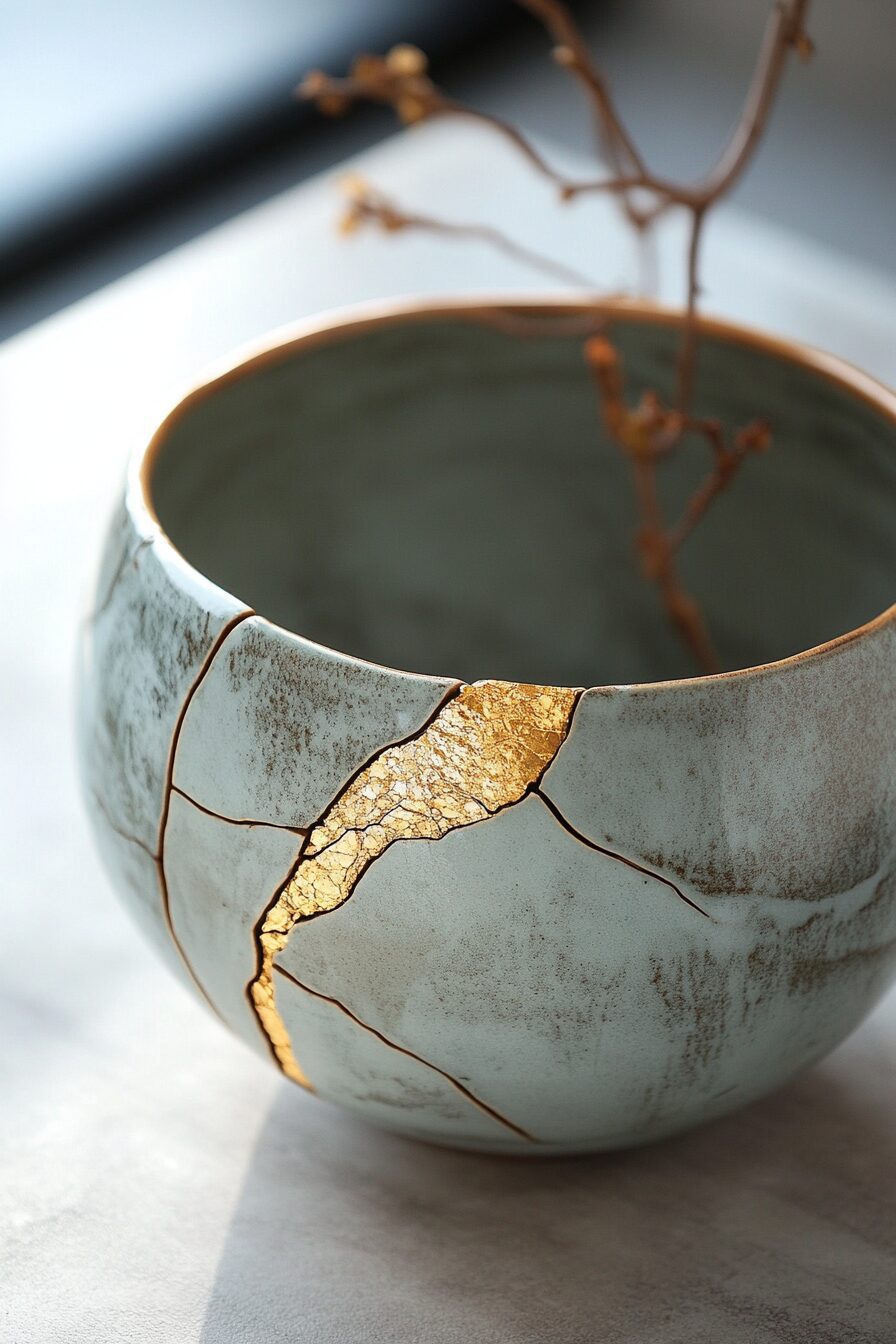
Golden Repairs ceramics celebrate kintsugi, the art of repairing cracks with gold to highlight imperfections. These Wabi Sabi pieces symbolize resilience and renewal, adding depth and meaning to interiors.
💡 Steal This Look
- Paint Color: use Backdrop brand. Backdrop Sage Green BG-23 to match the muted sage-green ceramic tones visible in the image
- Furniture: natural wood dining table with live edge details and visible grain imperfections
- Lighting: warm brass pendant light with hammered texture finish
- Materials: raw ceramic textures, gold leaf accents, weathered wood surfaces, and natural linen textiles
There’s something deeply moving about ceramics that wear their scars as golden crowns. This philosophy transforms our relationship with imperfection into one of reverence.
🔔 Get The Look
21. Elemental Shapes
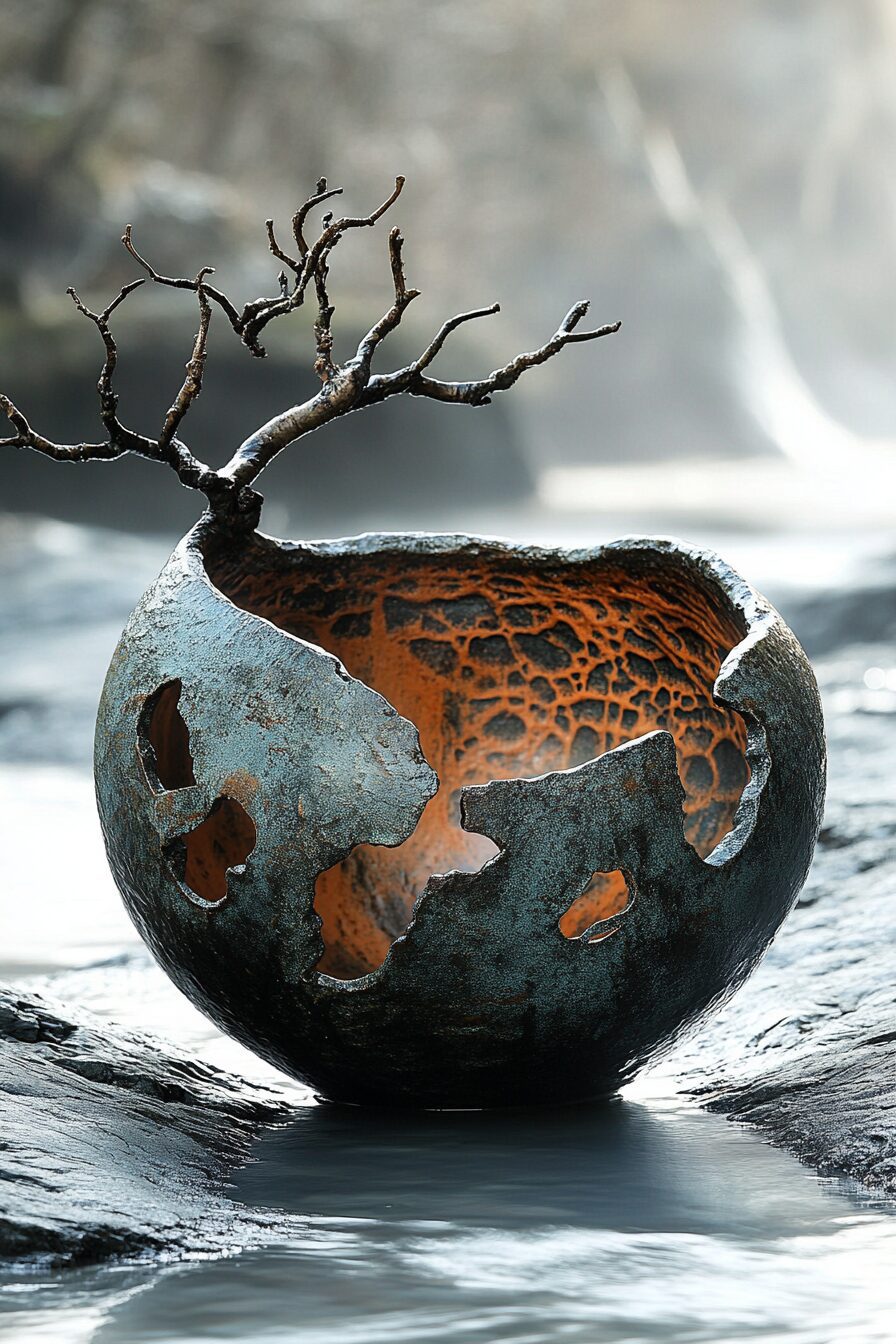
Elemental Shapes ceramics reflect forms influenced by nature, creating pieces that feel organic and timeless. These Wabi Sabi designs connect interiors to the natural world, fostering tranquility.
🖼 Steal This Look
- Paint Color: Sherwin-Williams Accessible Beige SW 7036
- Furniture: Live-edge wooden console table with natural bark detailing
- Lighting: Driftwood table lamp with warm LED bulb
- Materials: Raw ceramic vessels, weathered wood surfaces, natural fiber textures
There’s something deeply grounding about ceramics that embrace their flaws and celebrate natural forms. These pieces remind us that beauty exists in imperfection and the passage of time.
22. Textured Foundations
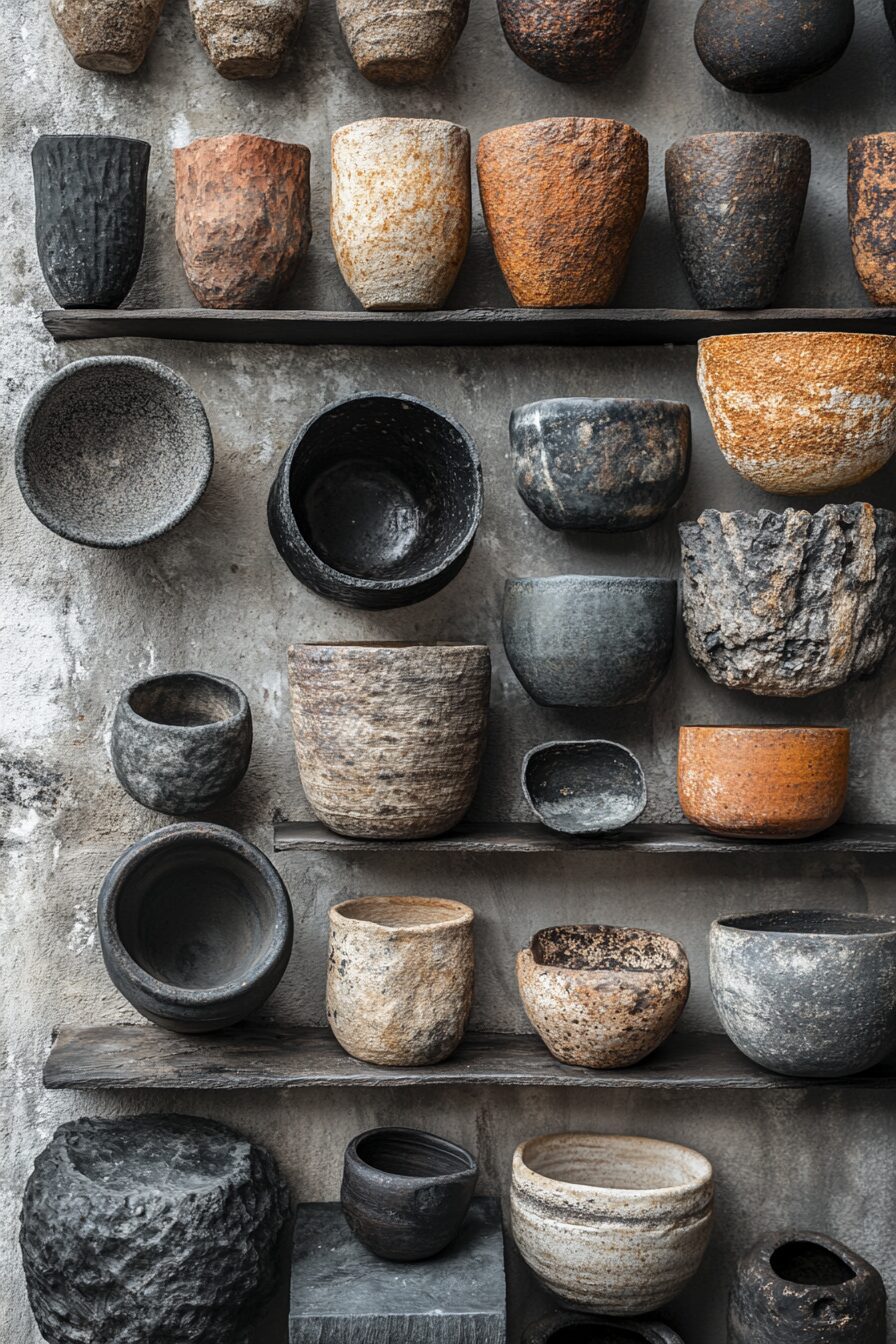
Textured Foundations ceramics celebrate the tactile and visual richness of natural surfaces. These Wabi Sabi pieces bring a grounded, artisanal touch to interiors.
🖼 Steal This Look
- Paint Color: Benjamin Moore Stonington Gray HC-170
- Furniture: raw wood floating shelves with live edge details
- Lighting: matte black track lighting with adjustable spotlights
- Materials: rough-hewn wood, unfinished concrete, oxidized metal accents
There’s something deeply satisfying about running your fingers along the rough, uneven surfaces of these handcrafted vessels. Each piece tells a story through its unique texture and organic imperfections.
23. Turquoise Flow
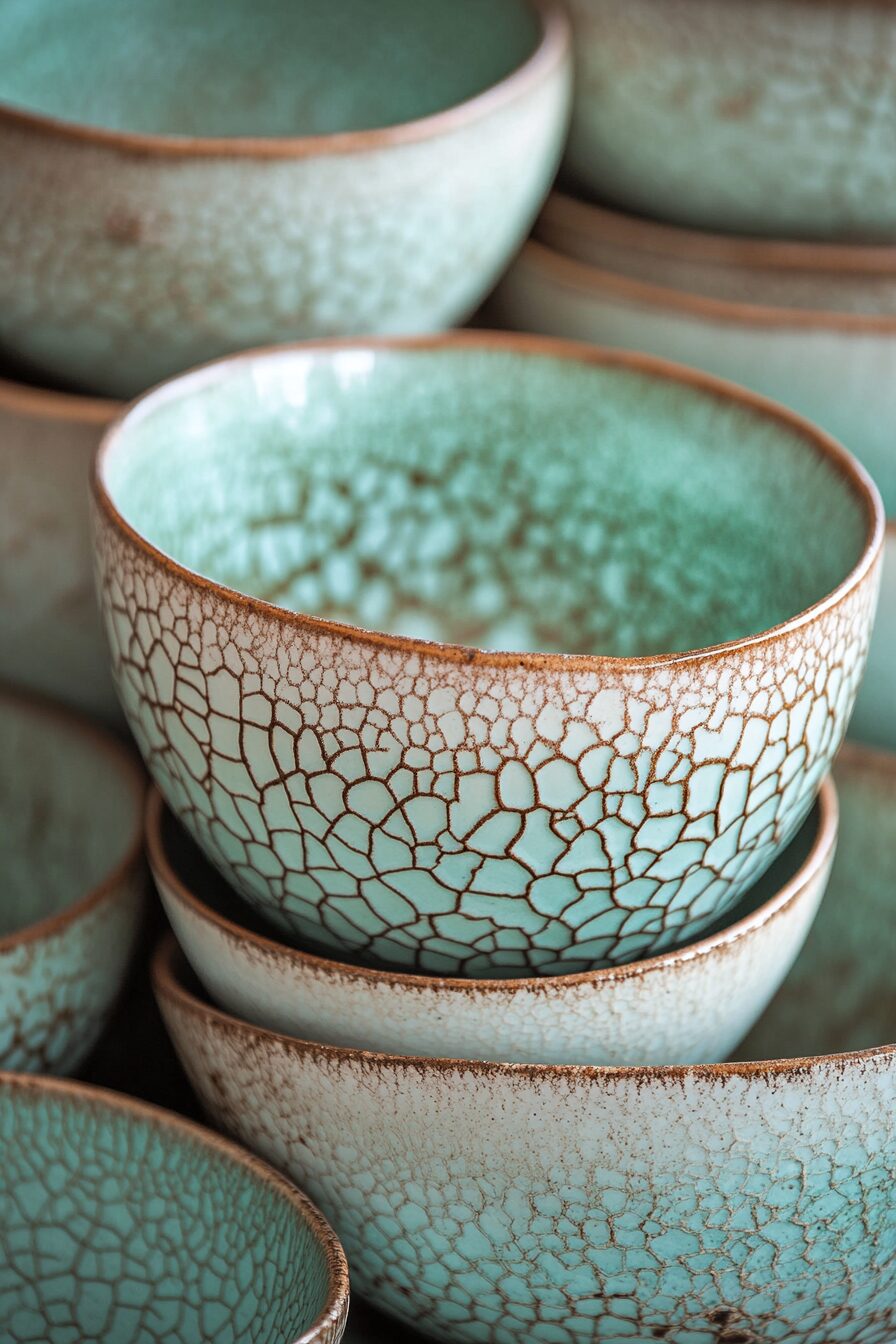
Turquoise Flow ceramics introduce vibrant turquoise accents that add lively contrast to Wabi Sabi designs. These dynamic pieces highlight the serendipitous beauty of color variation.
🖼 Steal This Look
- Paint Color: Farrow & Ball Teresa’s Green 236
- Furniture: reclaimed teak dining table with live edge details
- Lighting: ceramic pendant light with crackle glaze finish
- Materials: crackle-glazed ceramics, terracotta clay, raw linen textiles
These turquoise crackle bowls perfectly embody wabi sabi’s embrace of beautiful imperfection. The organic crazing patterns tell the story of the firing process, making each piece a meditation on time and natural forces.
✓ Get The Look
24. Speckled Layers
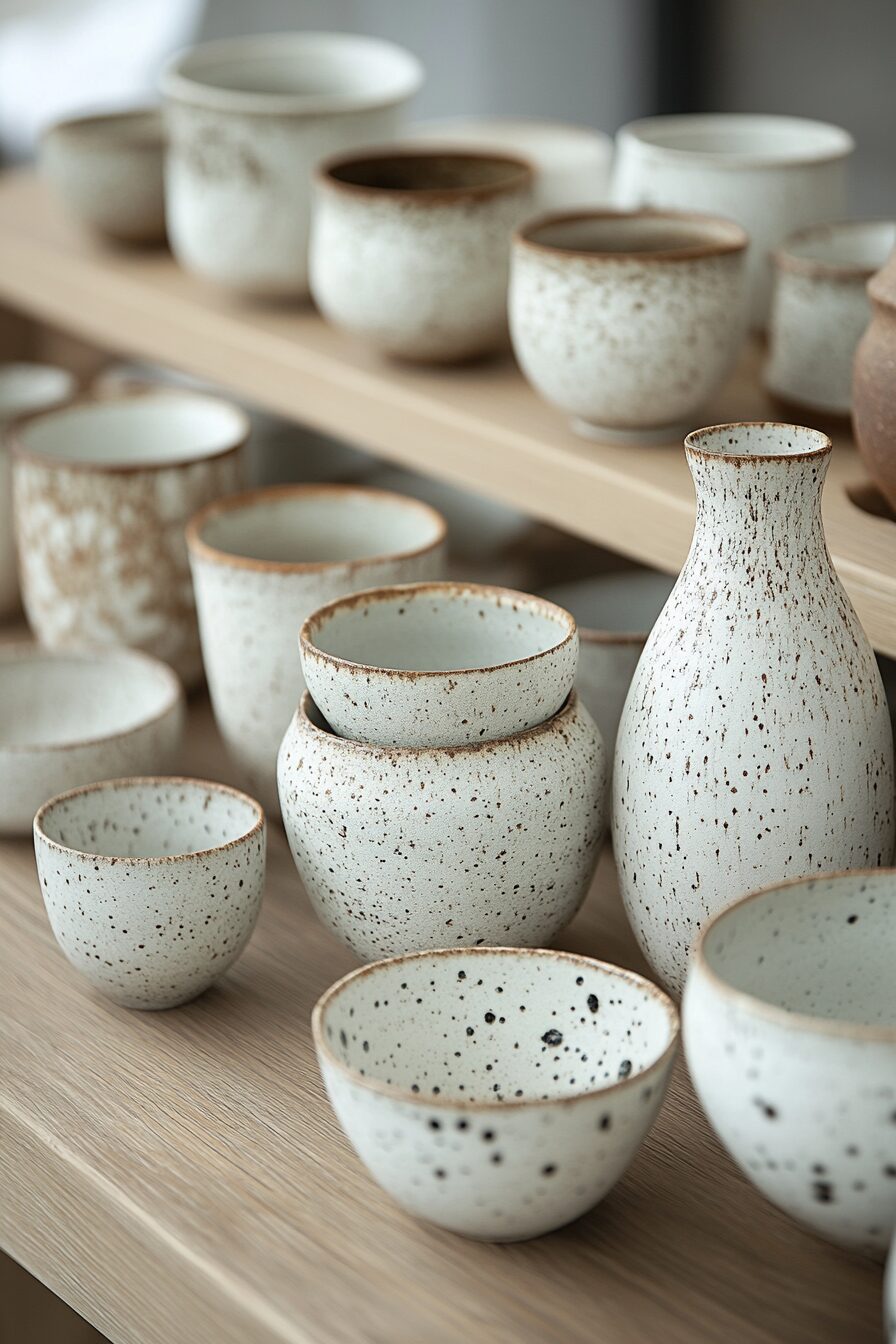
Speckled Layers ceramics feature lightly speckled glazes that add subtle depth and interest. These refined Wabi Sabi pieces enhance interiors with their delicate patterns.
🖼 Steal This Look
- Paint Color: Behr Misty Coast S190-1
- Furniture: natural wood floating shelves and light oak display stands
- Lighting: soft pendant lights with warm LED bulbs
- Materials: speckled ceramic glazes, raw wood grain, and matte finishes
These handcrafted speckled ceramics bring that perfect imperfect beauty that makes everyday rituals feel more intentional and grounded.
25. Faded Patterns
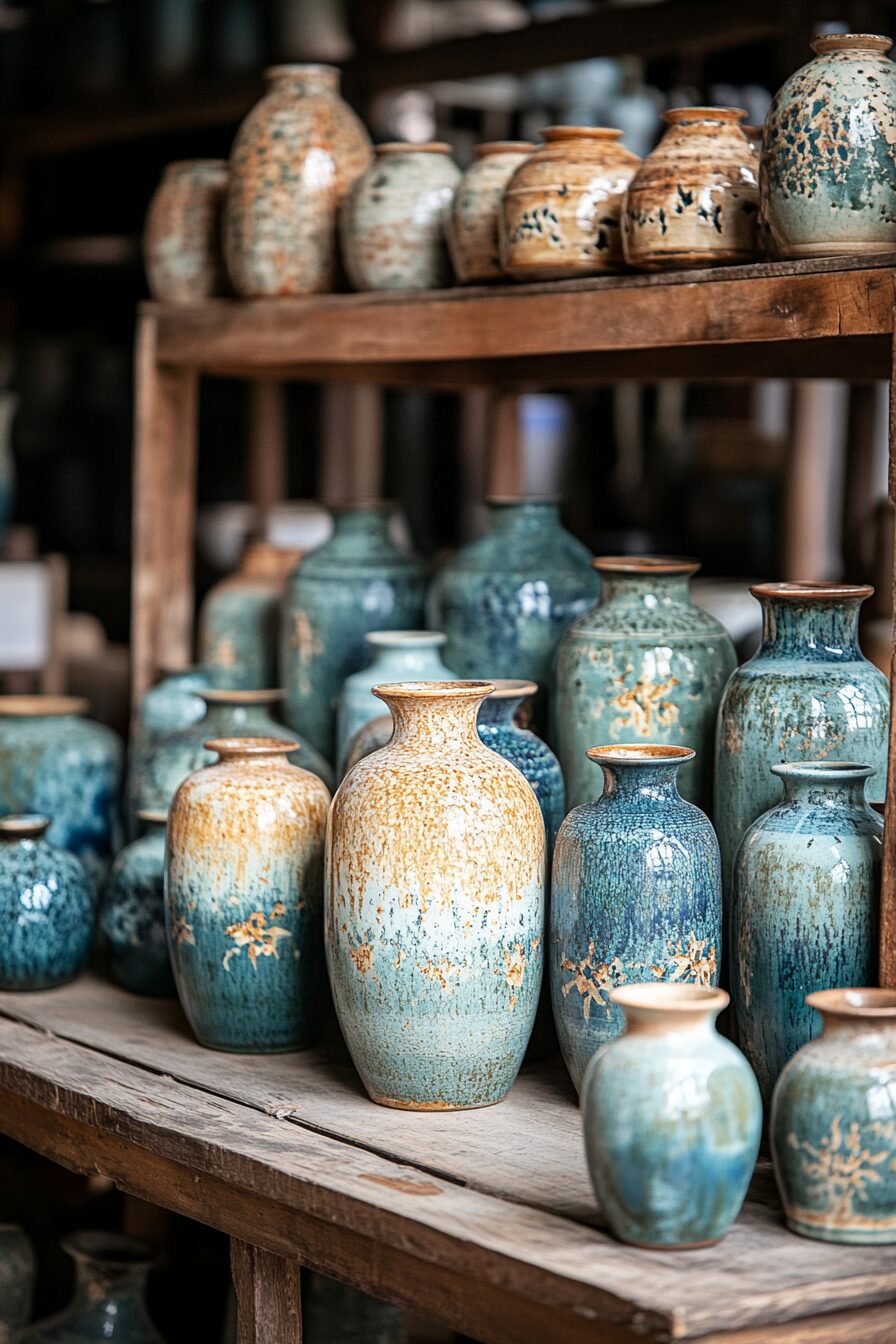
Faded Patterns ceramics highlight naturally worn designs that evoke stories of age and use. These Wabi Sabi pieces add subtle history and charm to spaces.
✎ Steal This Look
- Paint Color: Valspar Misty Aqua 5002-2B to match the dominant sage-blue ceramic tones visible throughout the collection
- Furniture: Weathered wood display shelving with open slat construction for ceramic collections
- Lighting: Soft natural window light to enhance ceramic glazes and patina
- Materials: Raw wood planking, matte ceramic glazes, and naturally aged patinas
There’s something deeply satisfying about ceramics that tell their own stories through faded patterns and worn edges. These pieces bring an authentic sense of history that no new item can replicate.
26. Potter’s Marks
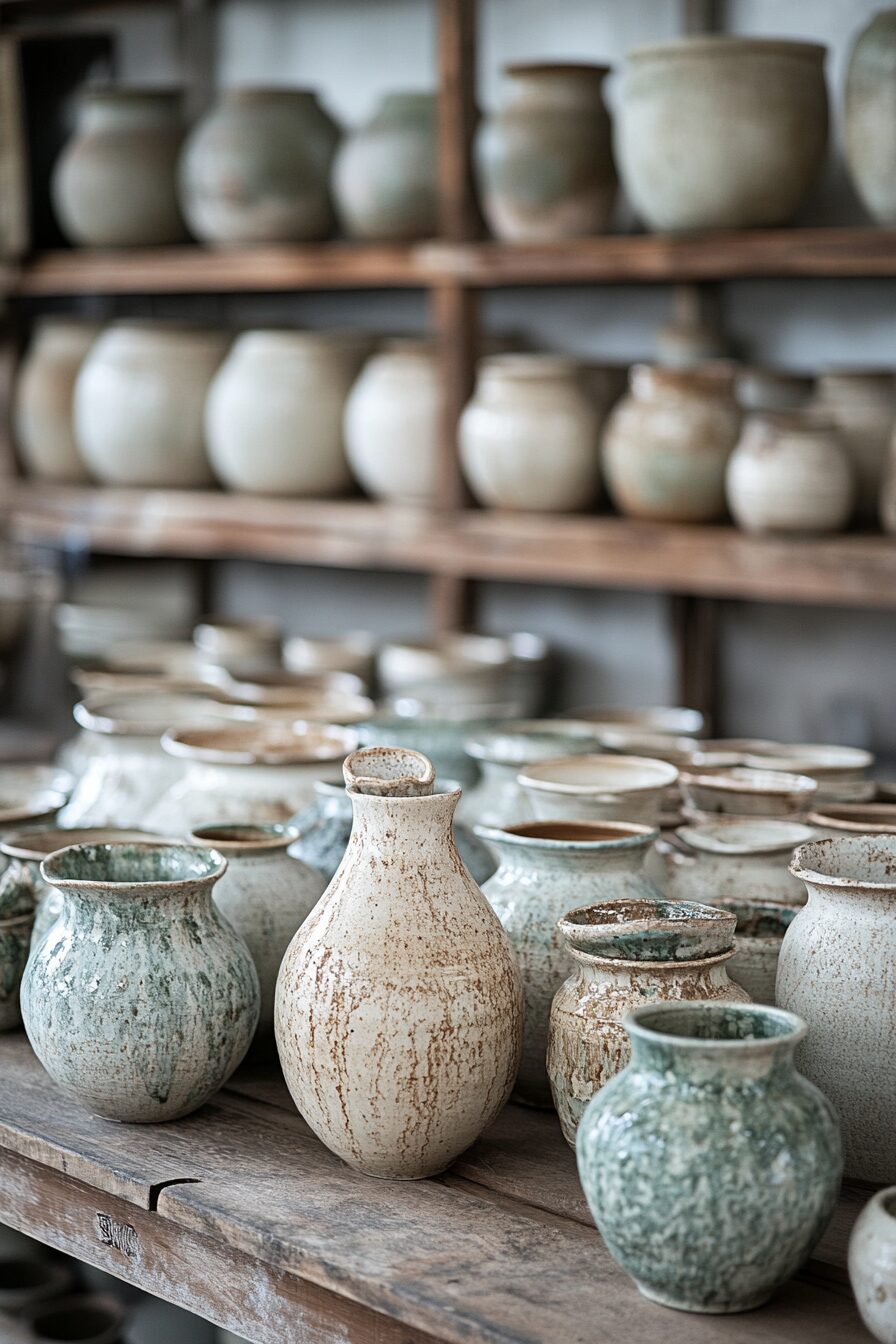
Potter’s Marks ceramics celebrate the slight variations and imprints left by the artist’s hands. These Wabi Sabi pieces bring warmth and authenticity to interiors.
🌟 Steal This Look
- Paint Color: PPG Agreeable Gray PPG1021-2
- Furniture: reclaimed wood open shelving units with natural edge boards
- Lighting: soft natural window light with warm LED track lighting
- Materials: raw wood shelving, handmade ceramics with natural glazes, weathered pottery surfaces
There’s something deeply satisfying about running your fingers along the rim of a handmade bowl and feeling the gentle ridges left by the potter’s hands. These imperfect marks transform functional pottery into soulful art pieces.
27. Woodfire Whispers
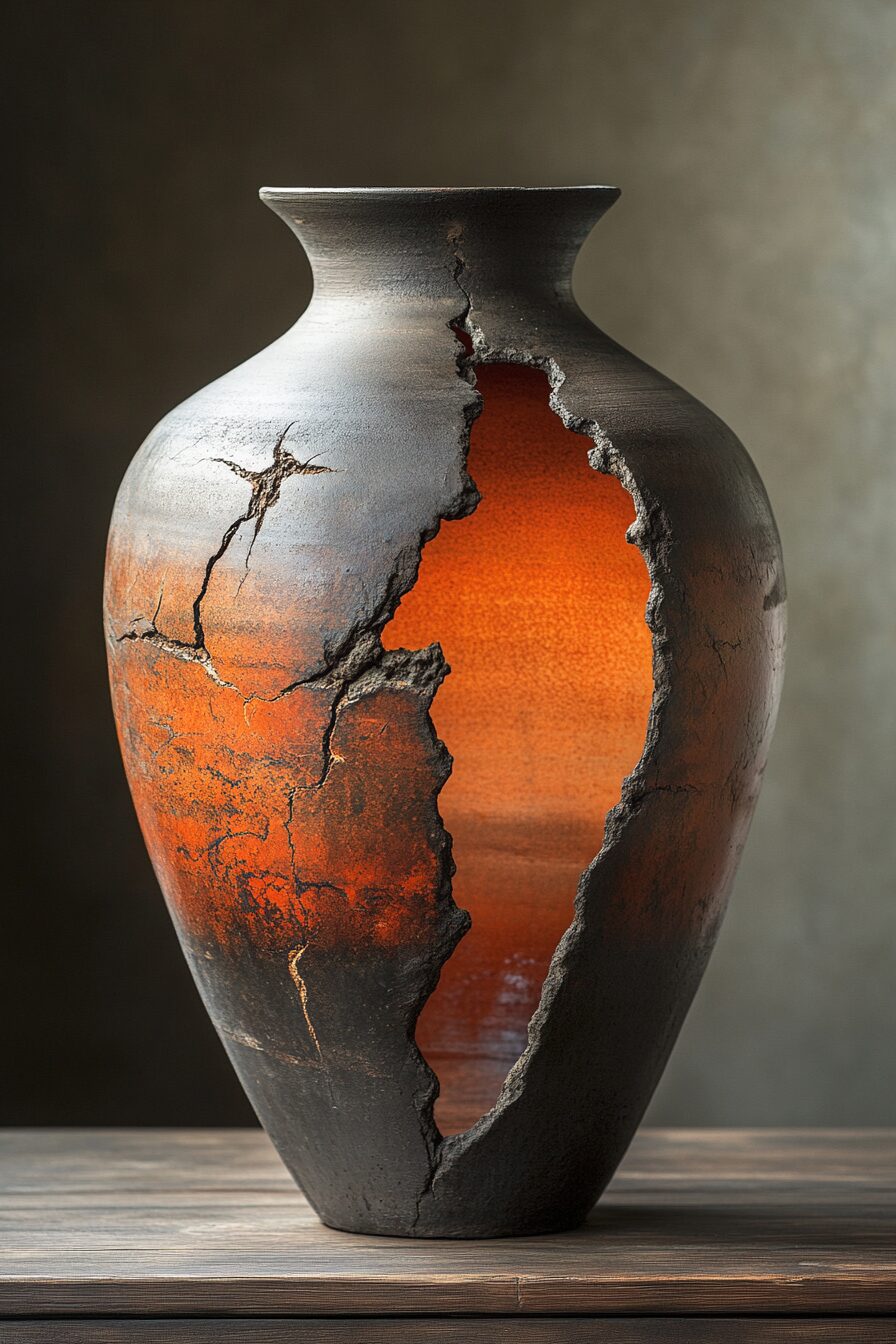
Woodfire Whispers ceramics feature natural ash deposits and flame patterns from traditional wood firing. These one-of-a-kind Wabi Sabi pieces connect your space to the elements.
🏠 Steal This Look
- Paint Color: Dunn-Edwards Elephant Walk DE6392 to match the warm gray-brown background tones
- Furniture: reclaimed wood console table with natural edge details
- Lighting: adjustable track lighting with warm LED spotlights
- Materials: natural ash glazed ceramics, raw wood surfaces, weathered metal accents
This dramatic cracked vessel perfectly embodies wabi sabi’s celebration of imperfection, where the orange interior glow suggests the very fire that shaped it.
28. Diverse Harmony
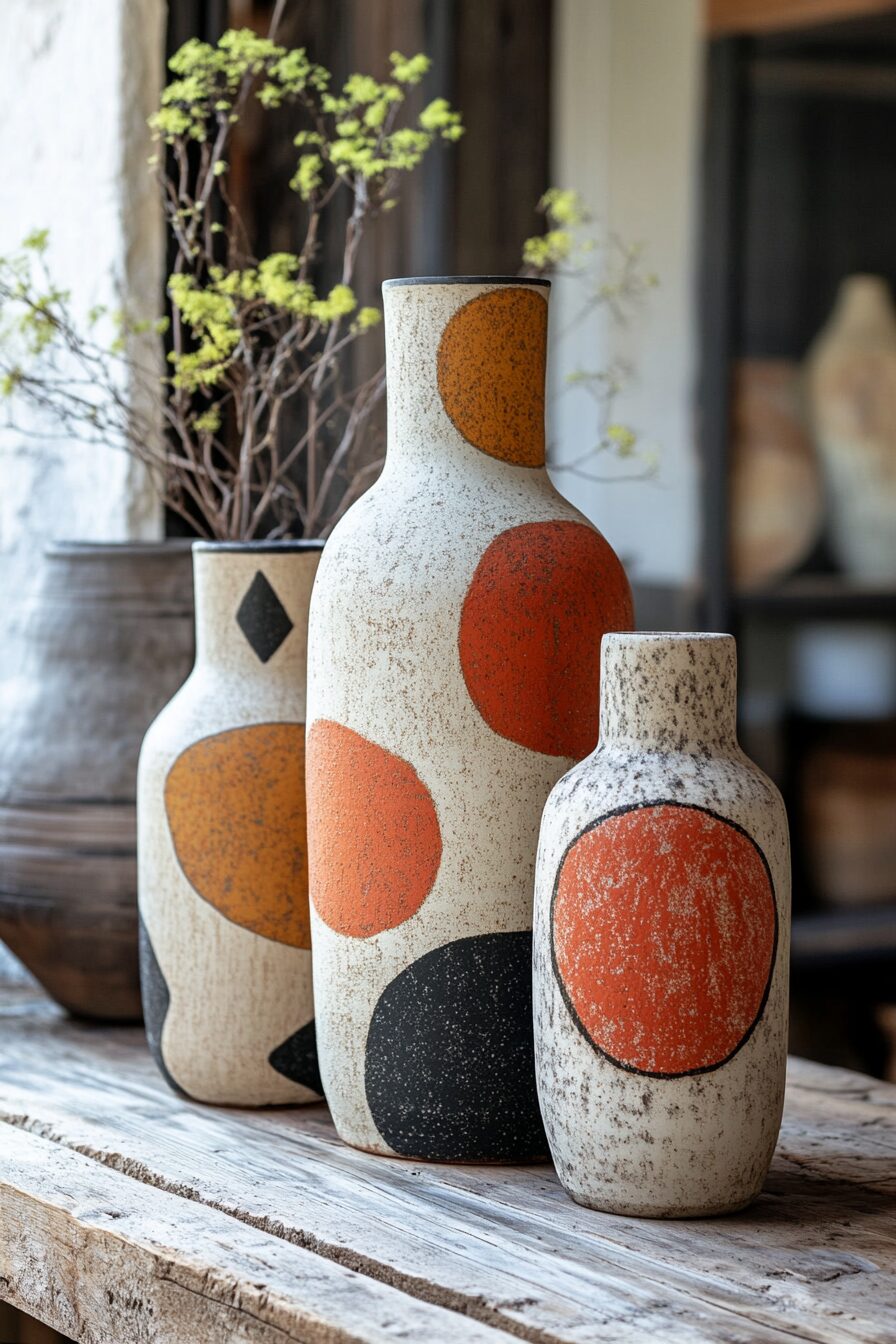
Diverse Harmony ceramics celebrate mix-and-match arrangements that reflect individuality and creativity. These eclectic Wabi Sabi pieces bring a relaxed, informal charm to interiors.
💡 Steal This Look
- Paint Color: Clare Paint Current Mood W12 – matches the soft warm neutral walls visible behind the ceramic display
- Furniture: reclaimed wood console table with weathered finish for displaying ceramic collections
- Lighting: soft diffused natural light from large windows or glass doors
- Materials: speckled ceramic finishes, weathered wood surfaces, and natural fiber textures
There’s something deeply satisfying about curating a collection that tells a story through imperfection – these speckled, hand-thrown pieces with their rust and terracotta circles feel like treasured finds from different pottery studios.
29. Timeless Pieces
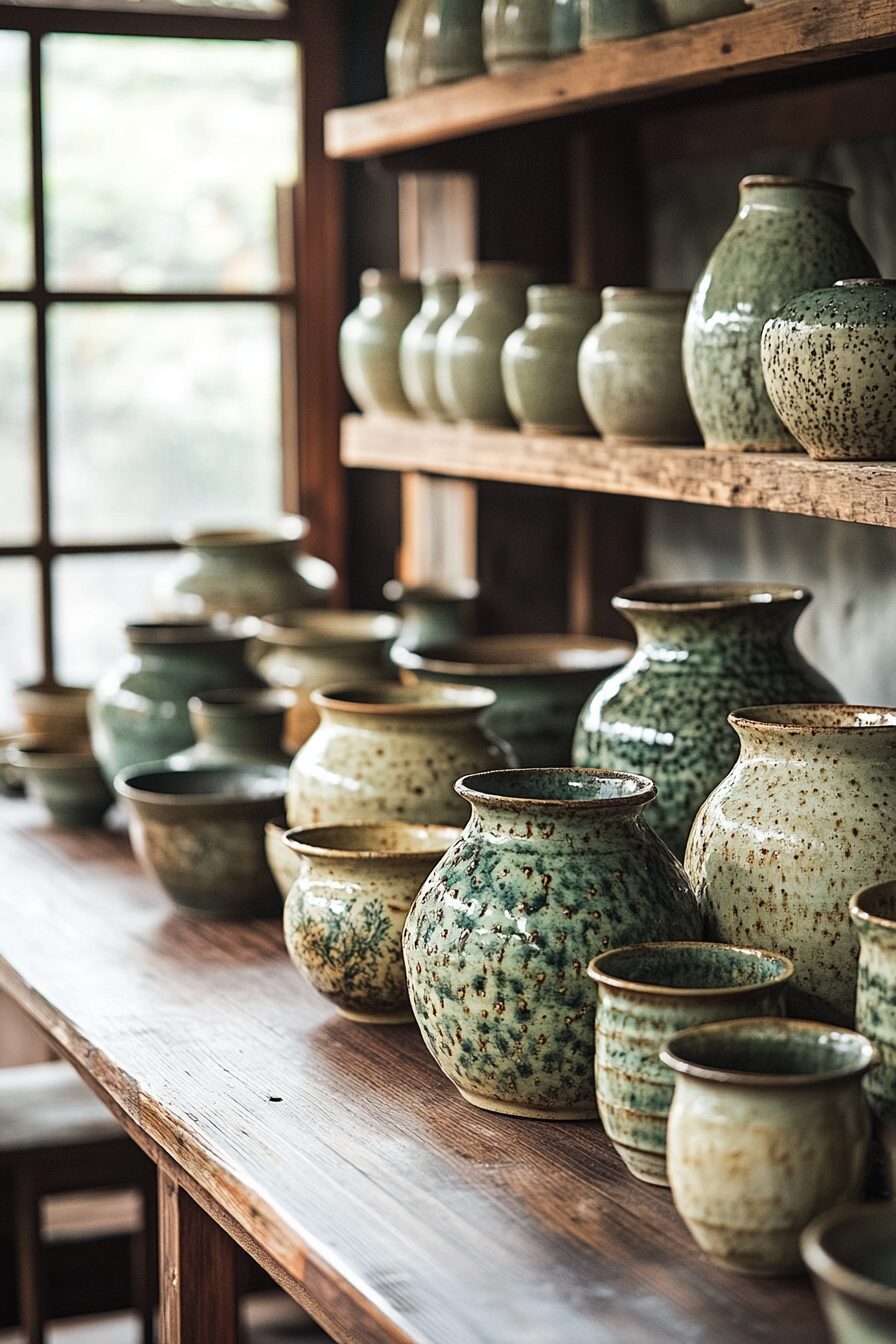
Timeless Pieces ceramics highlight vintage charm and decades of use, showcasing crackled glazes and weathered finishes. These Wabi Sabi designs bridge past and present in a meaningful way.
🖼 Steal This Look
- Paint Color: Fine Paints of Europe Sage Green SG-15 to complement the muted green ceramic tones visible throughout the collection
- Furniture: Raw wood floating shelves and rustic wooden display tables with visible grain and imperfections
- Lighting: Soft natural window light supplemented by warm Edison bulb pendant fixtures
- Materials: Reclaimed wood shelving, handthrown ceramics with crackled glazes, and weathered pottery finishes
There’s something deeply satisfying about collecting ceramics that tell stories through their weathered surfaces and time-worn glazes. Each piece becomes a meditation on beauty found in imperfection and the passage of time.
Conclusion
These 29 wabi sabi ceramics offer the perfect inspiration for creating a peaceful and authentic home design. Embracing the beauty of imperfection and natural simplicity, these ceramics bring a sense of calm and groundedness to any space. Whether used as decorative pieces, functional tableware, or artistic accents, wabi sabi ceramics embody timeless elegance and a connection to nature. Let these unique and thoughtful designs inspire you to curate a home that celebrates authenticity, harmony, and the quiet beauty of imperfection.


